This post contains affiliate links. As an Amazon Associate I earn from qualifying purchases.
I still remember the first time my grandmother made me fettuccine alfredo from scratch. I was eight years old, standing on a wooden stool in her Syracuse kitchen, watching her transform cream, butter, and cheese into pure magic. Today, I’m sharing that same joy—but faster, easier, and loaded with vegetables your whole family will actually eat. This chicken vegetable fettuccine alfredo comes together in just 30 minutes, and I promise you’ll feel like a restaurant chef. Ready in 30 minutes. One pan. Pure comfort. If you’re looking for other quick weeknight dinners, check out my beef and macaroni soup recipe for another family favorite.
Easy Chicken Vegetable Fettuccine Alfredo Recipe (Ready in 30 Minutes!)
This is the recipe I return to again and again when I need something elegant but simple. The secret? Fresh vegetables cut into ribbons that cook in minutes, perfectly seasoned chicken breast that stays juicy, and a silky alfredo sauce that tastes like you’ve been cooking all day. I promise this will become your go-to weeknight dinner.
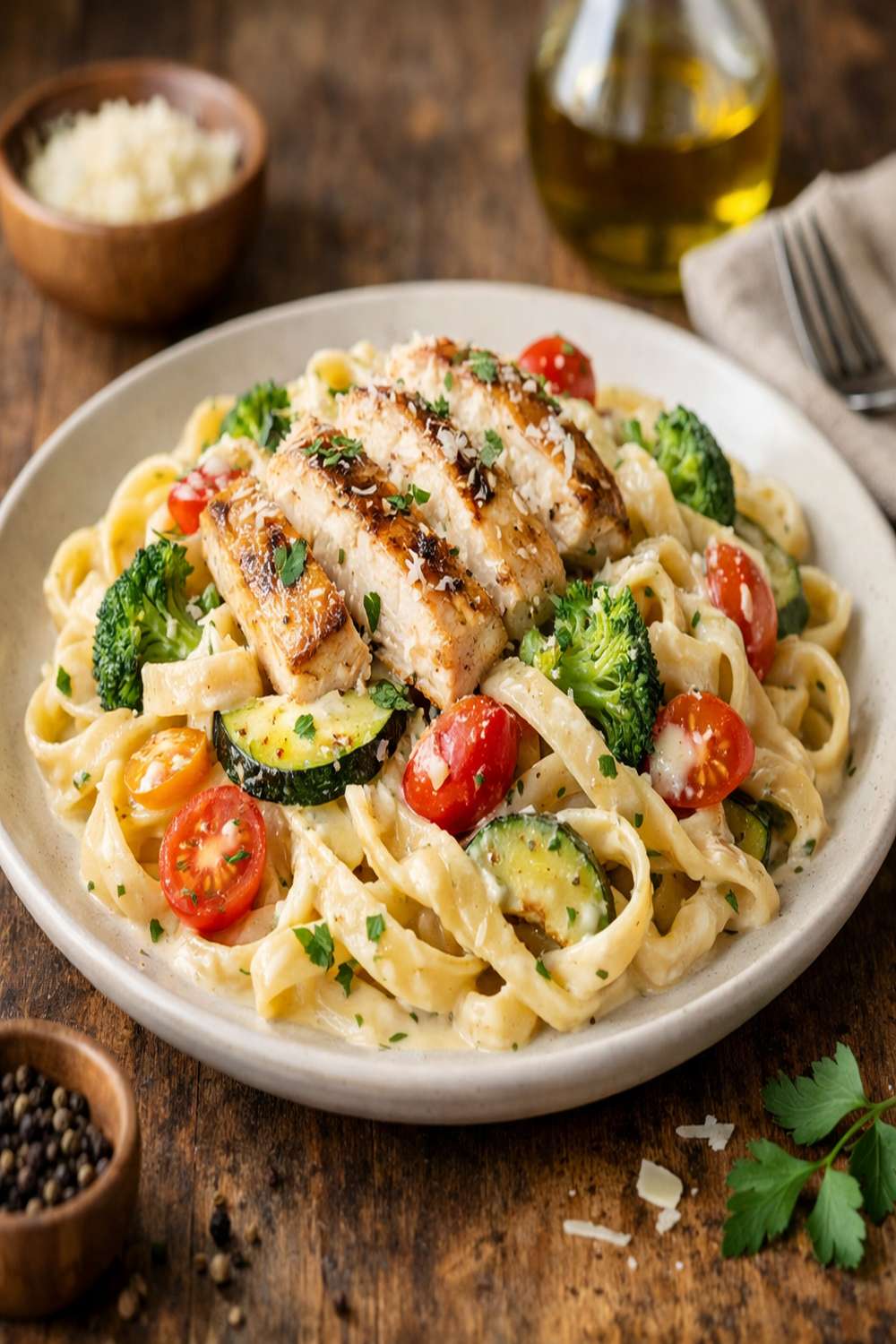
Why You’ll Love This Recipe
- Ready in 30 minutes flat – from pantry to table in under half an hour, perfect for busy weeknights when you need dinner fast
- Only 8 core ingredients – no fancy equipment or hard-to-find items, just simple staples you probably already have
- Loaded with hidden vegetables – bell peppers, zucchini, and fresh tomatoes sneak in nutrition without anyone complaining
- Endlessly customizable – swap vegetables by season, use different proteins, or adjust the cream ratio to your preference
- Restaurant-quality results at home – the silky alfredo sauce tastes like it took hours, but truly takes minutes
What You Need
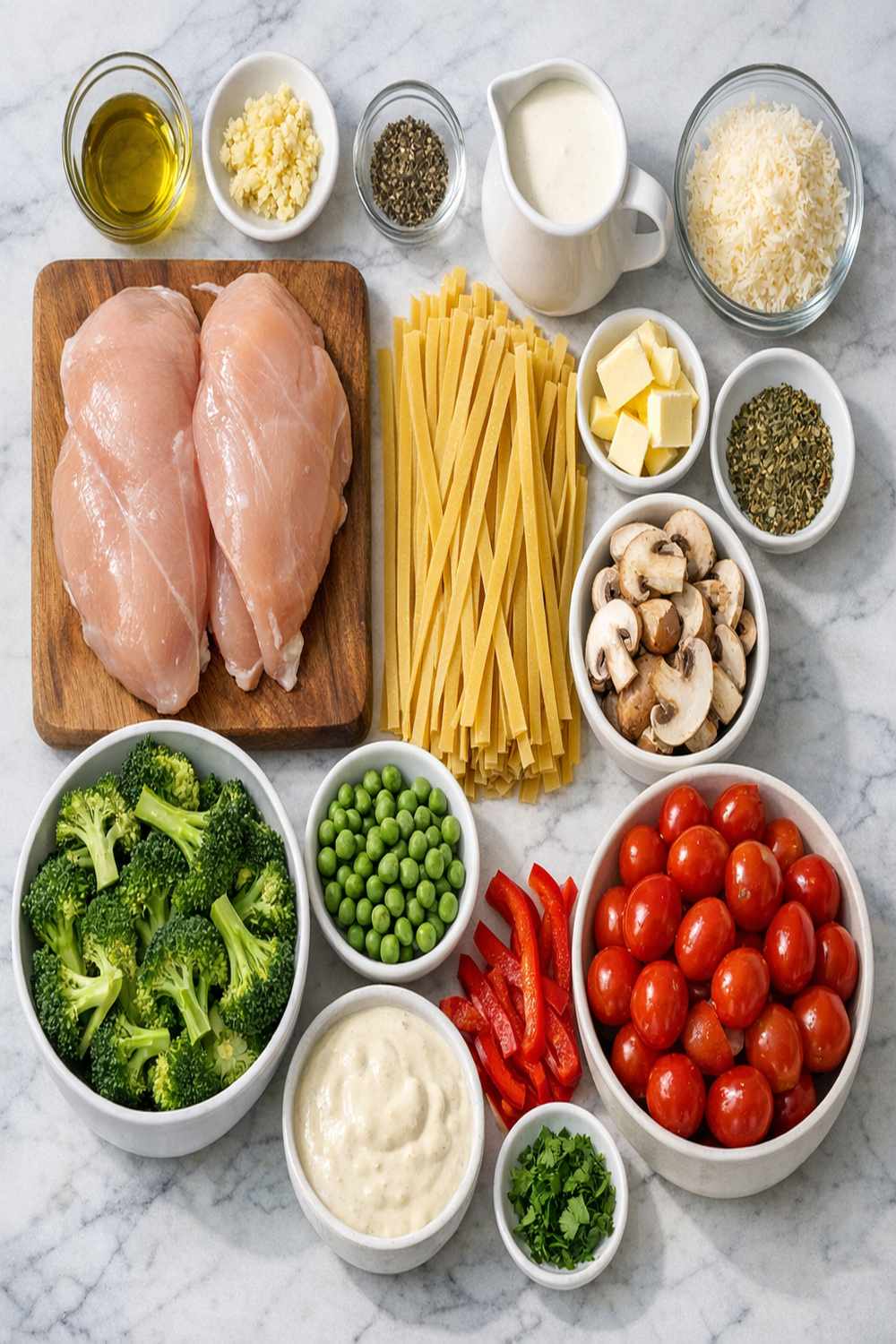
Just 15 simple ingredients, organized by component so you can prep like a pro:
For the Pasta Base
- ½ pound fettuccine noodles (fresh or dried, your choice)
- 2 tablespoons unsalted butter (for tossing warm pasta)
- 1 teaspoon dried garlic flakes (optional but recommended)
- 1 teaspoon dried onion flakes (optional but adds depth)
- Fresh parsley for garnish (about 2 tablespoons, chopped)
For the Chicken
- 2 boneless, skinless chicken breasts (about 6-8 ounces each, pounded to even thickness)
- Salt and freshly ground black pepper (to taste)
For the Rainbow Vegetables
- 1 green bell pepper (cut into thin strips)
- 1 red bell pepper (cut into thin strips)
- 1 yellow bell pepper (cut into thin strips)
- 1 medium zucchini (seeded and cut into thin strips like matchsticks)
- ¼ cup filtered water (for steaming vegetables)
- 2 fresh vine-ripened tomatoes (diced into small chunks)
For the Silky Alfredo Sauce
- 3 tablespoons unsalted butter (for the sauce base)
- 2 tablespoons extra-virgin olive oil (adds richness)
- 2-3 fresh garlic cloves (minced finely, not jarred)
- 2 cups heavy cream (full-fat, not half-and-half)
- ½ to 1 cup freshly grated Parmigiano-Reggiano cheese (never pre-shredded)
- ¼ teaspoon ground white pepper (adjust to your taste)
- 1 cup whole milk mozzarella or Italian blend cheese (shredded fresh)
- 1 tablespoon fresh parsley (chopped finely)
- Salt to taste (add at the end)
Makes 4 generous servings with room for seconds or a light lunch the next day.
How to Make Chicken Vegetable Fettuccine Alfredo in 6 Simple Steps
Here’s exactly how to turn these ingredients into magic:
Step 1: Start Your Pasta Water and Season It Right
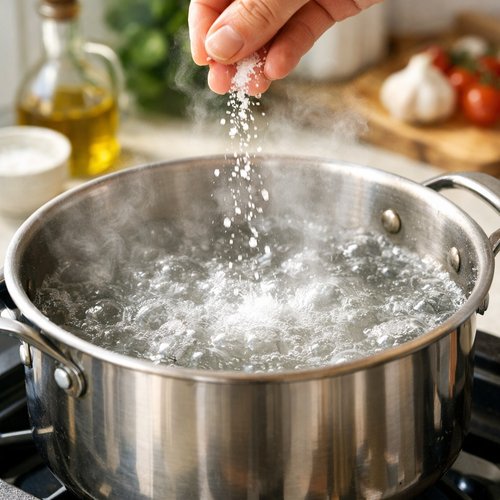
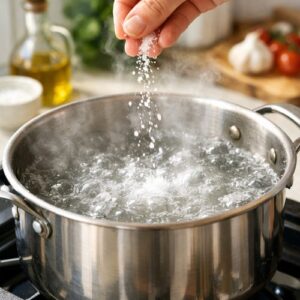
Fill a large pot with 6-8 cups of filtered water and bring it to a rolling boil. This takes about 5-7 minutes. While you’re waiting, add a generous pinch of salt (about 1 teaspoon), your dried garlic flakes, and onion flakes to the pot. This seasons the pasta from the inside out—a trick I learned from my grandmother that makes all the difference. The water should taste like a light sea.
Step 2: Cook the Fettuccine to Perfect Al Dente
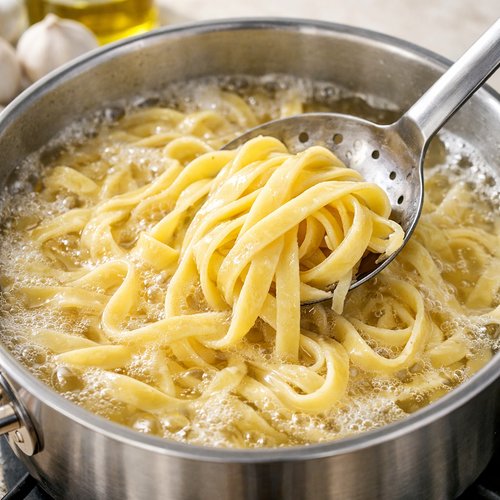
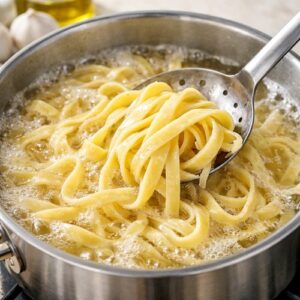
Add your fettuccine noodles to the boiling seasoned water and cook for 8-10 minutes, stirring occasionally so they don’t stick together. Fresh pasta cooks faster (about 3-4 minutes), while dried takes the full 10. The goal is tender but still slightly firm when you bite it—never mushy. About 2 minutes before the pasta finishes, reserve 1 cup of starchy pasta water in a separate bowl. This liquid gold will help adjust your sauce consistency later.
Step 3: Prepare Your Vegetables While Pasta Cooks
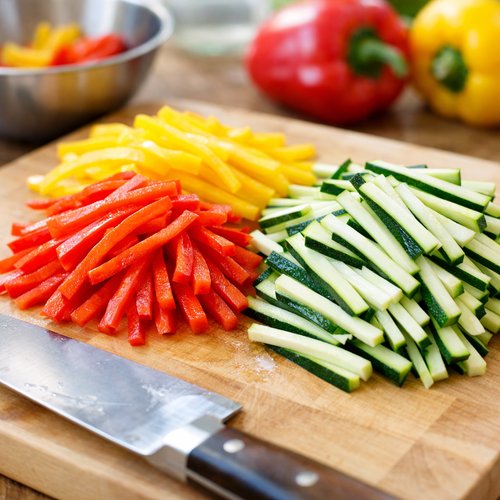
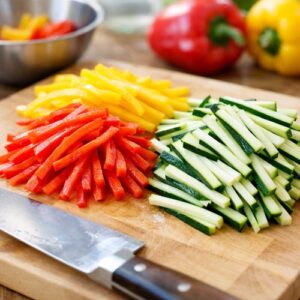
Slice your bell peppers and zucchini into thin, uniform strips while the pasta water comes to a boil. Think matchsticks or thin ribbons—the more consistent the size, the more evenly they’ll cook. Dice your fresh tomatoes into small chunks and set them aside. As a registered dietitian, I always say: prep your vegetables first and everything else falls into place. This is when the magic of mise en place—everything in its place—transforms your cooking from chaotic to calm.
Step 4: Cook the Chicken Until Golden and Juicy
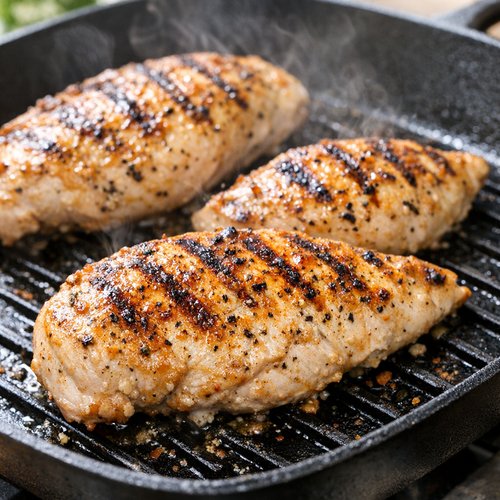
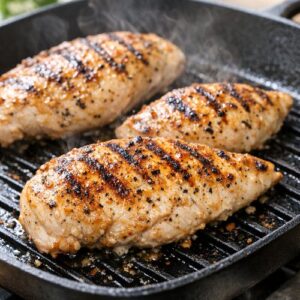
Heat a grill pan or skillet over medium-high heat and add a light coating of cooking oil. Pat your chicken breasts dry with paper towels and season generously on both sides with salt and pepper. Place them in the hot pan and cook for 6-7 minutes per side, or until the internal temperature reaches 165°F. The breasts should be golden brown with a slight crust. Once cooked, transfer them to a cutting board and let them rest for 3 minutes—this keeps them juicy and tender.
Step 5: Quickly Steam the Vegetables Until Just Tender
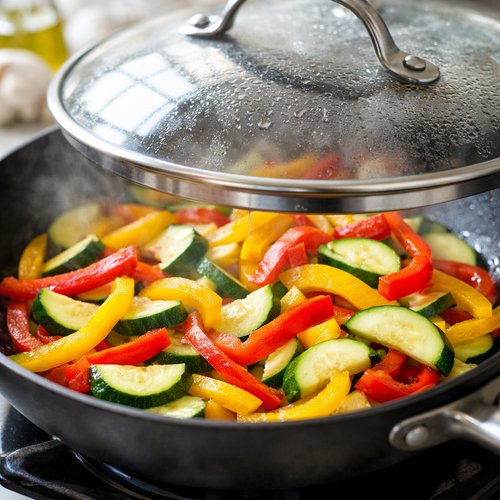
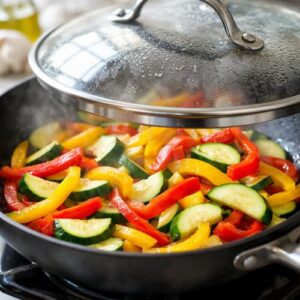
In a large skillet, bring ¼ cup of water to a gentle simmer over medium heat. Add all your sliced peppers and zucchini to the pan. Cover and cook for 3-4 minutes, stirring once halfway through. You want them tender-crisp, still with a little bite to them—not soft or mushy. Add a small pinch of salt. When they’re done, drain any excess water and set the vegetables aside on a clean plate. They’ll keep their beautiful color and snap this way.
Step 6: Make Your Silky Alfredo Sauce (The Star of the Show)
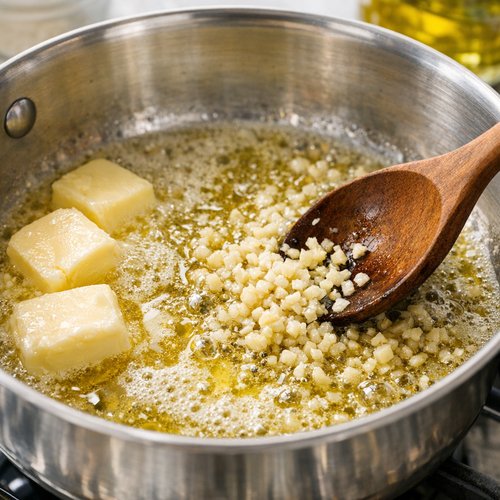
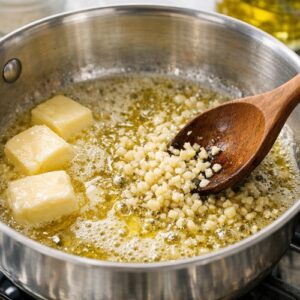
In a medium saucepan, melt 3 tablespoons of butter with 2 tablespoons of olive oil over medium heat. Add your minced fresh garlic and cook for about 30 seconds until fragrant—don’t let it brown or it turns bitter. Slowly pour in your 2 cups of heavy cream, stirring constantly. Add 1 tablespoon of fresh parsley and ¼ teaspoon of white pepper. Let this simmer gently for about 8 minutes, stirring frequently, until the mixture thickens slightly. Then remove the pan from heat and stir in your freshly grated Parmigiano-Reggiano cheese and mozzarella cheese, stirring until completely melted and smooth. The sauce will continue to thicken as it cools. Taste and adjust salt as needed. If it’s too thick, thin it with a splash of reserved pasta water.
Step 7: Bring It All Together
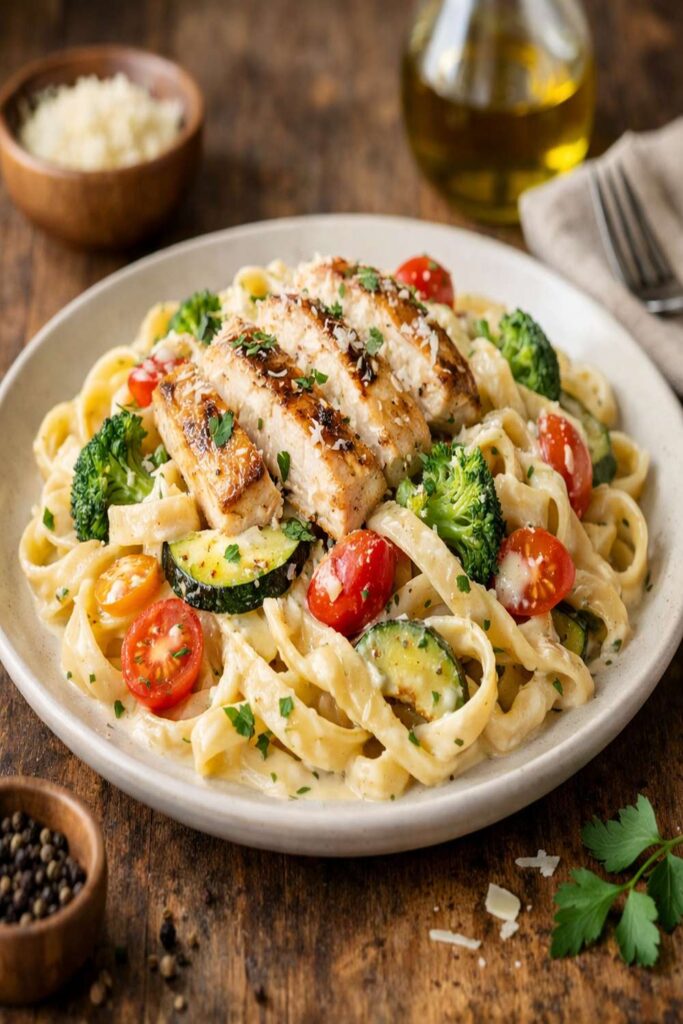
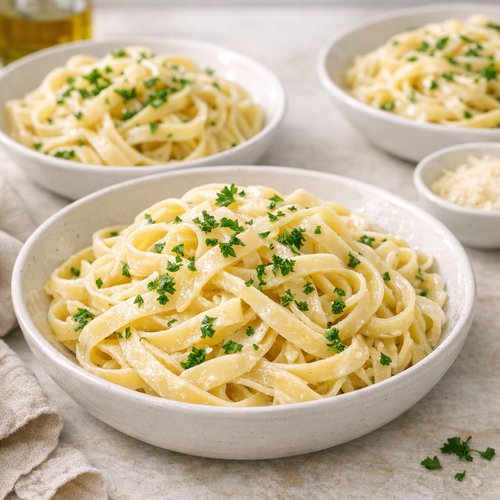
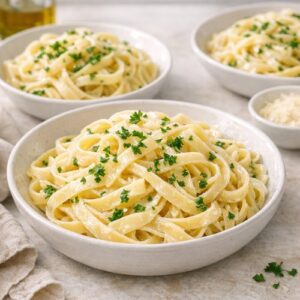
Drain your cooked fettuccine and toss it with 2 tablespoons of butter and fresh parsley. Divide the buttered noodles among four shallow bowls or plates. Pour the warm alfredo sauce generously over the pasta. Slice each chicken breast into strips and arrange on top of the sauce. Add your steamed vegetables in a colorful pile, then top everything with your fresh diced tomatoes. Finish with a small handful of shredded mozzarella and a sprinkle of fresh parsley. Serve immediately while the sauce is still warm and silky.
5 Ways to Customize This Recipe
- Make it vegetarian – skip the chicken entirely and add 1½ cups of sautéed mushrooms (cremini, shiitake, or mixed varieties) for hearty, meaty texture and umami depth
- Go lighter with cream – replace 1 cup of heavy cream with 1 cup of whole milk or even chicken broth for a less rich sauce without sacrificing flavor
- Add protein variety – use shrimp (cook for 2-3 minutes per side), diced turkey breast, or pan-seared scallops instead of chicken for different flavors
- Incorporate sun-dried tomatoes – add ½ cup of oil-packed sun-dried tomatoes (chopped) to the sauce for concentrated tomato flavor and slight tang
- Make it spicy – add ¼ teaspoon of red pepper flakes to the garlic when it’s cooking, or swirl in 1 tablespoon of hot sauce into the finished sauce
Seasonal Variations You’ll Love
One of my favorite things about this recipe is how beautifully it adapts throughout the year. In spring, replace the bell peppers with fresh asparagus spears and add fresh peas—they’re tender and cook in the same 3-4 minutes. Summer is your time to shine with heirloom tomatoes and fresh corn kernels (add them during the last minute of cooking). Fall calls for roasted butternut squash cubes and crispy sage leaves stirred into the sauce. Winter is perfect for this exact recipe, but you can also swap zucchini for thinly sliced Brussels sprouts or broccoli florets. I always say that seasonal eating keeps you connected to nature’s rhythm and what your body actually needs at that moment.
Make It Ahead and Meal Prep Tips
- Prep your vegetables the night before – wash, slice, and store your peppers and zucchini in airtight containers in the refrigerator for up to 2 days. This saves you 10 minutes of active cooking time on busy evenings
- Cook chicken breasts in bulk – make 4-6 chicken breasts on Sunday and refrigerate them in an airtight container for up to 4 days. Reheat gently in a skillet with a splash of water before serving
- Make the alfredo sauce ahead – prepare the sauce up to 2 days in advance and store it in an airtight container in the refrigerator. Reheat gently in a saucepan over low heat, stirring frequently and adding a splash of milk if it’s too thick
- Don’t cook the pasta early – pasta gets starchy and sticks together when made ahead. Always cook it fresh, right before serving. It takes only 10 minutes anyway!
Common Mistakes to Avoid
After years of cooking and teaching people in my community, I’ve noticed a few patterns that trip people up:
- Using pre-shredded cheese in the sauce – it contains anti-caking agents that make your sauce grainy and prevent melting smoothly. Always grate fresh cheese from a block. Your sauce will be silky, I promise
- Overcooking the vegetables – people worry they’re undercooked and keep cooking until they’re mushy. Remember, they’ll continue cooking slightly from residual heat. Stop when they still have a tiny bit of snap
- Not seasoning your pasta water – this is how chefs build flavor from the ground up. Seasoned pasta water makes every bite taste intentional and delicious
- Adding cold cream directly to the roux – this can cause lumps. Always heat your cream slightly or add it very slowly while whisking constantly to prevent breaking the sauce
Expert’s Nutritional Insight
As a registered dietitian, I get asked all the time about the “healthiness” of alfredo. Here’s my honest take: this dish is naturally nutrient-dense. The fresh vegetables provide fiber, vitamins A and C, and potassium. The chicken breast is an excellent lean protein at about 26 grams per 3-ounce serving. The cheese and cream do contain saturated fat, yes—but they also provide fat-soluble vitamins like vitamin A and vitamin K, plus calcium for bone health. The key is portion control and balance. I recommend pairing this with a simple green salad dressed in lemon vinaigrette to add lightness and additional phytonutrients. When you eat whole, real ingredients prepared with care, your body knows what to do with them.
Quick Substitutions
- Heavy cream -> use half-and-half plus 2 tablespoons of cornstarch mixed with a little water to thicken, or use full-fat Greek yogurt stirred in at the end (skip the extra cooking)
- Parmigiano-Reggiano cheese -> use Pecorino Romano for sharper flavor, or Asiago for a slightly nutty taste
- Fresh garlic cloves -> use ¾ teaspoon of garlic powder if fresh isn’t available, but fresh really does taste better here
- Bell peppers -> use thinly sliced mushrooms, snap peas, or broccoli florets for a different vegetable profile
- Fettuccine noodles -> linguine, pappardelle, or even angel hair pasta work beautifully with this sauce
How to Store and Reheat
Refrigerator: This dish keeps for 3-4 days in an airtight container. Freezer: The sauce alone freezes beautifully for up to 3 months, though I recommend not freezing the cooked pasta or vegetables as they become soft when thawed. To reheat: If reheating the entire dish, place it in a skillet over medium-low heat, stirring gently and adding a splash of milk or pasta water to loosen the sauce. Microwave works too—cover and heat in 30-second intervals, stirring between each one. The goal is warming gently so the sauce stays creamy rather than breaking. Fresh pasta tastes best enjoyed the day it’s made, but this reheats better than you’d expect.
Nutrition at a Glance
Per serving (based on 4 servings): 680 calories, 38 grams total fat, 45 grams carbohydrates, 5 grams dietary fiber, 42 grams protein, 22 milligrams cholesterol, and 520 milligrams sodium. This analysis is based on USDA FoodData Central using standard ingredient portions. The protein content comes primarily from the chicken breast and cheese, making this a satisfying main course that keeps you full. The vegetables contribute fiber and micronutrients like vitamin C, potassium, and folate. If you’re watching sodium intake, use low-sodium broth instead of salted water for cooking pasta, and taste before adding additional salt to the sauce.
Serve It With
This creamy, rich pasta is perfect with something bright and acidic to balance it. I always serve mine with a simple arugula salad tossed in fresh lemon juice and olive oil—the peppery greens and bright citrus cut through the richness beautifully. A crispy garlic bread made from day-old Italian bread toasted with butter and fresh herbs is wonderful for soaking up extra sauce. For a lighter pairing, a simple tomato salad with fresh basil works magic. If you’re looking for a heartier meal, check out my beefsteak tomato sauce recipe for a complementary tomato-based option to round out your meal planning.
- Mixed green salad with lemon vinaigrette – bright, acidic, and cuts through the richness of the cream sauce
- Garlic bread from crusty Italian loaf – perfect for soaking up any extra sauce on your plate
- Simple tomato and basil salad – fresh summer flavors that balance the indulgent pasta
- Steamed broccoli with lemon – adds more vegetables and light brightness to the plate
- Roasted asparagus with parmesan – elegant addition that feels restaurant-quality

Chicken Vegetable Fettuccine Alfredo Recipe
Ingredients
Method
- Fill a large pot with 6-8 cups of filtered water and bring it to a rolling boil. This takes about 5-7 minutes. While you're waiting, add a generous pinch of salt (about 1 teaspoon), your dried garlic flakes, and onion flakes to the pot. This seasons the pasta from the inside out—a trick I learned from my grandmother that makes all the difference. The water should taste like a light sea.
- Add your fettuccine noodles to the boiling seasoned water and cook for 8-10 minutes, stirring occasionally so they don't stick together. Fresh pasta cooks faster (about 3-4 minutes), while dried takes the full 10. The goal is tender but still slightly firm when you bite it—never mushy. About 2 minutes before the pasta finishes, reserve 1 cup of starchy pasta water in a separate bowl. This liquid gold will help adjust your sauce consistency later.
- Slice your bell peppers and zucchini into thin, uniform strips while the pasta water comes to a boil. Think matchsticks or thin ribbons—the more consistent the size, the more evenly they'll cook. Dice your fresh tomatoes into small chunks and set them aside. As a registered dietitian, I always say: prep your vegetables first and everything else falls into place. This is when the magic of mise en place—everything in its place—transforms your cooking from chaotic to calm.
- Heat a grill pan or skillet over medium-high heat and add a light coating of cooking oil. Pat your chicken breasts dry with paper towels and season generously on both sides with salt and pepper. Place them in the hot pan and cook for 6-7 minutes per side, or until the internal temperature reaches 165°F. The breasts should be golden brown with a slight crust. Once cooked, transfer them to a cutting board and let them rest for 3 minutes—this keeps them juicy and tender.
- In a large skillet, bring ¼ cup of water to a gentle simmer over medium heat. Add all your sliced peppers and zucchini to the pan. Cover and cook for 3-4 minutes, stirring once halfway through. You want them tender-crisp, still with a little bite to them—not soft or mushy. Add a small pinch of salt. When they're done, drain any excess water and set the vegetables aside on a clean plate. They'll keep their beautiful color and snap this way.
- In a medium saucepan, melt 3 tablespoons of butter with 2 tablespoons of olive oil over medium heat. Add your minced fresh garlic and cook for about 30 seconds until fragrant—don't let it brown or it turns bitter. Slowly pour in your 2 cups of heavy cream, stirring constantly. Add 1 tablespoon of fresh parsley and ¼ teaspoon of white pepper. Let this simmer gently for about 8 minutes, stirring frequently, until the mixture thickens slightly. Then remove the pan from heat and stir in your freshly grated Parmigiano-Reggiano cheese and mozzarella cheese, stirring until completely melted and smooth. The sauce will continue to thicken as it cools. Taste and adjust salt as needed. If it's too thick, thin it with a splash of reserved pasta water.
- Drain your cooked fettuccine and toss it with 2 tablespoons of butter and fresh parsley. Divide the buttered noodles among four shallow bowls or plates. Pour the warm alfredo sauce generously over the pasta. Slice each chicken breast into strips and arrange on top of the sauce. Add your steamed vegetables in a colorful pile, then top everything with your fresh diced tomatoes. Finish with a small handful of shredded mozzarella and a sprinkle of fresh parsley. Serve immediately while the sauce is still warm and silky.
Notes
FAQs
Can I make this with store-bought rotisserie chicken?
Absolutely! Shred or dice about 2 cups of rotisserie chicken meat and warm it gently in a skillet before adding it to the finished dish. This saves you about 10 minutes and the flavor is still delicious. Just skip the salt and pepper seasoning since rotisserie chicken is already seasoned.
What’s the difference between cooking fresh versus dried fettuccine?
Fresh pasta (usually found in the refrigerated section) cooks in 3-4 minutes and has a silkier, more tender texture. Dried pasta takes 8-10 minutes and has more of a “bite” to it. Both are delicious here—it’s really about what you prefer and what your grocery store has available. Fresh is slightly more delicate and absorbs sauce better, while dried holds its shape more firmly.
Can I use milk instead of heavy cream to make it lighter?
You can, but the sauce will be thinner and less silky. If you use all milk, mix 1 tablespoon of cornstarch with 2 tablespoons of cold water and stir it into the milk before cooking. This helps the sauce thicken properly. Alternatively, use a 1:1 ratio of milk to cream for a middle ground that’s lighter but still creamy.
Why does my alfredo sauce look grainy or broken?
This usually happens when the sauce gets too hot too fast, or when cold cream is added to hot butter without tempering. Always add cream slowly while whisking, keep heat at medium rather than high, and remove the pan from heat before adding cheese. If it does break, try whisking in 2-3 tablespoons of cold milk and removing from heat—sometimes this helps it come back together.
How do I prevent the chicken from drying out?
The three keys are: (1) pound the chicken breasts to even thickness so they cook uniformly, (2) don’t skip the rest period after cooking—let it rest for 3 minutes on the cutting board, and (3) slice against the grain, which makes it more tender. An instant-read meat thermometer is your friend here—cook to exactly 165°F internal temperature, not higher.
More Quick Recipes You’ll Love
- Beef and Macaroni Soup Recipe – a warming, hearty soup that’s equally quick and comforting
- this cozy soup – another 30-minute weeknight favorite with fresh vegetables
I hope you’ll try this recipe tonight. Honestly, it’s how I show people I love them—through food made with intention and care. The beauty of this dish is that it tastes fancy enough for company but comes together fast enough for a regular Tuesday. My grandmother would be so proud. Enjoy!