This post contains affiliate links. As an Amazon Associate I earn from qualifying purchases.
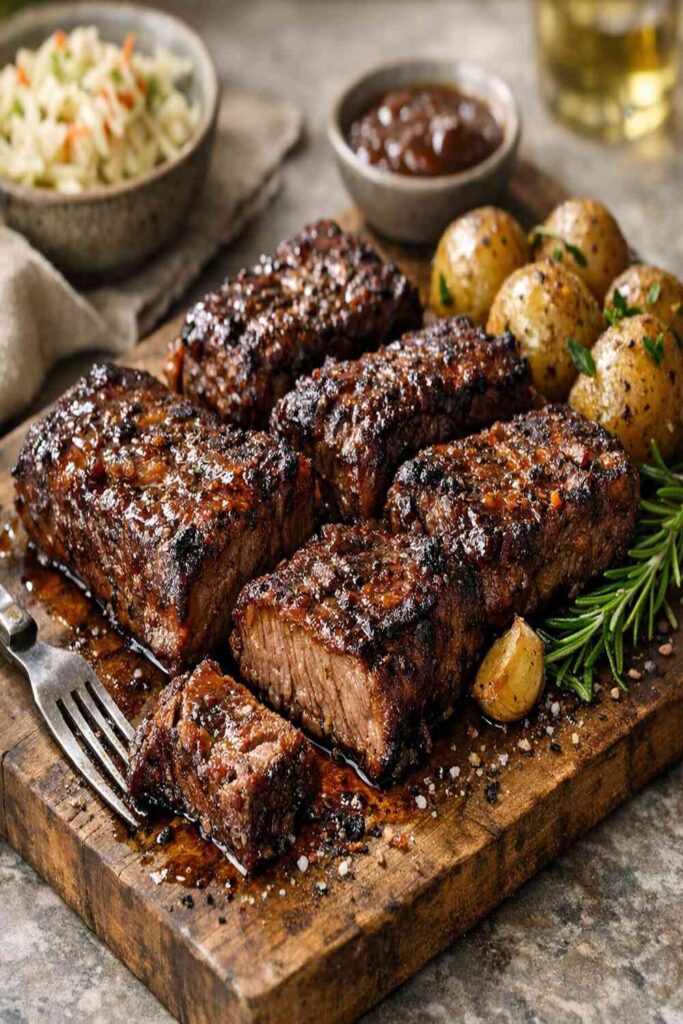
Picture this: it’s a cool autumn evening, the kitchen smells like caramelized meat and tangy BBQ sauce, and your guests keep peeking into the oven wondering when dinner will be ready. I’m standing at my stove right now, and honestly, this is my favorite kind of cooking—the kind that fills a home with warmth and anticipation.
Boneless beef ribs were something my grandmother made on Sunday afternoons when we’d gather around her table in Syracuse. She’d let them braise low and slow, and by the time we sat down, everyone was already smiling before they’d taken a single bite.
Today, I want to share how you can recreate that same magic in your own kitchen. Whether you’re feeding a crowd or planning an intimate dinner, these beef ribs deliver restaurant-quality results with less fuss than you’d imagine. Let me walk you through it—I can’t wait to cook with you!
Boneless Beef Ribs Oven Recipe: Tender, Saucy, and Showstopping
My first memory of really understanding food as something transformative happened in my grandmother’s kitchen on a gray November afternoon. She pulled a covered baking dish from her oven, and the aroma was so rich and inviting that my cousins actually paused their card game to come see what was happening.
When she lifted the lid, steam rose up in a cloud, and there they were—beef ribs so tender they practically melted. She’d been building flavor for hours with a simple spice rub and a sauce that balanced sweet, savory, and just a whisper of heat.
That day taught me that the best dishes don’t need to be complicated. They just need attention, good ingredients, and time. This recipe honors that lesson.
When to Make Boneless Beef Ribs Oven Recipe
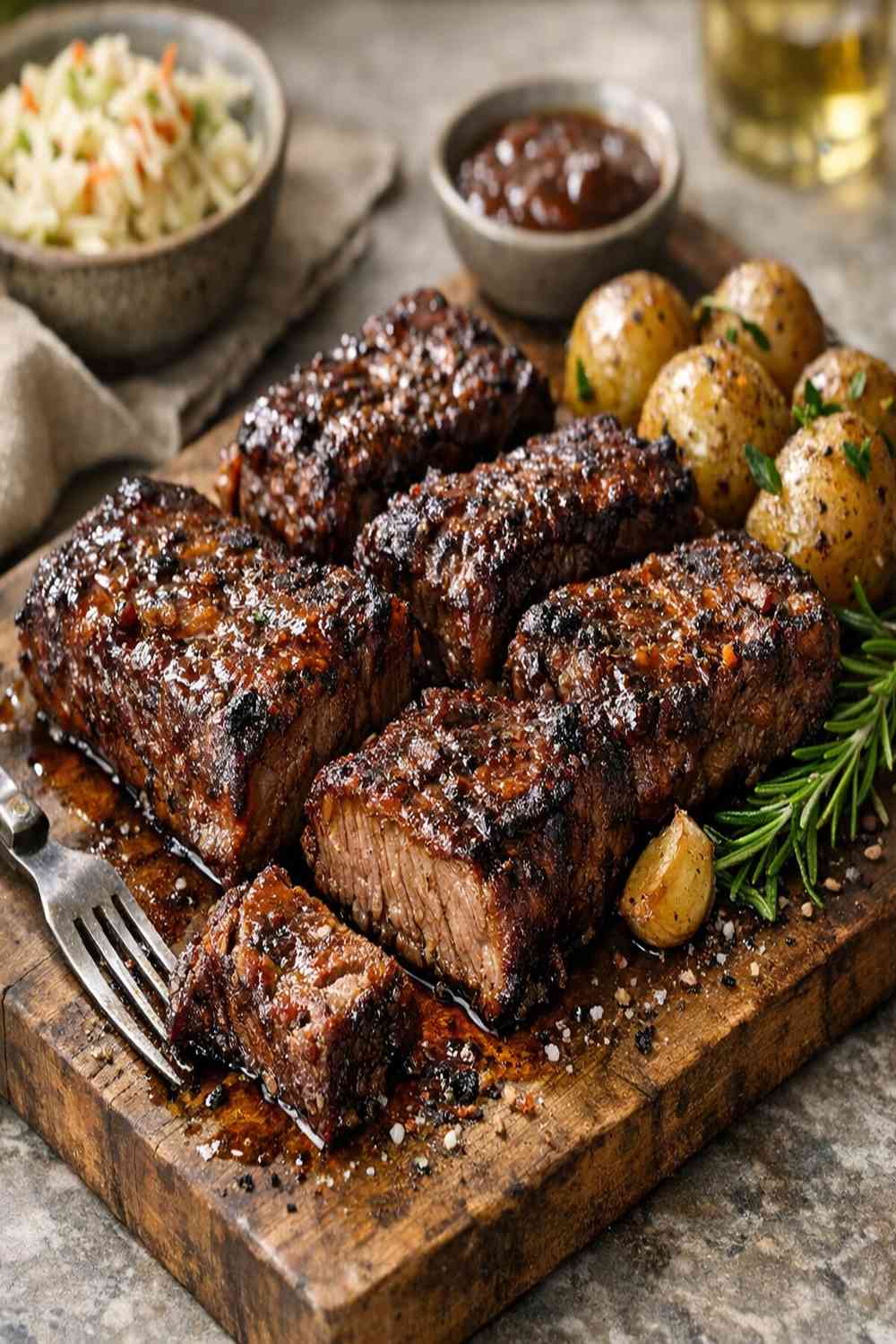
This is the kind of dish that makes people feel celebrated. It’s not weeknight casual—it’s “I’m so glad you’re here” cooking. The beauty of this recipe is that it fits so many moments in your life, and I want to help you see all the ways you can use it.
- Holiday gatherings and family celebrations – These ribs become the centerpiece that gives you back time. While they braise, you can set the table, prep sides, and actually enjoy your guests instead of being glued to the stove.
- Intimate dinner parties in fall and winter – The rich, deeply flavored sauce feels seasonally appropriate, and there’s something about serving meat this tender that makes guests feel special without being fussy.
- Sunday suppers and long, lazy afternoons – When you have time to let the oven do the work, these ribs shine. There’s minimal active cooking time, so you can relax, read, or spend time with loved ones while dinner develops its flavor.
- Meal prep for the week ahead – Make a full batch on Sunday, portion it out, and you’ve got impressive protein ready for lunches and dinners all week long.
What Makes This Boneless Beef Ribs Oven Recipe Special
Here’s what I’ve learned after years of working with families on real nutrition and real cooking: the best dishes are the ones that bring people together and nourish them both physically and emotionally. This recipe does both.
What elevates these ribs is the combination of a well-balanced dry rub that creates a flavorful crust and a complex BBQ sauce that’s built in layers—apple cider vinegar for brightness, brown sugar for depth, spices that work in harmony rather than competing for attention. The magic happens when you braise the ribs low and slow, which breaks down the connective tissue and renders the fat, creating meat that’s impossibly tender. Unlike ribs on the grill that can dry out if you’re not watching constantly, these stay moist and absorb all that sauce as they cook.
From a nutritional standpoint, beef ribs are a powerhouse. They’re rich in iron, zinc, and B vitamins—nutrients that truly matter for energy and wellness. The slow-cooking method preserves these nutrients while the acid in the apple cider vinegar actually helps your body absorb iron more efficiently.
Scaling for Your Crowd
One of my favorite parts of dietitian work is helping people cook for different occasions. These ribs scale beautifully, whether you’re cooking for two or twenty. Here’s how I adjust them:
- For 2-4 people (intimate dinner) – Use 2 to 3 ribs (about 600-900g). Keep the dry rub the same amount but use half the sauce. Reduce the liquid to 1 cup and bake covered at 325°F for 1.5 to 2 hours until fork-tender. This smaller batch still builds beautiful flavor.
- For 6-8 people (standard dinner party) – This is the full recipe as written. Use 6 ribs, the full dry rub, and all the sauce ingredients. Plan for 2.5 to 3 hours at 325°F. This comfortably feeds six generously with seconds for enthusiastic eaters.
- For 12-15 people (gathering or celebration) – Double the ribs to 12, use the same dry rub amount (it concentrates nicely), and prepare double the sauce. Use two large baking dishes and stagger them in the oven, rotating halfway through. You’ll need 3 to 3.5 hours. If your oven is small, bake one dish first, keep it warm loosely covered, then bake the second.
The Ingredients
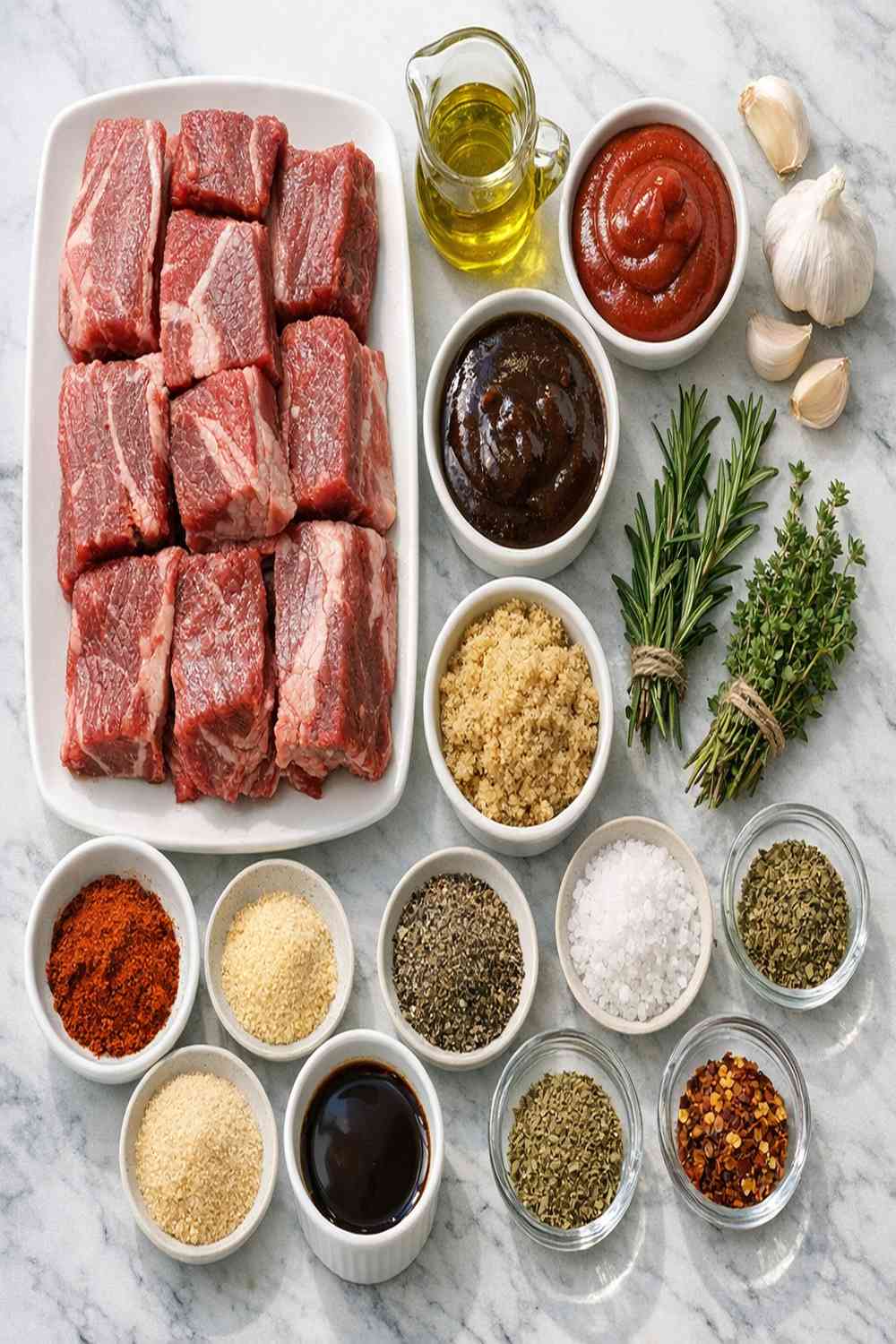
Here’s everything you need to create tender, memorable ribs that’ll have your guests asking for the recipe. I’ve organized them by their role—the rub, the sauce, and the finishing touches that matter:
For the Spice Rub
- 1 teaspoon onion powder (adds sweetness and savory notes)
- 1 teaspoon garlic powder (or substitute 2 fresh cloves minced if you prefer)
- 1 tablespoon brown sugar (loosely packed, not compressed)
- 1 teaspoon kosher salt (reduce to ¾ teaspoon if using table salt)
- ¾ teaspoon dry mustard powder (adds complexity without heat)
- ½ teaspoon ground cumin (warm and earthy)
- 2 teaspoons smoked paprika (for depth and color)
- ½ teaspoon freshly ground black pepper
For the Braising Liquid and Sauce
- 2 cups water (or beef broth for even richer flavor)
- 2 teaspoons dry mustard powder
- ½ cup apple cider vinegar (the acid is essential for tenderizing)
- Fresh parsley or chives, chopped (for brightness and visual appeal)
- 6 boneless beef short ribs (each 300-350g or 10-12 oz, patted completely dry)
- 1½ cups ketchup (or tomato sauce if you prefer less sweetness)
- 1 teaspoon cayenne pepper (adjust down to ½ teaspoon if you prefer mild)
- ½ cup brown sugar (loosely packed)
- 2 teaspoons black pepper
- 2 minced garlic cloves (fresh garlic adds brightness that powder can’t replicate)
- 1 tablespoon Worcestershire sauce (adds umami and depth)
- 2 teaspoons onion powder
How to Make Boneless Beef Ribs Oven Recipe for Your Occasion
Here’s the wonderful truth: this dish is absolutely achievable. You’re not doing anything tricky—you’re just giving quality ingredients time to develop flavor. The active work takes maybe 20 minutes, and then your oven becomes your kitchen assistant. Let me walk you through each step so you feel confident and calm the whole way.
Step 1: Prepare Your Ribs and Make the Dry Rub
Start by preheating your oven to 325°F. Pat your beef ribs completely dry with paper towels—this is critical for developing a proper crust. Moisture is the enemy of browning, so don’t skip this step.
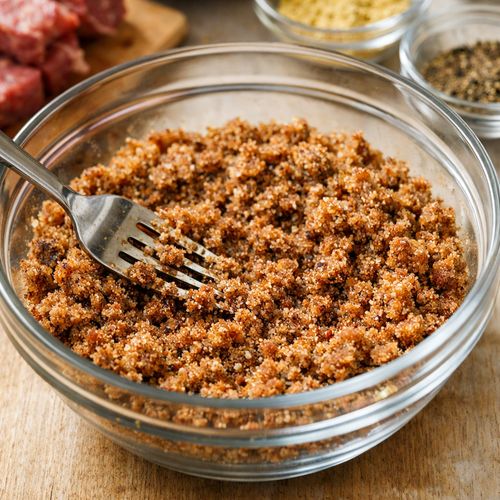
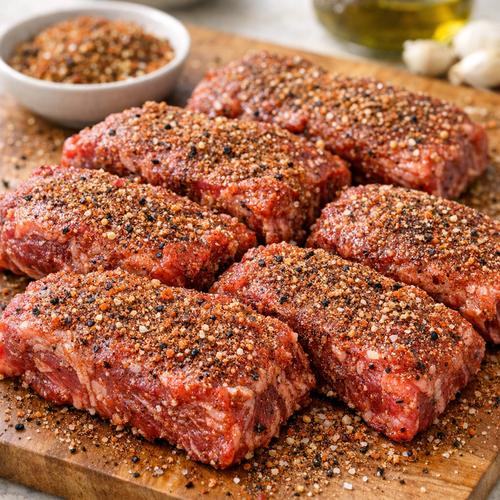
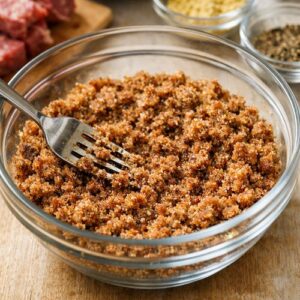
While the oven heats, combine all your dry rub ingredients in a small bowl: brown sugar, paprika, garlic powder, onion powder, cumin, mustard powder, salt, and pepper. Mix thoroughly with a fork to break up any clumps in the brown sugar. The mixture should look like damp sand—evenly combined and fragrant. If you’re making this ahead, you can prepare the rub up to 3 days in advance and store it in an airtight container.
Step 2: Season the Ribs Generously
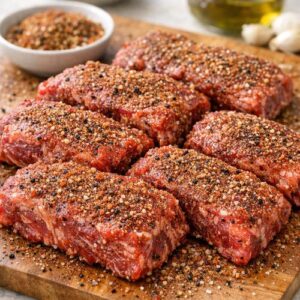
Place your dried ribs on a large cutting board or directly in your baking dish. Divide the dry rub roughly in half. Apply the first half evenly to the top side of all six ribs, pressing gently so it adheres. Then flip each rib and apply the remaining rub to the underside. Don’t be shy—this is your foundation of flavor. Every surface should be coated.
At this point, if you’re planning ahead, you can cover the ribs and refrigerate them for up to 24 hours. The flavors will actually deepen as they sit. Just bring them to room temperature for 30 minutes before cooking.
Step 3: Make Your Braising Sauce
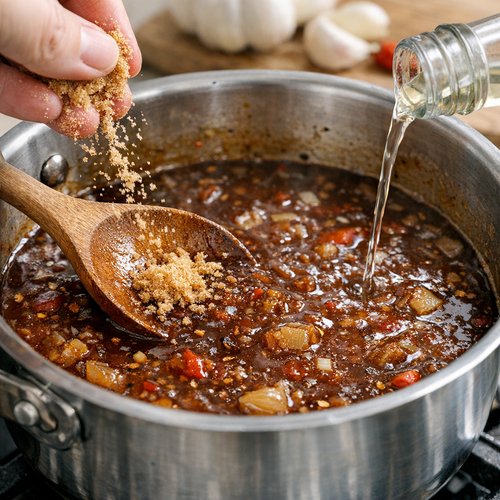
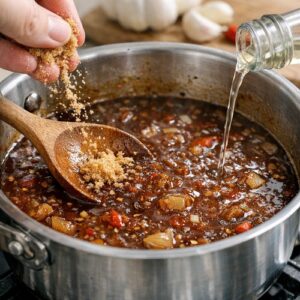
In a medium saucepan over medium heat, combine your minced fresh garlic with the apple cider vinegar. Let it warm for just a minute—you want the garlic to release its flavor without cooking into harshness. Add the ketchup, brown sugar, black pepper, onion powder, mustard powder, cayenne pepper, and Worcestershire sauce.
Stir everything together and let it simmer gently for about 5 minutes. Taste it now—this is your chance to adjust. If it’s too acidic, add a pinch more brown sugar. If it’s too sweet, add a splash more vinegar. If you want more heat, add another ¼ teaspoon cayenne. Then add your 2 cups of water (or broth) and stir well. The sauce should be the consistency of tomato soup—pourable but with body.
Step 4: Braise Your Ribs
If you haven’t already, place your seasoned ribs in a large baking dish or Dutch oven, arranging them in a single layer if possible (they can overlap slightly if your vessel is snug). Pour the entire sauce around and over the ribs. Cover the dish tightly with foil or a lid—this seal is important for moisture.
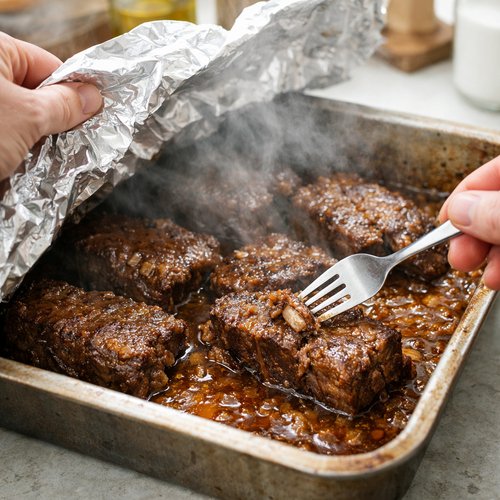
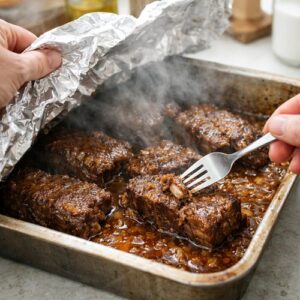
Place in your preheated 325°F oven. Set a timer for 1 hour and 45 minutes. At that point, carefully remove the foil (watch for steam!) and check the ribs. They should be quite tender when pierced with a fork. If they’re not quite there, re-cover and continue cooking for another 15 to 30 minutes. Total cooking time is usually 2 to 2.5 hours, depending on the thickness of your ribs.
Step 5: Finish and Rest
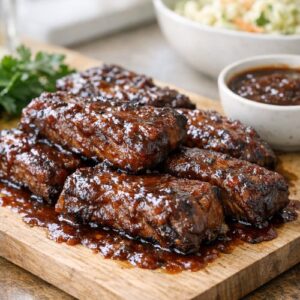
When your ribs are fall-apart tender, carefully remove the baking dish from the oven. Let them rest uncovered for 5 to 10 minutes—this allows the meat to relax and the sauce to set slightly. If the sauce seems too thin, you can transfer the ribs to a serving platter, then place the sauce in a saucepan over medium-high heat and simmer it for 3 to 5 minutes to reduce and concentrate the flavors. Pour it back over the ribs.
Step 6: Plate and Garnish
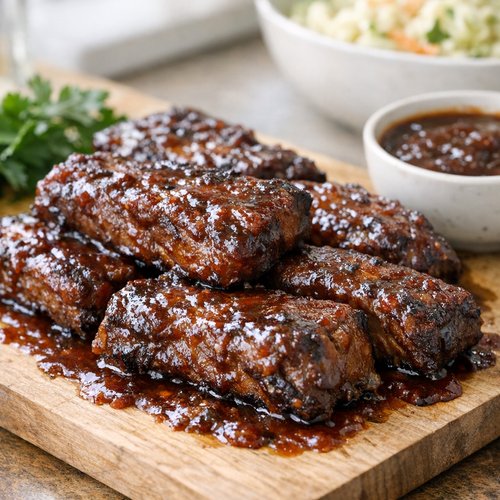
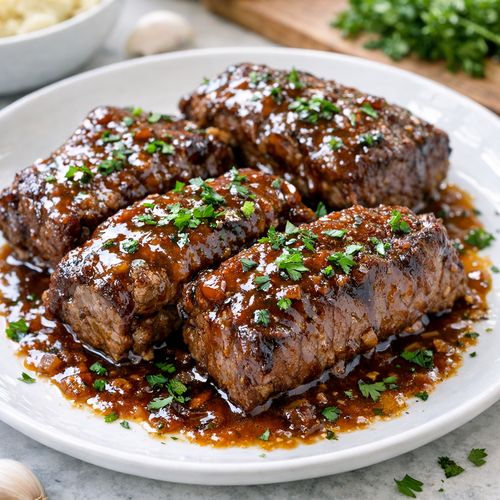
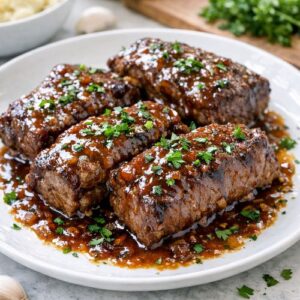
Transfer ribs to your serving platter or individual plates. Spoon that precious sauce generously over the top. Finish with a scatter of fresh parsley or chives for color and a fresh note that cuts through the richness. The herbs aren’t just pretty—they add a brightness that balances the deep flavors underneath.
Make-Ahead Timeline
I live and breathe meal planning because it’s the difference between cooking feeling like a chore and feeling like a joy. Here’s exactly how to prepare these ribs for any occasion:
- 3 days before – Mix your dry rub and store in an airtight container. Make your sauce base (everything except the water) and refrigerate. This gives flavors time to marry and makes your event day almost effortless.
- 1 day before – Pat your ribs dry, apply the rub, cover, and refrigerate. Bring sauce to room temperature and stir in the water. If you want, you can combine everything in your baking dish, cover it, and refrigerate overnight. Just add 15-20 minutes to cooking time since you’ll be starting from cold.
- 3 hours before guests arrive – Remove ribs from refrigerator if they were prepped ahead. Let them sit at room temperature for 30 minutes. Start the oven preheating 30 minutes before cooking time.
- During cooking (hands-off) – This is your gift to yourself. No checking, no stirring, no stress. Use this time to set your table, prepare sides, or simply breathe.
- 15 minutes before serving – Remove from oven, rest uncovered. Garnish with fresh herbs just before bringing to the table.
How to Present and Plate Boneless Beef Ribs Oven Recipe
You’ve done the work, and now you get to enjoy the moment when your guests’ faces light up. Presentation matters because we eat with our eyes first, and these ribs deserve to look as good as they taste.
- Use a warm serving platter – Arrange ribs in a slightly overlapping pattern down the center. The warmth of the platter keeps everything at its best temperature while you get it to the table.
- Pool the sauce strategically – Spoon sauce around the ribs rather than drowning them. This lets guests see the beautiful caramelized exterior while still providing that luxurious sauce for every bite.
- Garnish generously with fresh herbs – Green parsley or delicate chives create visual contrast against the deep brown meat and sauce. Scatter them just before serving for maximum freshness and color.
- For individual plating – Place one rib slightly off-center on each plate. Spoon sauce artfully around it. Nestle your side dishes (see below) in the remaining space. A single herb sprig on top creates elegance without effort.
Seasonal Variations
I love adapting recipes to match what’s in season—it keeps cooking feeling fresh and ties your meals to the actual time of year. Here are my favorite ways to shift this recipe:
- Spring and Summer Version – Replace half the apple cider vinegar with fresh lemon juice or white wine vinegar for brightness. Add 1 tablespoon Dijon mustard to the sauce instead of dry mustard for a fresher profile. Reduce the paprika to 1 teaspoon and add 1 teaspoon of fresh thyme or tarragon instead. Serve with lighter sides like grilled vegetables or fresh salads. This version feels less heavy while still delivering that tender, succulent meat.
- Fall and Winter Version – This is the classic version as written, but you can deepen it further by using beef broth instead of water, adding 1 teaspoon of smoked paprika (for a total of 3 teaspoons), and including a splash of bourbon or apple cider if you’d like. The deeper spice profile and smokiness feels perfect as temperatures drop. Serve with roasted root vegetables and creamy sides.
What to Serve Alongside Boneless Beef Ribs Oven Recipe
These ribs are rich and deeply flavored, so you want sides that complement rather than compete. Think about balance—something with brightness, something with texture, something substantial. Here are the meals I’d build around this centerpiece:
- Creamed or buttered corn – The sweetness echoes the sauce while the richness matches the meat. Corn’s texture provides contrast to the tender ribs.
- Crispy roasted potatoes with herbs – These soak up any extra sauce on the plate and provide a neutral base that lets the ribs shine.
- Simple green salad with vinaigrette – The acidity cuts through the richness and cleanses the palate between bites.
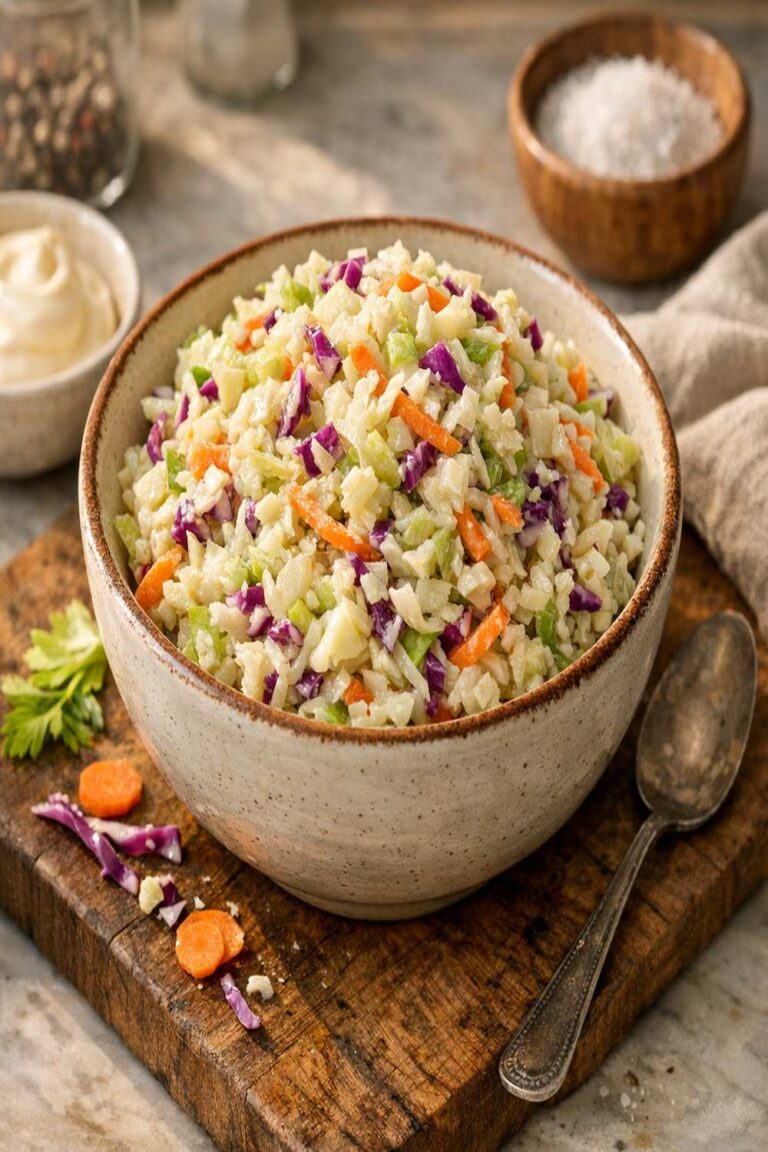
- Creamy coleslaw – The cool, crunchy cabbage provides textural contrast while the creaminess balances the spiced sauce.
- Roasted Brussels sprouts or broccoli – A slightly charred vegetable adds sophistication and compounds the savory notes in the meat.
- Soft dinner rolls or cornbread – Essential for soaking up the last of that magnificent sauce. Trust me, nobody will leave it behind.
Looking to round out your table? These ribs pair beautifully with loaded nachos as an appetizer if you’re entertaining, or serve them alongside Cajun chicken pasta if you want to offer variety for different preferences. Either way, you’re creating a memorable meal.
Can I Store Boneless Beef Ribs Oven Recipe?
Absolutely, and this is one of the recipe’s best features. These ribs actually improve after a day or two as flavors deepen and meld.
Refrigerator storage: Let the ribs cool to room temperature, then transfer them with their sauce to an airtight container. They’ll keep for 3 to 4 days in the refrigerator. Reheat gently on the stovetop over low heat or in a 325°F oven, covered, for about 20 minutes until warmed through.
Freezer storage: These freeze beautifully for up to 3 months. Cool completely, then portion into freezer-safe containers or bags (with sauce). Thaw overnight in the refrigerator before reheating. Alternatively, you can reheat directly from frozen in a 350°F oven, covered, for about 45 minutes to an hour.
Pro tip: If you’re meal prepping, portion individual ribs with sauce into containers. They’re perfect for grab-and-go lunches throughout the week. Reheat in the microwave (transferring to a microwave-safe dish) for about 2 to 3 minutes, or on the stovetop for better texture.
Nutrition Information
Based on USDA data, each serving (1 boneless beef rib with sauce, makes 6 servings) contains approximately 520 calories, 42g protein, 28g fat, and 16g carbohydrates. The protein content makes this an excellent choice for muscle maintenance and satiety, while the iron content (about 3mg per serving) supports oxygen transport and energy production—particularly important if you’re managing active days or athletic pursuits.
The spices in this recipe, particularly the garlic and paprika, contain powerful antioxidants and anti-inflammatory compounds. The apple cider vinegar aids in mineral absorption, making the iron and zinc from the beef more bioavailable to your body. This isn’t just delicious food—it’s nourishing food.
Expert’s Nutritional Tip
Here’s something I share with my clients regularly: the acid in the apple cider vinegar does more than add flavor. It helps your body absorb the iron and zinc from the beef more efficiently—a phenomenon called enhanced bioavailability. This is why traditional cuisines often pair beef with acidic components like vinegar-based sauces. Serving these ribs with a vinaigrette salad or pickled vegetables amplifies this effect. You’re not just making food taste good; you’re making it more nourishing.
Common Mistakes to Avoid
I’ve worked with hundreds of home cooks, and I want to help you sidestep the pitfalls I see most often:
- Not patting the ribs dry – Moisture prevents browning and keeps the rub from adhering properly. This is the single most important step for developing a flavorful crust.
- Opening the oven too frequently – Every time you peek, you release heat and extend cooking time. Trust the process. Set a timer and leave it alone.
- Overcooking past tender – There’s a point where ribs go from “fall-apart tender” to “mushy.” Cook until a fork easily pierces the meat with gentle resistance, not until it shreds apart. Usually this is 2 to 2.5 hours.
- Using cold sauce – Cold sauce added to hot ribs will cool the dish down. Always add sauce at or near room temperature, or warm it gently first.

Boneless Beef Ribs Oven Recipe
Ingredients
Method
- Start by preheating your oven to 325°F. Pat your beef ribs completely dry with paper towels—this is critical for developing a proper crust. Moisture is the enemy of browning, so don't skip this step. While the oven heats, combine all your dry rub ingredients in a small bowl: brown sugar, paprika, garlic powder, onion powder, cumin, mustard powder, salt, and pepper. Mix thoroughly with a fork to break up any clumps in the brown sugar. The mixture should look like damp sand—evenly combined and fragrant. If you're making this ahead, you can prepare the rub up to 3 days in advance and store it in an airtight container.
- Place your dried ribs on a large cutting board or directly in your baking dish. Divide the dry rub roughly in half. Apply the first half evenly to the top side of all six ribs, pressing gently so it adheres. Then flip each rib and apply the remaining rub to the underside. Don't be shy—this is your foundation of flavor. Every surface should be coated. At this point, if you're planning ahead, you can cover the ribs and refrigerate them for up to 24 hours. The flavors will actually deepen as they sit. Just bring them to room temperature for 30 minutes before cooking.
- In a medium saucepan over medium heat, combine your minced fresh garlic with the apple cider vinegar. Let it warm for just a minute—you want the garlic to release its flavor without cooking into harshness. Add the ketchup, brown sugar, black pepper, onion powder, mustard powder, cayenne pepper, and Worcestershire sauce. Stir everything together and let it simmer gently for about 5 minutes. Taste it now—this is your chance to adjust. If it's too acidic, add a pinch more brown sugar. If it's too sweet, add a splash more vinegar. If you want more heat, add another ¼ teaspoon cayenne. Then add your 2 cups of water (or broth) and stir well. The sauce should be the consistency of tomato soup—pourable but with body.
- If you haven't already, place your seasoned ribs in a large baking dish or Dutch oven, arranging them in a single layer if possible (they can overlap slightly if your vessel is snug). Pour the entire sauce around and over the ribs. Cover the dish tightly with foil or a lid—this seal is important for moisture. Place in your preheated 325°F oven. Set a timer for 1 hour and 45 minutes. At that point, carefully remove the foil (watch for steam!) and check the ribs. They should be quite tender when pierced with a fork. If they're not quite there, re-cover and continue cooking for another 15 to 30 minutes. Total cooking time is usually 2 to 2.5 hours, depending on the thickness of your ribs.
- When your ribs are fall-apart tender, carefully remove the baking dish from the oven. Let them rest uncovered for 5 to 10 minutes—this allows the meat to relax and the sauce to set slightly. If the sauce seems too thin, you can transfer the ribs to a serving platter, then place the sauce in a saucepan over medium-high heat and simmer it for 3 to 5 minutes to reduce and concentrate the flavors. Pour it back over the ribs.
- Transfer ribs to your serving platter or individual plates. Spoon that precious sauce generously over the top. Finish with a scatter of fresh parsley or chives for color and a fresh note that cuts through the richness. The herbs aren't just pretty—they add a brightness that balances the deep flavors underneath.
Notes
FAQs
Can I make this recipe on the stovetop or grill instead of the oven?
Yes, with adjustments. For stovetop braising: Brown the seasoned ribs in a Dutch oven over medium-high heat (about 3 minutes per side), then add your sauce and water. Reduce heat to low, cover, and simmer for 2 to 2.5 hours until tender. For grilling: Sear the ribs on a hot grill first, then move them to a cooler zone or indirect heat. Cover with foil and continue cooking for 1.5 to 2 hours. The oven method is honestly easiest because the heat surrounds the ribs evenly, but both alternatives work beautifully.
What’s the difference between boneless beef ribs and beef short ribs?
Boneless beef ribs (sometimes called beef chuck ribs) are cut from the chuck section and have the bone removed. They’re more tender than traditional beef short ribs and require slightly less cooking time. If you use bone-in short ribs instead, they’ll take about 30 minutes longer to become fall-apart tender. Both work with this recipe—just adjust your timing based on thickness.
Can I double this recipe for a larger crowd?
Absolutely! Double everything including the sauce. You’ll likely need two large baking dishes since crowding affects cooking evenness. Stagger them in the oven, rotating halfway through. Cooking time might increase by 15 to 30 minutes depending on your oven’s hot and cool spots. Alternatively, bake one batch, keep it warm loosely covered while the second batch cooks.
Is there a way to make this recipe less spicy?
Yes. Simply reduce or omit the cayenne pepper entirely. The paprika and mustard powder provide flavor without heat. You can also substitute smoked paprika for regular paprika if you want depth without spice. Taste your sauce as you build it and adjust to your preference—there’s no single “correct” heat level.
How do I know when the ribs are done cooking?
The most reliable test is the fork method: insert a fork into the thickest part of the rib. If it penetrates easily with gentle pressure and the meat has lost its resistance, you’re done. The meat should be very tender but not so soft that it falls apart before you plate it. Another indicator is that the meat will have pulled back slightly from the edges of the bone (if there’s any remaining bone). Typically, boneless beef ribs are done at the 2 to 2.5-hour mark at 325°F, but oven variance matters—start checking around 1 hour and 45 minutes.
More Recipes for Your Table
- Beef Country Style Ribs Recipe Oven – Another oven-braised beef option with different spice notes if you want variety throughout the month.
- Bacon Wrapped Chicken Strips Recipe – A lighter protein option when you want the richness of bacon without the intensity of beef.
- White Chicken Chili Recipe – A warming, creamy comfort dish that’s perfect alongside braised ribs for a full table.
- Beefsteak Tomato Sauce Recipe – Master this sauce and you’ll have a foundation for countless beef dishes beyond ribs.
A Final Word on Making Memories Around Your Table
You know what I love most about my work? It’s those moments when someone tells me they made a recipe I shared and their family asked for seconds. When a dinner party becomes a memory. When food becomes the bridge between people who care about each other.
These boneless beef ribs are built for those moments. They’re not complicated, but they’re impressive. They ask for your time, not your stress. They let you be present with your guests instead of being stuck in the kitchen. And when everyone tastes that fall-apart tender meat with that perfectly balanced sauce, they’ll feel how much you care.
I think that’s the real magic of good cooking—not the complexity, but the intention. You’re saying, “I wanted to make something special for you.” And these ribs deliver that message perfectly.
So take a deep breath, pull out that baking dish, and let your oven do the heavy lifting. Your table is going to be so good. Enjoy!
- Dinner Recipes