Ingredients
Method
Step 1: Activate the Yeast
- Start by warming your milk and water to about 105–110°F. In a bowl, combine the warm milk, warm water, and granulated sugar. Sprinkle the yeast on top and let it sit for about 5-10 minutes, until it becomes frothy.
Step 2: Mix the Ingredients
- In a larger mixing bowl, whisk together the flour, salt, and cinnamon. Once your yeast mixture is ready, pour it into the dry ingredients. Add melted butter and vanilla extract. Stir until a rough dough forms.
Step 3: Knead the Dough
- Transfer your dough to a floured surface. Knead it for about 5-7 minutes, until smooth and elastic. This action builds the gluten structure, which is key for that fluffy texture.
Step 4: Let it Rise
- Place your kneaded dough in a greased bowl and cover it with a clean kitchen towel. Allow it to rise in a warm area for about 1 hour, or until it doubles in size.
Step 5: Prepare the Coating
- While the dough is rising, make the brown sugar coating. In a bowl, mix together brown sugar, cinnamon, and melted butter. This step brings out an incredible sweetness.
Step 6: Form the Dough Balls
- Once the dough has risen, punch it down gently to release the gas. Divide the dough into small pieces, about the size of a golf ball. Roll each piece into a ball and then coat them generously in the brown sugar mixture.
Step 7: Arrange in the Pan
- Grease a bundt pan with softened unsalted butter. Randomly layer the dough balls in the pan. It’s okay if some overlap; they’ll rise and fill in the gaps.
Step 8: Second Rise
- Cover the bundt pan with a towel and let the dough rise for an additional 30 minutes. This allows the flavors to develop and contributes to the final texture.
Step 9: Bake the Bread
- Preheat your oven to 350°F (175°C). Once the dough has risen again, bake it for 30-35 minutes, until golden brown. Keeping an eye on it during the last few minutes will prevent over-baking.
Step 10: Glaze and Serve
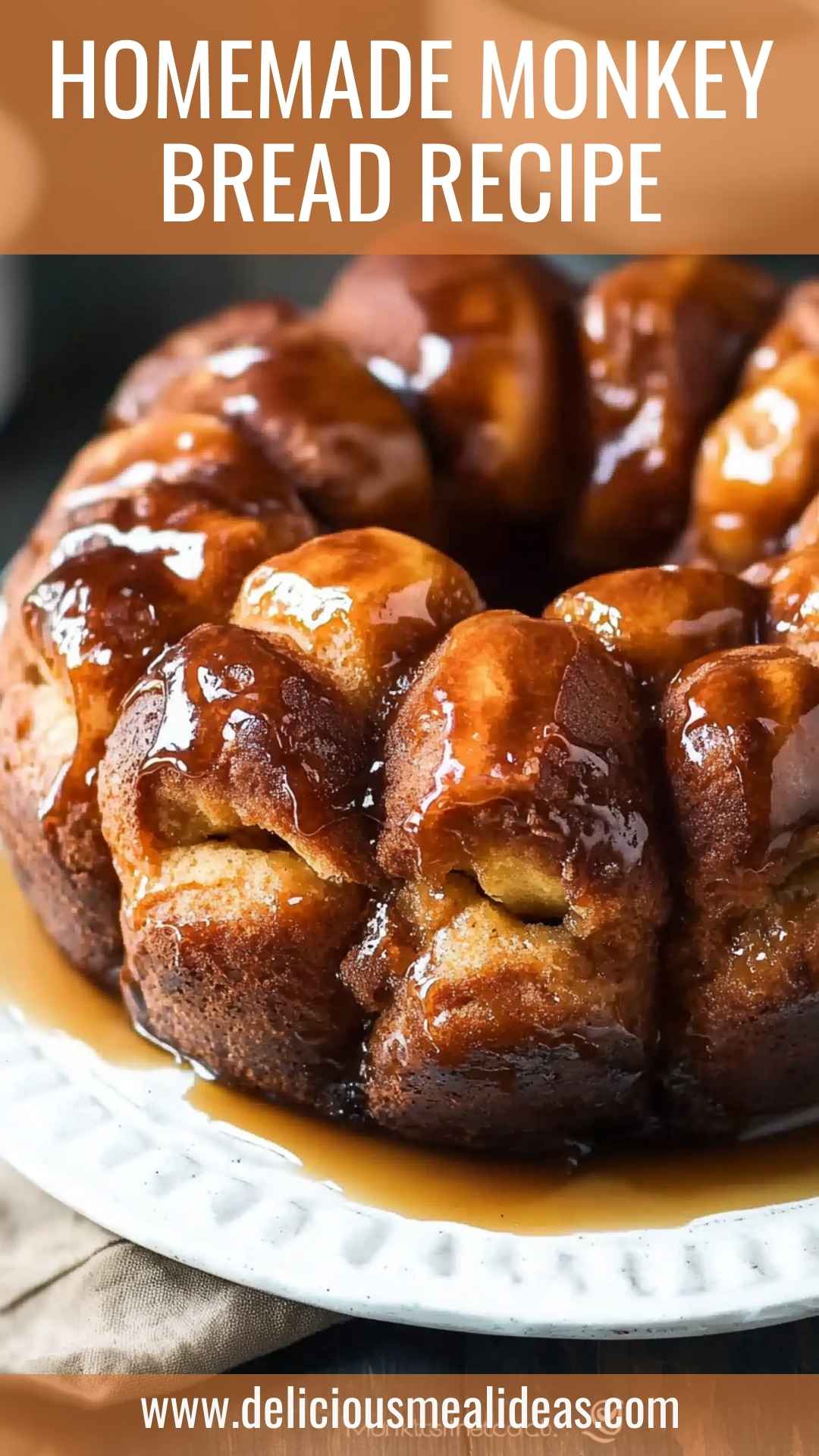
- For the glaze, mix powdered sugar, milk, and almond extract in a small bowl until smooth. Once the monkey bread is out of the oven, let it sit for about 5 minutes. Then turn it out onto a serving plate and drizzle the glaze over the warm bread.
Notes
- Room Temperature Ingredients: Let your butter and eggs come to room temperature before starting. This helps them blend smoothly.
- Avoid Overbaking: Keep an eye on the baking time; overbaking can lead to a dry texture. It should be golden brown.
- Use Fresh Ingredients: Check the expiration date on your yeast. Fresh yeast ensures a lovely rise.
- Customize Flavors: Experiment with different spices or extracts, like nutmeg or vanilla, to bring a unique twist to your recipe.
- Let it Cool Before Glazing: This allows the glaze to set better and prevents it from sliding off too much.