Ingredients
Method
Step 1: Prepare the Cabbage
- Start with a fresh cabbage. Remove any outer leaves that may be wilted or damaged. Cut the cabbage into quarters, removing the core. Slice each quarter into thin strips. Aim for consistency; this helps with the fermentation process.
Step 2: Salt the Cabbage
- In a large mixing bowl, combine the sliced cabbage with the salt. Now, this is where the magic begins. Using your hands, massage the cabbage vigorously. You'll notice the cabbage begins to release its natural juices. Continue this for about 5-10 minutes. It might feel a bit silly, but trust me, this step is crucial!
Step 3: Add Flavor (if desired)
- If you're using additives like caraway seeds or grated ginger, sprinkle them in now. Stir them into the salted cabbage. These additions will not only provide flavor but also make your sauerkraut unique.
Step 4: Pack into a Jar
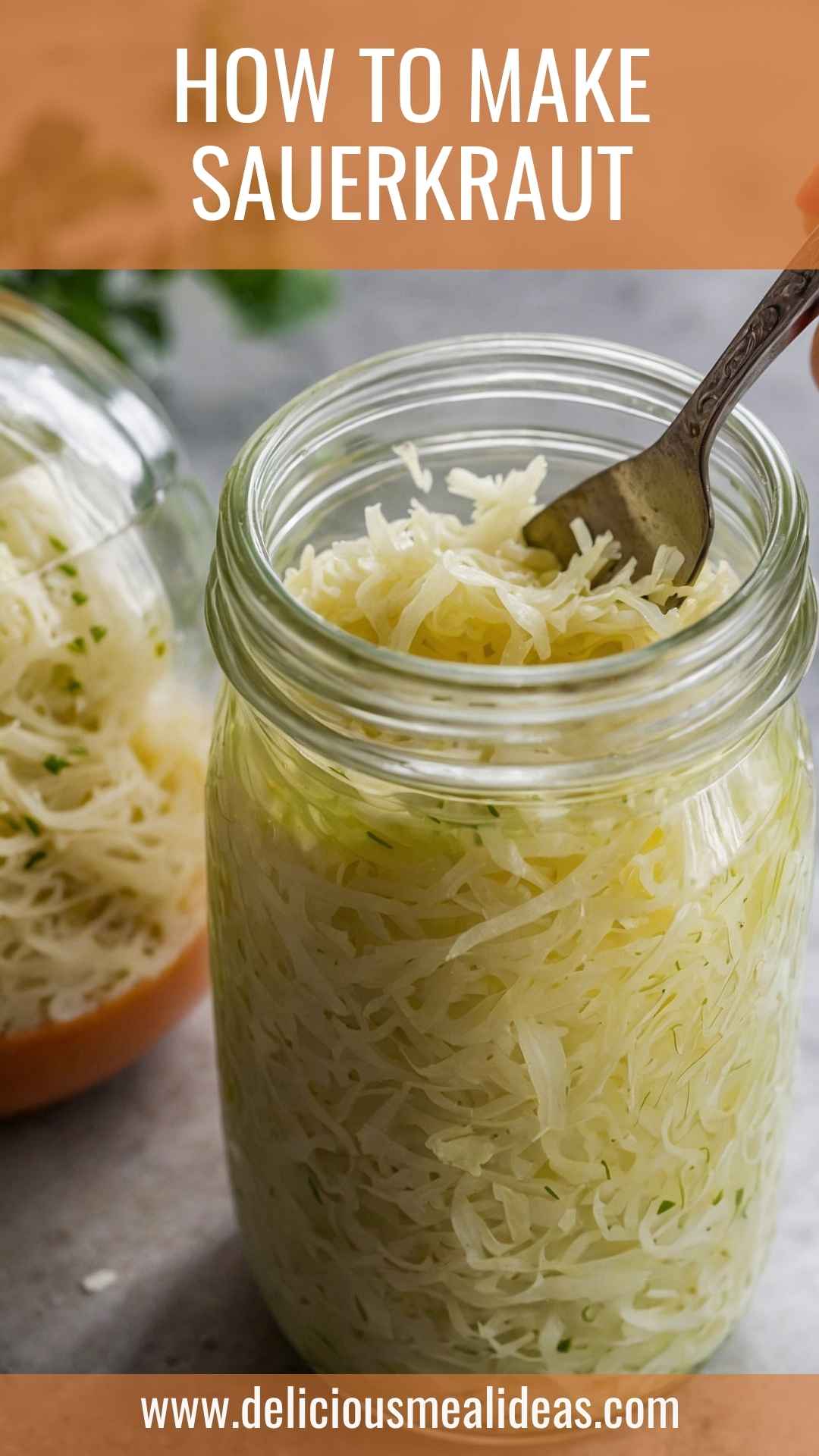
- Next, transfer the cabbage mixture into a clean fermentation jar or a large glass container. Press the cabbage down firmly as you layer it in. You want to pack it tightly and ensure that the juices cover the cabbage completely. If you don’t see enough liquid, you can add a little extra saltwater (1 teaspoon of salt dissolved in 1 cup of water).
Step 5: Ferment!
- Cover the jar loosely with a lid or a cloth secured with a rubber band. This allows gases to escape while keeping contaminants out. Place the jar in a cool, dark area. Now comes the waiting game. Let it ferment for about 1 to 4 weeks, depending on your taste preference.
Step 6: Taste and Store
- After a week, start tasting your sauerkraut. It should start to taste tangy and sour. When it reaches your desired flavor, transfer it to the fridge. Doing so will slow down the fermentation process, and your sauerkraut can last for months in cold storage.
Notes
- Use a Fermentation Weight: If you have one, a fermentation weight can help keep the cabbage submerged under the brine.
- Experiment: Don’t hesitate to try different spices like juniper berries or garlic for varied flavors.
- Check for Molds: It’s normal for some white scum to form, but if you see any black or fuzzy mold, discard the batch.
- Temperature Matters: Keep the cabbage in a cool area, ideally between 65-75°F. Too warm will speed up fermentation.
- Save Some Liquid: Keep a little of the brine for your next batch of sauerkraut as a starter culture.