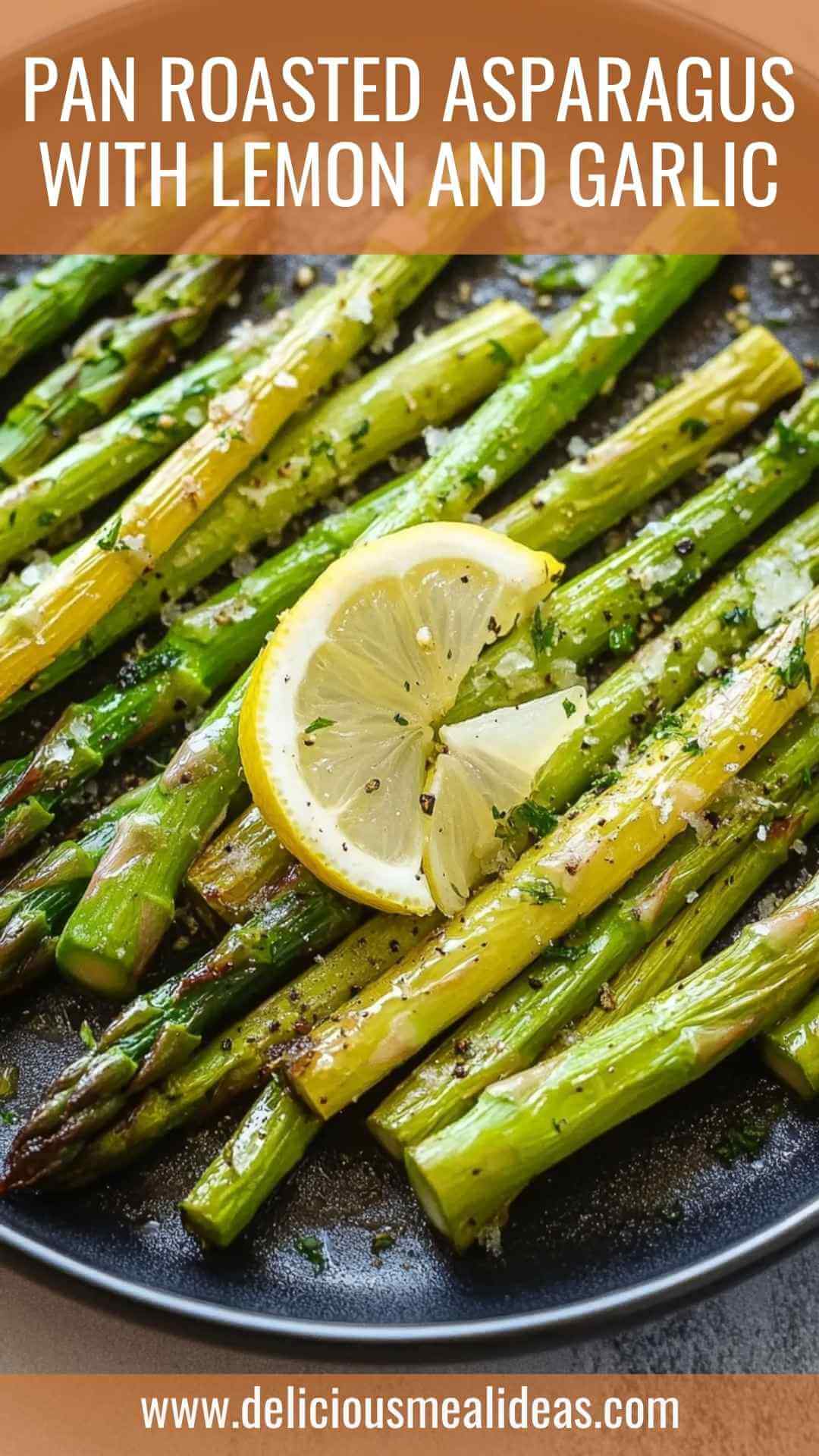
Ingredients
Method
Step 1: Prepare Your Asparagus
- First thing’s first—let your asparagus shine. I always start with fresh asparagus. Look for vibrant green stalks with firm, closed tips. If the ends seem woody, just trim them off. Once prepped, pat them dry with a clean cloth. Moisture can lead to steaming rather than that glorious roasting we’re after.
Step 2: Heat Your Pan
- Grab a large skillet and heat it on medium-high. I love using cast iron for this, but honestly, any nonstick skillet will work. Add the two tablespoons of extra virgin olive oil. You want that oil shimmering; this spells the start of something delicious. Don’t skip this step! The oil will help you achieve that golden-brown crust we all crave.
Step 3: Sauté the Garlic
- Once the oil is hot, toss in those halved garlic cloves. Sauté them until they're golden brown. This usually takes about a minute. Be careful not to let them burn, or they’ll turn bitter. We want flavor, not a tragedy! I enjoy the way the garlic fills the air—it's like an appetizer for my taste buds.
Step 4: Add Asparagus and Season
- Now it’s showtime! Add the asparagus to that hot oil and garlic. Toss the stalks to coat them evenly. Season with kosher salt and freshly ground black pepper. Don’t be shy with them! The salt will bring out the natural sweetness of the asparagus, while the pepper adds that kick we all need.
Step 5: Roast to Perfection
- Let the asparagus cook undisturbed for about three minutes. After this, give them a toss and let them cook for another two to three minutes. They should be tender yet slightly crispy. If you like a bit more char, leave them a tad longer, but keep an eye on them. The cooking time might vary based on how thick those stalks are.
Step 6: Zing with Lemon and Spice Up with Red Pepper Flakes
- Once your asparagus has reached that desired tenderness, it’s time for lemon juice and heat! Squeeze the juice from one medium-sized lemon over the asparagus, then add the crushed red pepper flakes. Stir for another minute or two. Your kitchen will smell heavenly right about now. To finish, add a tablespoon of filtered water. It creates a little steam and helps marry all those flavors.
Step 7: Grate Parmesan and Serve
- Finally, transfer your beautiful asparagus to a serving platter, and sprinkle the grated Parmesan over the top. If you prefer a plant-based version, feel free to omit this step. Grab a fork and dive in; it’s delicious served warm or at room temperature.
Notes
- Asparagus: This green veggie shines in the spring months, but you can find good quality asparagus year-round. Look for firm stalks that are not wilting. If you can find thin asparagus, I recommend using them as they cook quickly and have a delicate taste.
- Garlic: Fresh garlic is crucial here. It offers flavor that powdered garlic simply can’t match. You might even consider using roasted garlic for an even smoother, sweeter element.
- Extra Virgin Olive Oil: The quality of olive oil matters. A good EVOO adds richness and depth to the dish. Always taste as you go, adjusting the oil content to your liking.
- Lemon Juice: Freshly squeezed adds a zing that bottled lemon juice cannot replicate. It truly brightens up the dish!
- Crushed Red Pepper Flakes: Feel free to adjust the amount according to your spice tolerance. A pinch will do, but if you’re feeling bold, go for more.
- Parmesan Cheese: Grate your own cheese for maximum flavor. Pre-shredded cheese often has anti-caking agents that can alter texture and taste.