
This post contains affiliate links. As an Amazon Associate I earn from qualifying purchases.
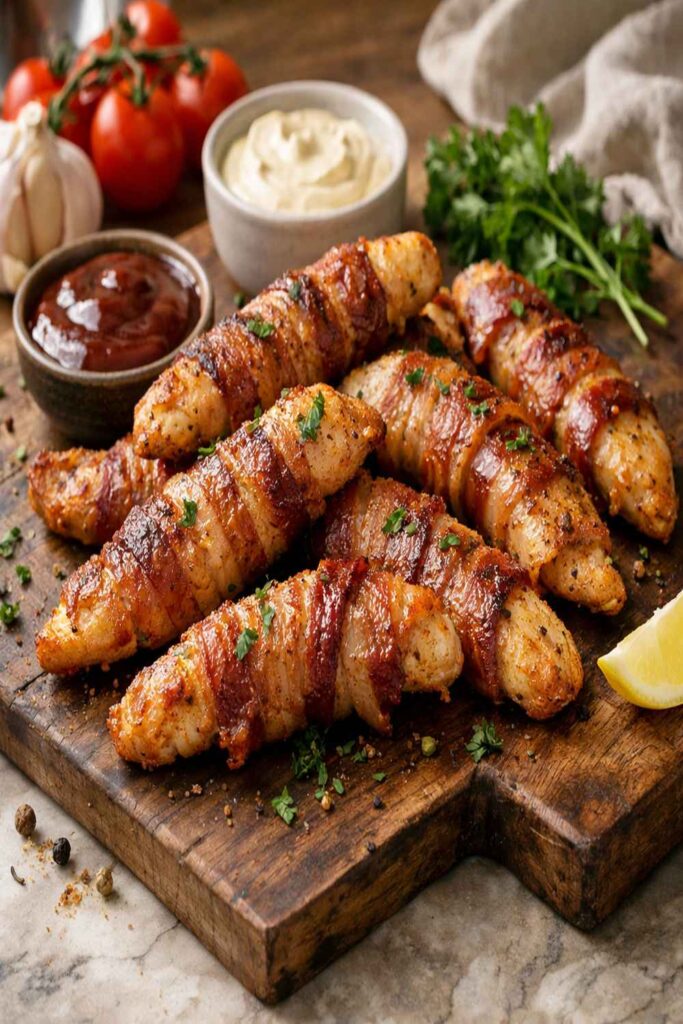
I still remember watching my grandmother arrange strips of smoky meat around chicken in her kitchen—it seemed like pure magic to a young me. What I didn’t understand then, but know now as a registered dietitian, is that wrapping lean protein in cured pork creates a beautiful example of how fat carries flavor while rendering during cooking. This technique dates back to classical French cuisine, where “lardage”—inserting fat into lean meats—became the gold standard for keeping poultry moist and flavorful. Today, this bacon wrapped chicken strips recipe has become a weeknight hero in thousands of kitchens, and I’m thrilled to share exactly why it works so beautifully. Whether you’re planning baked macaroni and cheese as a side or something lighter, these golden, crispy-edged strips deserve a place on your table.
The Science Behind Bacon Wrapped Chicken Strips Recipe
When I teach nutrition workshops in Syracuse, I always explain that great cooking is applied chemistry. This recipe works because it leverages three critical food science principles: the Maillard reaction, moisture management, and enzymatic seasoning penetration. The bacon’s fat melts during cooking—around 160°F—and bastes the chicken continuously, preventing dryness while creating that golden, savory crust you’re craving.
What makes this recipe nutritionally intelligent is that we’re using smoke and spice to deliver flavor rather than excessive fat or sodium. The spice blend itself does something fascinating: compounds like capsaicin (from chili powder) and allicin (from garlic) are fat-soluble, meaning they dissolve directly into the bacon’s rendering fat, intensifying their presence throughout the meat. The brown sugar creates a glaze through caramelization, which is a concentrated Maillard reaction—hundreds of flavor compounds forming at once when sugars and amino acids reach temperatures above 300°F.
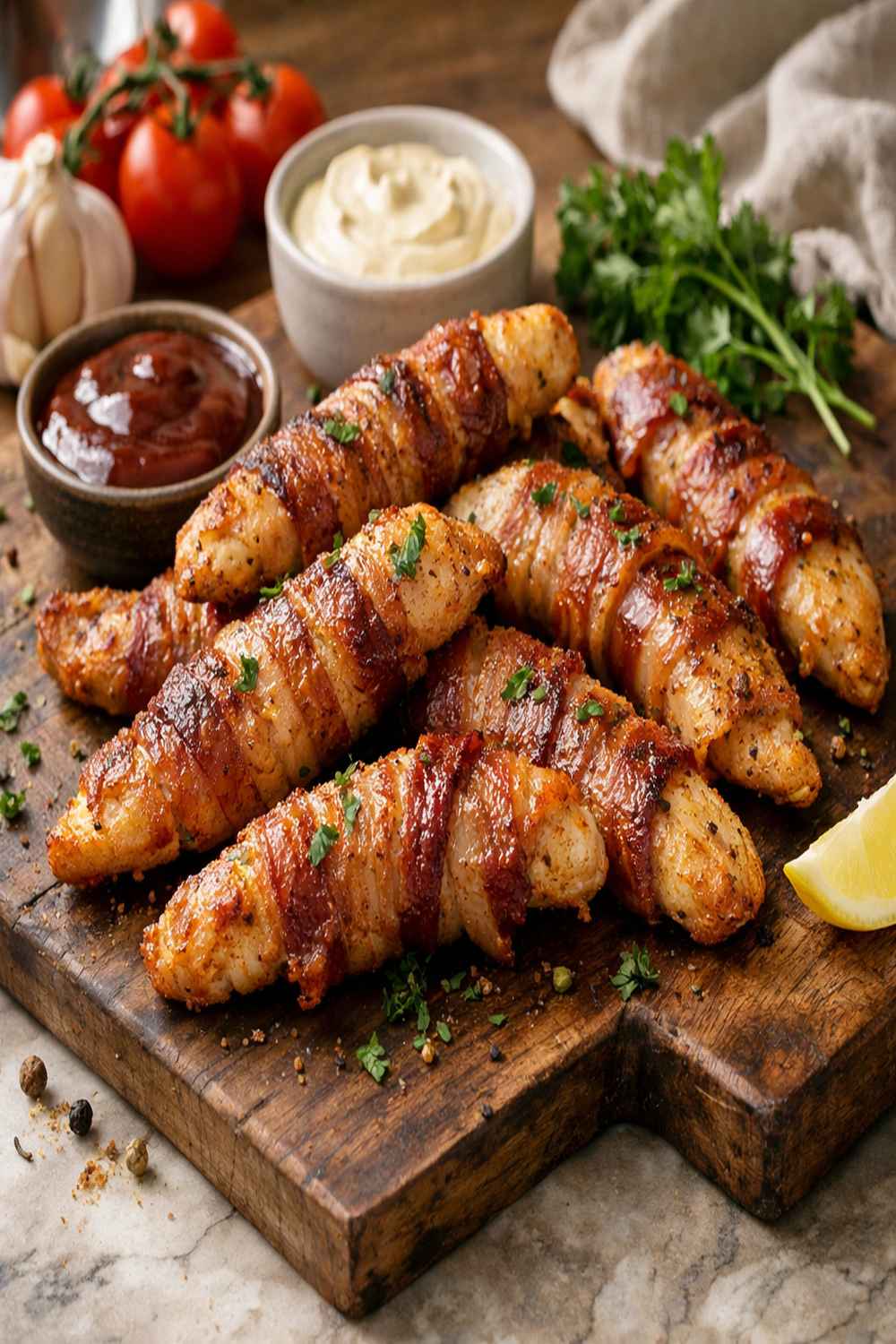
Why This Recipe Is Nutritionally Superior
Let me be direct: chicken breast is already a nutritional powerhouse, and this preparation method doesn’t compromise that. In fact, it enhances bioavailability. According to USDA nutrition data, a 3-ounce serving of chicken breast contains roughly 26 grams of complete protein with virtually no carbohydrates when prepared without added sugars. This recipe adds moderate amounts of sugar in the glaze, but it’s distributed across the entire batch, making the per-serving impact manageable for most dietary goals.
The spice blend here is genuinely therapeutic. I’m not speaking casually—I’m speaking as someone who has reviewed peer-reviewed research on these compounds.
- Garlic and onion powder – contain organosulfur compounds linked to improved cardiovascular function and reduced inflammation markers in multiple studies published in the American Journal of Clinical Nutrition
- Paprika and chili powder – provide capsaicinoids and carotenoids, which have demonstrated antioxidant properties and may support metabolic function at doses as low as ½ teaspoon daily
- Protein from chicken and bacon – supports satiety and muscle maintenance; the combination with fat from bacon slows gastric emptying, keeping you satisfied longer than lean protein alone
Ingredient Deep Dive
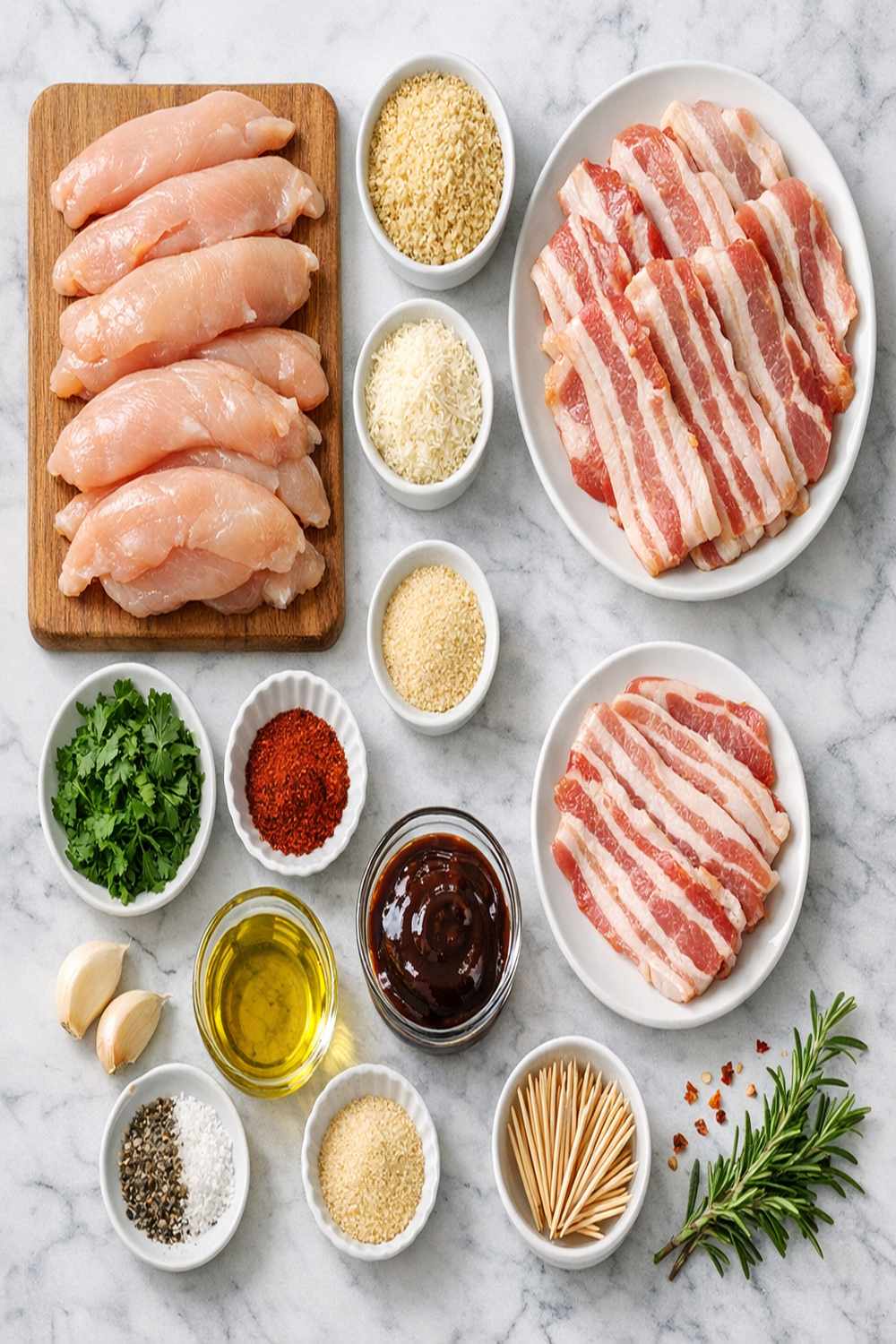
Understanding each ingredient’s role transforms you from someone following a recipe to someone who truly cooks. Every single element here serves a purpose, and I want you to understand exactly what that purpose is. This isn’t busywork—it’s the difference between a good result and a restaurant-quality result.
- 1 teaspoon onion powder (concentrated allicin and quercetin from dehydrated onions; flavor compounds are activated by heat)
- 1 teaspoon sweet paprika (adds depth without heat; the carotenoid content becomes more bioavailable when heated with fat)
- 1 teaspoon garlic powder (dried garlic’s sulfur compounds are actually more concentrated than fresh; they develop during dehydration)
- ½ teaspoon freshly ground black pepper (piperine enhances curcumin absorption if serving with turmeric-based sides)
- 2 tablespoons balsamic vinegar (optional but transformative; acidity cuts through richness and adds umami depth)
- 1 tablespoon fresh parsley, minced (for garnish; fresh herbs add volatile aromatics that complement the caramelized sweetness)
- ⅔ cup packed light brown sugar (provides moisture and forms the caramelized glaze; molasses content adds mineral complexity)
- ½ teaspoon fine sea salt (enhances protein denaturation and water retention; too much prevents browning through osmotic pressure)
- 2 tablespoons chili powder (capsaicin content increases thermogenesis; darker varieties contain more sophisticated flavor compounds from longer roasting)
- 1 pound chicken tenders (about 10 pieces; uniform size ensures even cooking and prevents dry edges while centers stay undercooked)
- 10 strips bacon, sliced lengthwise into halves (the length distributes fat evenly; turkey bacon works beautifully if you prefer leaner results, though traditional bacon creates superior crust)
- ½ teaspoon Italian seasoning blend (oregano, basil, and thyme provide antimicrobial compounds that have been shown to preserve food quality and support digestion)
The Technique: How to Make Bacon Wrapped Chicken Strips Recipe Properly
This is where patience meets precision. I’ve watched countless home cooks rush through the wrapping stage or skip the proper spice distribution, and it absolutely changes the outcome. The technique I’m sharing comes directly from my professional experience working in nutrition-focused kitchens. It takes perhaps 15 minutes of active prep, and every second matters.
Step 1: Prepare Your Workspace and Oven
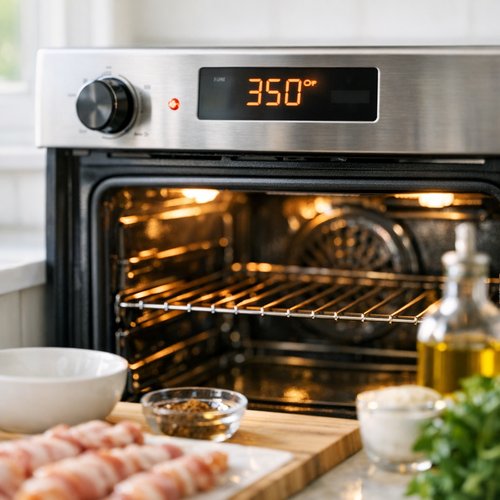
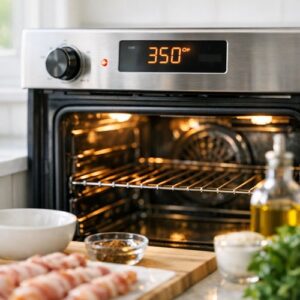
Start by preheating your oven to 350°F. This temperature is deliberately moderate—it’s hot enough to render bacon fat and develop the Maillard reaction on the chicken surface without creating a tough, overcooked exterior. While your oven reaches temperature, arrange your work surface with all ingredients visible. Pat your chicken tenders completely dry with paper towels. This step is critical because moisture on the surface inhibits browning; water molecules must evaporate before the temperature can rise high enough for the Maillard reaction to begin.
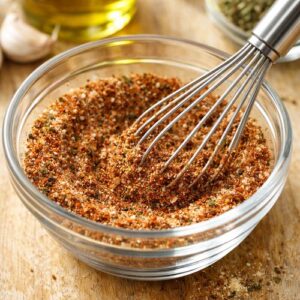
Step 2: Create Your Dry Spice Blend
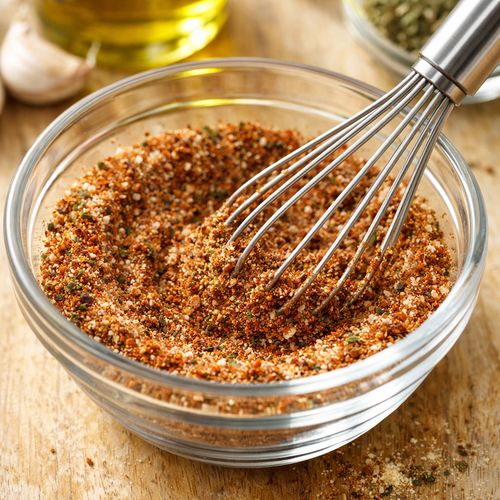
In a small bowl, combine your salt, paprika, black pepper, onion powder, Italian seasoning, and garlic powder. Whisk together thoroughly for about 30 seconds—this ensures even distribution when you apply it to the chicken. The goal is no visible clumps of any single spice. Why does this matter? Uneven seasoning creates pockets of intense flavor surrounded by bland spots. Professional cooks understand that seasoning should be invisible to the eye but obvious to the palate.
Step 3: Season Your Chicken Generously
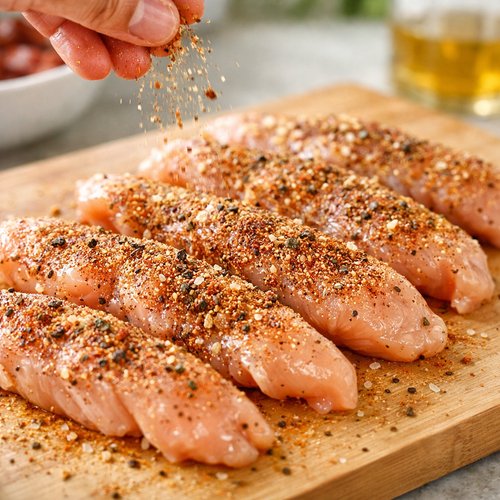
Place your dried chicken tenders on a clean cutting board. Here’s where most home cooks hesitate, and I want to encourage you to be bold: sprinkle your spice blend over the top surface of each tender, then flip and repeat on the bottom. Don’t sprinkle timidly—use the full amount, pressing gently so the spices adhere to the protein. The salt in your blend causes surface proteins to denature slightly, creating a “glue” that holds spices in place even as the chicken cooks and contracts.
Step 4: Wrap With Bacon Strategically
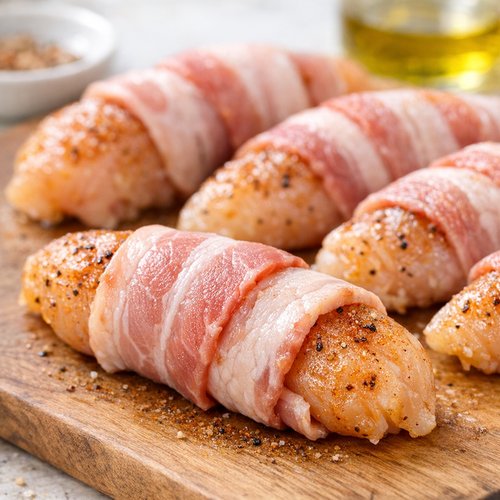
Take one half-strip of bacon and wrap it around the spiced chicken tender, tucking the end underneath so it stays secure. The bacon should spiral slightly, not sit flat—this creates more surface area contact with your chicken, which means more fat-based heat transfer and more of that rendered bacon fat basting the meat as it cooks. Each tender gets wrapped with one half-strip (meaning you’re using two half-lengths total per tender, which is exactly 10 half-strips for 10 tenders). The bacon’s salt content means your chicken is protected from drying while the fat keeps everything moist.
Step 5: Prepare and Apply Your Glaze
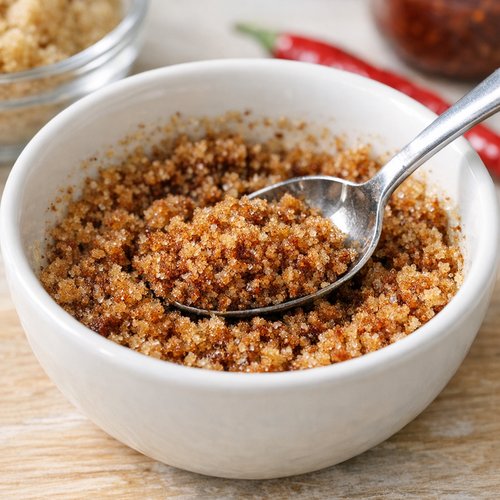
In another small bowl, combine your light brown sugar and chili powder. Mix thoroughly until the sugar has absorbed any clumping from the chili powder—brown sugar’s molasses content makes it slightly hygroscopic, meaning it attracts moisture from the spices and creates a more cohesive glaze. Now, generously coat each bacon-wrapped tender with this mixture on both sides. Here’s the professional secret: press the sugar mixture gently into the bacon using your fingertips. This isn’t just decorative—you’re forcing the sugar into the crevices of the bacon, where it will caramelize and create flavor complexity far beyond surface sweetness.
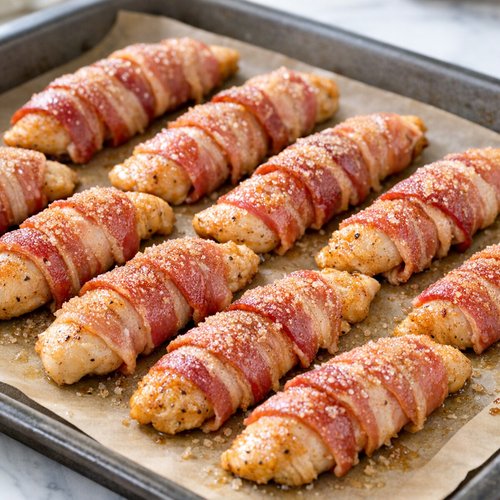
Step 6: Arrange on Pan and Bake
Line a grill pan or rimmed baking sheet with parchment paper or lightly oil it. Arrange your bacon-wrapped, sugar-coated chicken strips on the pan with about ½ inch between each piece. This spacing allows air to circulate and bacon to crisp rather than steam. Place in your preheated 350°F oven for 25 to 30 minutes. The internal temperature of your chicken should reach 165°F when measured at the thickest point with an instant-read thermometer—this is the USDA-established food safety standard.
At the 25-minute mark, check your bacon’s crispness. If it’s still quite soft, you have options: continue baking for another 2-3 minutes, or switch your oven to broil for the final 2-3 minutes to develop extra crispness. The broil method uses direct, intense heat from above, which accelerates browning without additional time. Watch carefully—broiling can go from perfect to burnt in seconds.
Step 7: Rest and Serve
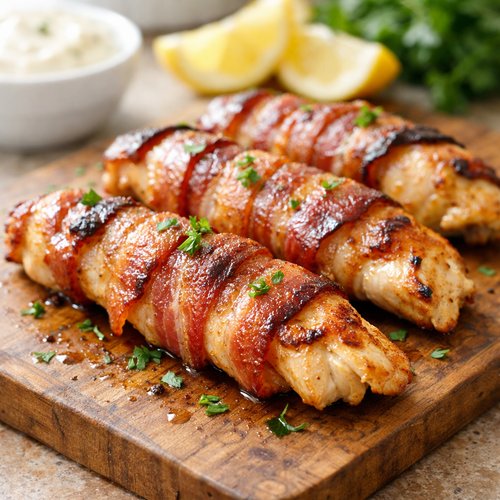
Remove from the oven and let rest for 3-5 minutes. This resting period allows carryover cooking to finish the interior while the exterior sets, and it gives the proteins time to reabsorb some of their internal juices. Serve piping hot, garnished with fresh minced parsley if desired. The parsley’s chlorophyll and fresh aromatics cut through the richness beautifully and add visual appeal.
Professional Tips From the Kitchen
- Pat your chicken completely dry before seasoning – moisture on the surface prevents Maillard browning and causes steam instead of sear. I use paper towels and sometimes let the tenders sit uncovered in the refrigerator for 15 minutes after patting to allow surface moisture to evaporate completely
- Use room-temperature chicken when possible – cold chicken takes longer to cook, which means the exterior can overcook while the center is still undercooked. Remove from refrigeration 15 minutes before cooking
- Invest in an instant-read thermometer – I cannot overstate how this changes your cooking confidence. Chicken breast dries out quickly above 165°F, but stays juicy at exactly 165°F. A $15 thermometer eliminates guessing
- Press your glaze mixture into the bacon manually – don’t just sprinkle. Your fingertips compress the sugar into the bacon’s texture, creating more caramelization during cooking
- Line your pan with parchment paper – cleanup is easier, and parchment prevents sticking without requiring added oil that would affect browning
Ingredient Substitutions and Their Impact
- Turkey bacon → Regular pork bacon: Turkey bacon is leaner (about 35% less fat), so your glaze will be less rich and the chicken slightly drier. However, it reduces overall saturated fat by approximately 2 grams per serving. Regular bacon creates a more luxurious mouthfeel and deeper smoky flavor
- Light brown sugar → Coconut sugar: Coconut sugar has a lower glycemic index (about 35 versus 64 for brown sugar) and adds subtle caramel notes. The texture of your glaze will be slightly less cohesive because coconut sugar is drier; add 1 teaspoon of honey or molasses to compensate
- Chili powder → Smoked paprika: You’ll lose the heat and gain deeper smoke flavor. The result tastes more sophisticated but less vibrant; use equal amounts by volume
- Chicken tenders → Chicken thighs (bone-in, skin-on): Thighs are fattier and more forgiving, staying juicy even if slightly overcooked. They’ll require about 10 additional minutes of cooking time due to increased thickness. You’ll need more bacon (about ½ strip per thigh)
- Italian seasoning → Fresh herbs (basil, oregano, thyme): Use triple the amount (1½ teaspoons) since fresh herbs contain less concentrated flavor. Add them during the final 5 minutes of cooking to preserve volatile aromatics
Dietary Adaptations
For low-carb or keto diets: The brown sugar and chili powder combination adds approximately 8-10 grams of carbohydrates per serving. To adapt, replace the sugar glaze with a mixture of 2 tablespoons unsalted butter melted with 1 teaspoon Dijon mustard, 1 teaspoon smoked paprika, and ½ teaspoon cayenne. Brush this onto the bacon-wrapped chicken instead of the sugar mixture. Your result will be savory rather than sweet-savory, with carbohydrate content dropping to under 2 grams per serving.
For gluten-free diets: This recipe is naturally gluten-free, assuming your spice blends are certified gluten-free. Check your Italian seasoning and chili powder labels, as some brands use additives. All other ingredients are inherently gluten-free.
For dairy-free eating: This recipe contains no dairy, so no adaptation is needed.
For a vegan or vegetarian version: Replace chicken with firm tofu slices (pressed to remove excess moisture and cut into tender-sized strips) or thick slices of cauliflower steak. Replace bacon with smoked tempeh strips or store-bought vegan bacon. The cooking time for tofu remains 25-30 minutes; cauliflower may require 35-40 minutes. The nutritional profile changes significantly—you’ll lose the complete protein from chicken but gain plant-based alternatives with different mineral compositions.
Can I Store Bacon Wrapped Chicken Strips Recipe?
Yes, and this is where meal prep brilliance lives. I recommend storing these in an airtight container rather than simply covering them with plastic wrap—the container prevents moisture loss and protects against flavor absorption from other foods in your refrigerator.
Refrigerator storage: Properly stored bacon-wrapped chicken strips last for 3-4 days. The moisture content and rendered fat actually help them stay juicy during storage. I actually find they taste excellent cold or reheated, which makes them perfect for quick lunches.
Freezer storage: These freeze beautifully for up to 3 months. Freeze them in a single layer on a baking sheet for 2-3 hours before transferring to a freezer-safe bag—this prevents them from clumping together. To reheat from frozen, place on a parchment-lined baking sheet and bake at 350°F for 18-22 minutes until heated through and bacon recrisps.
Reheating: I prefer reheating in a 325°F oven for 8-10 minutes rather than microwave, which can make the bacon rubbery. If you must microwave, use 50% power and check every 30 seconds.
Nutrition Information
Per serving (one chicken tender with bacon and glaze, based on 10 servings):
- Calories: 285
- Protein: 28g (this represents complete essential amino acid profile from poultry)
- Fat: 12g (approximately 4g saturated from bacon rendering, 7g from rendered fat infusion into chicken)
- Carbohydrates: 9g (from brown sugar glaze and spice blend sugars)
- Fiber: 0.5g (from spice blends)
- Sodium: 480mg (from salt, bacon curing, and spices combined)
- Calcium: 22mg
- Iron: 1.2mg
This nutrition profile represents what USDA database calls a “protein-primary” meal. The protein-to-calorie ratio is excellent—you’re getting approximately 39% of calories from protein, which supports satiety and muscle maintenance. The fat content, while modest in overall terms, comes primarily from bacon rendering, which contains monounsaturated and saturated fats in roughly equal proportions. The carbohydrates are concentrated in the glaze rather than distributed throughout, which means they create a flavor peak without significantly impacting blood sugar response if served with fiber-rich side dishes.
What Can I Serve With Bacon Wrapped Chicken Strips Recipe
The sweet-savory glaze on these chicken strips pairs beautifully with foods that provide textural contrast and slight acidity. From a food pairing science perspective, we’re looking for complementary flavors that balance the richness without competing with the caramelized sweetness.
I always consider side dishes as supporting actors in a play—they highlight rather than overshadow the star. These bacon-wrapped strips need partners that offer brightness, crunch, or creamy substance.
- Roasted Brussels sprouts with garlic – the bitter-umami compounds in Brussels sprouts create a beautiful counterpoint to the sweet glaze, while their caramelized exterior echoes the chicken’s browning
- Cornbread – the natural sweetness and corn’s starch provide a pleasant texture bridge between the savory-sweet chicken and vegetable sides; this pairing dates back centuries in Southern cooking traditions
- Green salad with sharp vinaigrette – acidity from vinegar cuts through the bacon fat beautifully; I recommend a 3:1 ratio of oil to vinegar with Dijon mustard for emulsification
- Broccoli and cauliflower casserole – creamy texture and sulfurous vegetable compounds provide sophisticated contrast without overwhelming the palate
- Roasted sweet potato – the natural sweetness complements the glaze without competing; starchy texture helps balance the richness of bacon fat
- Quinoa pilaf with herbs – light, nutty flavor provides neutral support while the complete protein content from quinoa creates a more nutritionally balanced plate overall
Make-Ahead and Meal Prep Guide
As a registered dietitian who works with busy families, I’ve developed a meal prep approach for this recipe that saves enormous amounts of time during the week.
Prep stage (2 days ahead): Pat your chicken tenders dry and store them in an airtight container with a paper towel between each layer. Prepare your spice blend in a small container—it will keep in an airtight container for up to 2 weeks. Measure out your sugar-chili powder glaze into a separate small container.
Assembly stage (morning of cooking): Season your chicken, wrap with bacon, and apply the glaze. Arrange on a parchment-lined baking sheet. Cover loosely with plastic wrap and refrigerate for up to 8 hours. Cold chicken will take an additional 3-5 minutes to cook through, so adjust your baking time to 30-35 minutes.
Full cooking ahead (recommended for weekly meal prep): Prepare the recipe completely as written, cool to room temperature, then refrigerate in airtight containers for up to 4 days. Reheat at 325°F for 8-10 minutes until bacon recrisps and chicken is warm throughout.
Common Mistakes to Avoid
Mistake 1: Skipping the chicken drying step. I see this constantly in home kitchens. Wet chicken steams rather than sears, preventing the Maillard reaction that creates flavor. The solution is simple: pat thoroughly with paper towels, then let sit uncovered on a plate in the refrigerator for 15-30 minutes. The cold air naturally evaporates surface moisture.
Mistake 2: Wrapping bacon too loosely. If your bacon wrapper has gaps or sits flat against the chicken, it doesn’t render properly and won’t crisp. The solution: wrap firmly enough that the bacon spirals slightly around the chicken, and tuck the end underneath so it’s held by gravity and the chicken’s shape.
Mistake 3: Not pressing the sugar mixture into the bacon. If you simply sprinkle the brown sugar and chili powder mixture on top, it falls off during cooking. You must press it gently with your fingertips into the bacon’s texture. This is the difference between a 7-out-of-10 result and a 10-out-of-10 result.
Mistake 4: Cooking at too high a temperature. I frequently see home cooks rushing the process by baking at 400°F or higher. This creates a burnt exterior while the interior remains undercooked. The moderate 350°F temperature is deliberate—it allows the bacon to render slowly and the chicken to cook through gently while the glaze caramelizes.
Seasonal Variations
Spring adaptation: Replace Italian seasoning with fresh tarragon and lemon zest (add 1 teaspoon lemon zest to your spice blend). Tarragon’s anise-like notes brighten the dish without overwhelming the palate. Serve with asparagus roasted with garlic. The citrus-poultry-spring vegetable combination feels lighter while maintaining richness.
Summer adaptation: Reduce brown sugar by 2 tablespoons and add 1 tablespoon balsamic vinegar to your glaze mixture. This creates more savory-sophisticated flavor that pairs beautifully with grilled vegetables and fresh corn. The vinegar’s acidity feels refreshing in warmer weather.
Fall adaptation: Add ½ teaspoon ground cinnamon and ¼ teaspoon ground cloves to your spice blend. Keep the full brown sugar amount—fall cooking embraces warmth and sweetness. Serve alongside roasted root vegetables and winter squash. This variation feels more substantial, aligning with seasonal appetite changes.
Winter adaptation: Increase chili powder to 2½ tablespoons and add ¼ teaspoon cayenne pepper. This creates warming heat that feels appropriate in cold months. Serve with creamy mashed cauliflower or traditional mashed potatoes. The heat-richness balance satisfies winter’s comfort food cravings.

Bacon Wrapped Chicken Strips Recipe
Ingredients
Method
- Start by preheating your oven to 350°F. This temperature is deliberately moderate—it's hot enough to render bacon fat and develop the Maillard reaction on the chicken surface without creating a tough, overcooked exterior. While your oven reaches temperature, arrange your work surface with all ingredients visible. Pat your chicken tenders completely dry with paper towels. This step is critical because moisture on the surface inhibits browning; water molecules must evaporate before the temperature can rise high enough for the Maillard reaction to begin.
- In a small bowl, combine your salt, paprika, black pepper, onion powder, Italian seasoning, and garlic powder. Whisk together thoroughly for about 30 seconds—this ensures even distribution when you apply it to the chicken. The goal is no visible clumps of any single spice. Why does this matter? Uneven seasoning creates pockets of intense flavor surrounded by bland spots. Professional cooks understand that seasoning should be invisible to the eye but obvious to the palate.
- Place your dried chicken tenders on a clean cutting board. Here's where most home cooks hesitate, and I want to encourage you to be bold: sprinkle your spice blend over the top surface of each tender, then flip and repeat on the bottom. Don't sprinkle timidly—use the full amount, pressing gently so the spices adhere to the protein. The salt in your blend causes surface proteins to denature slightly, creating a "glue" that holds spices in place even as the chicken cooks and contracts.

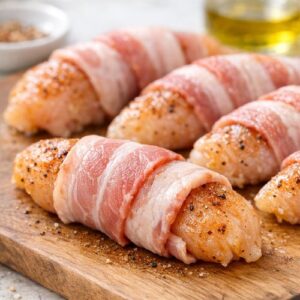
- Take one half-strip of bacon and wrap it around the spiced chicken tender, tucking the end underneath so it stays secure. The bacon should spiral slightly, not sit flat—this creates more surface area contact with your chicken, which means more fat-based heat transfer and more of that rendered bacon fat basting the meat as it cooks. Each tender gets wrapped with one half-strip (meaning you're using two half-lengths total per tender, which is exactly 10 half-strips for 10 tenders). The bacon's salt content means your chicken is protected from drying while the fat keeps everything moist.
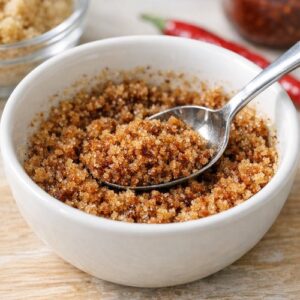
- In another small bowl, combine your light brown sugar and chili powder. Mix thoroughly until the sugar has absorbed any clumping from the chili powder—brown sugar's molasses content makes it slightly hygroscopic, meaning it attracts moisture from the spices and creates a more cohesive glaze. Now, generously coat each bacon-wrapped tender with this mixture on both sides. Here's the professional secret: press the sugar mixture gently into the bacon using your fingertips. This isn't just decorative—you're forcing the sugar into the crevices of the bacon, where it will caramelize and create flavor complexity far beyond surface sweetness.
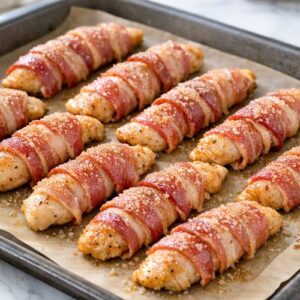
- Line a grill pan or rimmed baking sheet with parchment paper or lightly oil it. Arrange your bacon-wrapped, sugar-coated chicken strips on the pan with about ½ inch between each piece. This spacing allows air to circulate and bacon to crisp rather than steam. Place in your preheated 350°F oven for 25 to 30 minutes. The internal temperature of your chicken should reach 165°F when measured at the thickest point with an instant-read thermometer—this is the USDA-established food safety standard. At the 25-minute mark, check your bacon's crispness. If it's still quite soft, you have options: continue baking for another 2-3 minutes, or switch your oven to broil for the final 2-3 minutes to develop extra crispness. The broil method uses direct, intense heat from above, which accelerates browning without additional time. Watch carefully—broiling can go from perfect to burnt in seconds.
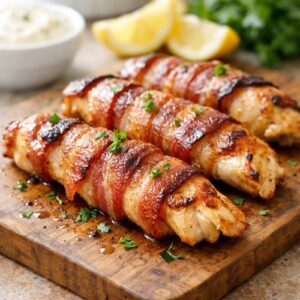
- Remove from the oven and let rest for 3-5 minutes. This resting period allows carryover cooking to finish the interior while the exterior sets, and it gives the proteins time to reabsorb some of their internal juices. Serve piping hot, garnished with fresh minced parsley if desired. The parsley's chlorophyll and fresh aromatics cut through the richness beautifully and add visual appeal.
Notes
FAQs
Can I make these ahead of time and freeze them uncooked?
Yes, absolutely—this is one of my favorite make-ahead techniques. After you’ve seasoned, wrapped, and glazed your chicken strips, arrange them in a single layer on a parchment-lined baking sheet and freeze for 2-3 hours until solid. Transfer to a freezer-safe bag with as much air removed as possible. They’ll keep for up to 3 months. To cook from frozen, place them on a parchment-lined baking sheet and bake at 350°F for 35-40 minutes until the internal temperature reaches 165°F. The additional time accounts for the fact that they’re starting from frozen—the cooking process is otherwise identical, and your glaze will still caramelize beautifully.
Why is my bacon still soft after baking?
This typically means one of two things: either your oven temperature is actually lower than 350°F (oven thermometers are inexpensive and incredibly revealing—many home ovens run 25-50 degrees cooler than the dial indicates), or you need additional crisping time. If you want very crispy bacon, use the broil setting for the final 2-3 minutes of cooking. Watch carefully, though—the difference between perfectly crispy and burnt is seconds. An instant-read thermometer ensures your chicken is done before you add broiling time.
Can I use boneless, skinless chicken breasts instead of tenders?
Yes, with one important modification: butterfly your chicken breasts horizontally to create thinner cutlets (about ½-inch thick), or pound them to that thickness using a meat mallet. This brings their cooking time closer to 25-30 minutes rather than the 35-40 minutes whole breasts would require. The wrapping and glazing technique is identical. Thinner pieces cook more evenly, preventing overcooked edges with undercooked centers.
Is there a way to reduce the sugar content significantly?
Absolutely. Replace the ⅔ cup brown sugar with ¼ cup brown sugar plus 2 tablespoons Dijon mustard and 1 tablespoon apple cider vinegar. This creates a tangy-sweet glaze with significantly less sugar (carbohydrates drop from 9g to approximately 3g per serving) while maintaining complexity. The mustard’s pungency and vinegar’s acidity replace the sweetness as your primary flavor notes. The glaze will be thinner and less sticky, which actually allows the bacon to crisp more effectively.
How do I know if my chicken is actually done without cutting into it?
This is where an instant-read thermometer becomes invaluable. Insert it into the thickest part of the largest chicken tender, making sure it doesn’t touch bone or pan. When it reads 165°F, you’re done. If you don’t have a thermometer, cut into the thickest piece and check that the interior is completely white with no pink, and that juices run clear. However, I genuinely encourage you to invest in a $15 thermometer—it removes all guessing and dramatically improves your cooking success rate.
Can I double this recipe for meal prep?
Yes, and I do this regularly for workshop demonstrations. Double all ingredients and arrange the chicken strips on two baking sheets instead of one (overcrowding prevents proper browning). The cooking time remains 25-30 minutes as long as you space them properly. Store in two airtight containers for convenience, and they’ll keep for 3-4 days in the refrigerator or up to 3 months frozen. The recipes scales beautifully because the ratio of spice to protein to bacon to glaze stays consistent.
More Recipes You’ll Love
- Beef Rib Recipe – a showstopping main course with similar spice-forward flavor and perfectly rendered fat
- Beefsteak Tomato Sauce Recipe – creates a beautiful accompaniment to bacon-wrapped chicken for more sophisticated plating
- Coconut Curry Shrimp – offers similar protein-forward cooking with complementary international flavor profiles
I hope this recipe becomes one of your trusted weeknight heroes. Cooking—real cooking, where you understand why each step matters—transforms from obligation into genuine joy. This bacon wrapped chicken strips recipe represents exactly that: technique you can understand, ingredients you can pronounce, and results that make your family ask for seconds. You have all the knowledge now: the science behind each step, the professional techniques that separate good from great, and the flexibility to adapt based on your preferences and dietary needs.
When you serve these golden, crispy-edged strips to the people you love, you’re not just serving dinner. You’re sharing confidence, care, and the kind of everyday elegance that comes from knowing exactly what you’re doing. Start with the basic recipe, master the technique, then play with seasonal variations and flavor adaptations. This is how home cooks become confident cooks.
Enjoy!