This post contains affiliate links. As an Amazon Associate I earn from qualifying purchases.
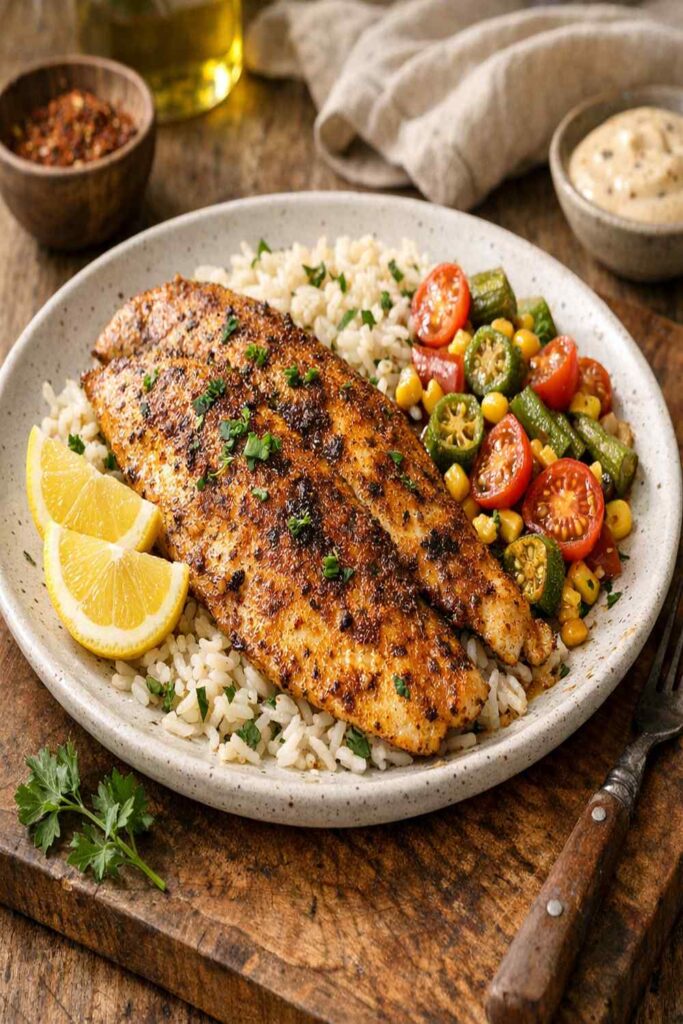
Getting kids to eat Cajun flounder feels impossible—until you try this approach. Most parents I talk to struggle with getting their children excited about seafood, and I get it. Fish can feel intimidating to cook, and picky eaters often resist anything “fancy.” But this recipe? It’s a game-changer. The mild, flaky flounder pairs beautifully with a creamy Cajun-inspired sauce that tastes indulgent without being heavy. I’ve watched countless families transform their dinner tables with this dish, and you’re about to join them.
Cajun Flounder Recipe the Whole Family Will Actually Eat (Picky Eaters Included)
I’ll never forget the first time I made this flounder dish for my nephew, Marcus. He was seven years old and refused anything “too spicy” or “too fishy.” My sister was convinced he’d push his plate away. But when I brought that golden, spice-crusted flounder to the table with its velvety cream sauce, something magical happened. He asked for seconds. His little sister, who normally survived on plain pasta, did the same thing.
That moment reminded me why I became a dietitian in the first place—it’s not about forcing nutrition down anyone’s throat. It’s about creating dishes so genuinely delicious that kids want to eat them. This Cajun flounder does exactly that. The seasonings are warm and inviting rather than harsh, the fish stays incredibly tender, and that cream sauce ties everything together in a way that makes every bite feel special.
Why Kids Love This Version
When I developed this recipe, I thought carefully about what actually appeals to children, not just what’s “good for them.” This flounder recipe hits every mark: the texture is soft and easy to eat, the flavors are sophisticated but not overwhelming, and the presentation makes kids feel like they’re eating something restaurant-worthy.
- Gentle Spice Profile – The paprika, chili powder, and a touch of cayenne create warmth and depth without making anyone’s mouth burn. Kids can taste real Cajun flavor without the intensity that makes picky eaters shut down.
- Creamy Sauce Acts as a Safety Net – Many children who resist fish do so because of texture concerns. This silky cream sauce makes every bite feel luxurious and helps the fish go down smoothly, making the whole experience more comfortable.
- Interactive Plating – When kids help layer their own components (quinoa, fish, sauce), they become invested in the meal. Suddenly it’s not something being served to them—it’s something they created.
- Beautiful Presentation – Let’s be honest: kids eat with their eyes first. This dish looks fancy and restaurant-quality, which makes children feel special and more willing to try something new.
How to Get Kids Involved in Making This
Cooking together is where the real magic happens. This dish offers multiple entry points for different ages, which means your whole family can participate. When children help prepare their meals, they’re far more likely to eat them—I’ve seen this proven hundreds of times in my practice.
- Ages 3-5: Measuring and Mixing – Little ones can help measure out the dry seasonings into a small bowl and use a fork to mix them together. This gives them ownership without safety concerns. Keep them away from the hot stove, and let them watch the fish go into the oven from a safe distance.
- Ages 6-9: Seasoning the Fish – School-age children can help pat the fish dry with paper towels, then use their fingers to coat both sides of the flounder fillets with the spice mixture. This hands-on involvement makes them feel like real chefs. They can also help measure ingredients for the cream sauce and stir ingredients in a cold pan before you turn on the heat.
- Ages 10+: Real Cooking Responsibilities – Older kids can actually help make the cream sauce under supervision. They can sauté the onions and celery, whisk together the roux (flour and butter), and carefully add the cream and other ingredients. This teaches real cooking skills while building confidence in the kitchen.
The Ingredients – Hidden Nutrition, Visible Deliciousness
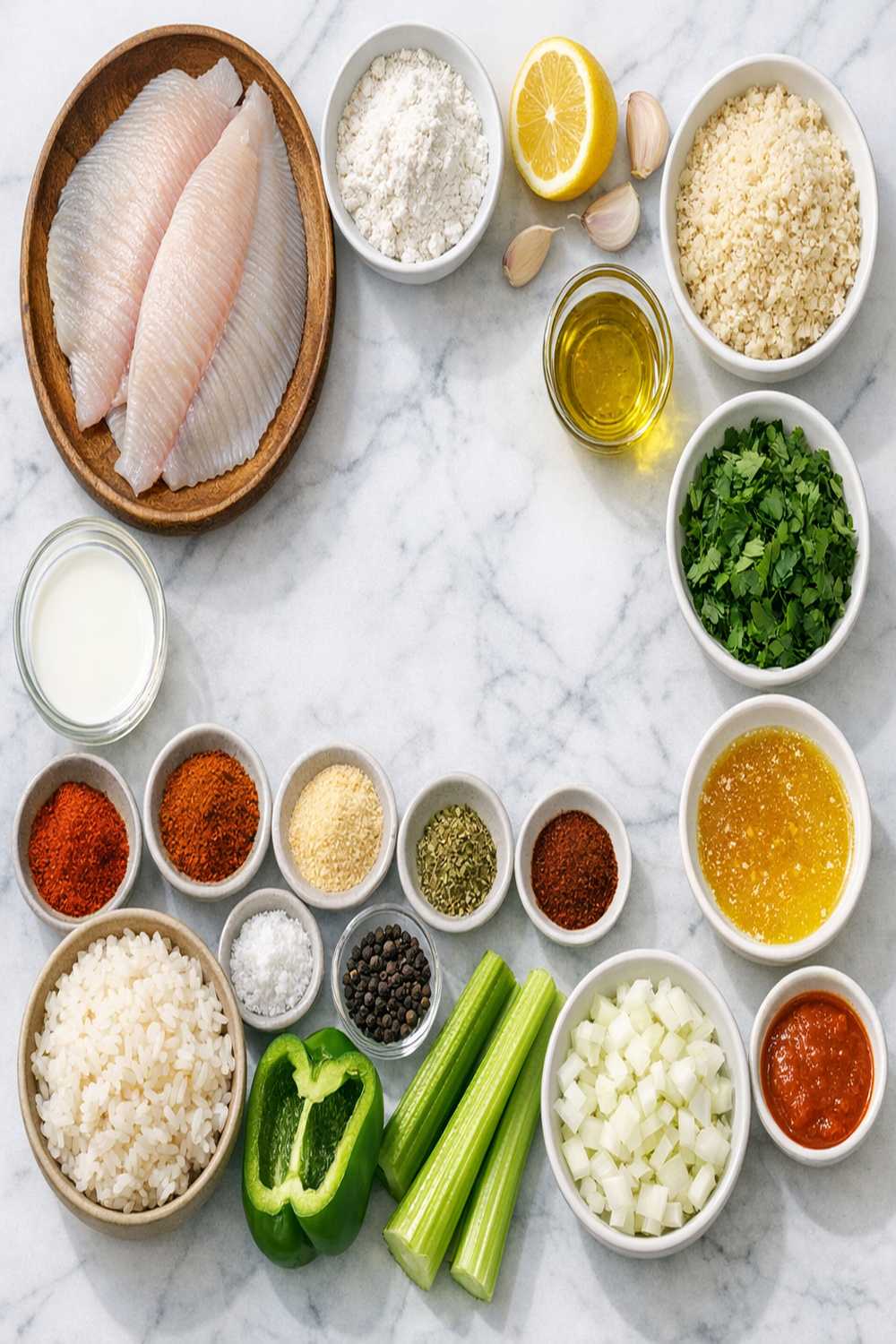
One of my favorite things about this recipe is how much nutrition you’re getting into a single plate without any of it feeling forced. The flounder itself is lean protein, rich in omega-3 fatty acids that support brain development and heart health. The onions and celery in the sauce add fiber and prebiotics. The cream sauce might sound indulgent, but it actually contains fat-soluble vitamins from the butter and cheese that help with nutrient absorption. And that quinoa base? It’s a complete protein with all nine essential amino acids.
For the Fish and Seasoning Blend
- ½ teaspoon black pepper (freshly ground tastes better, but ground is fine)
- 1/8 cup extra virgin olive oil (seals in the seasonings while the fish bakes)
- 1 teaspoon Creole seasoning (the heart of our Cajun flavor profile)
- ½ teaspoon dried oregano (adds an herbal note kids often enjoy)
- 1 pound flounder fillets (look for wild-caught when possible, thinner fillets cook more evenly)
- ½ teaspoon garlic powder (pre-ground works fine for this application)
- 2 teaspoons paprika (adds depth and a subtle smoky sweetness)
- ¼ teaspoon ground cayenne pepper (goes easy on the heat—you can reduce this if needed)
- 2 teaspoons chili powder (provides warmth without overwhelming heat)
- ¼ teaspoon Himalayan salt or sea salt (enhances all the other seasonings)
For the Creamy Cajun Sauce
- ½ cup diced celery (adds subtle veggie flavor without being obvious)
- 3 teaspoons minced garlic (fresh is best, but jarred works in a pinch)
- ½ cup diced onion (finely chopped so kids don’t notice chunks)
- 1 cup chicken broth (use low-sodium to control salt content)
- ¼ teaspoon salt (adjust based on your broth’s sodium level)
- ½ cup heavy whipping cream (full-fat creates the best texture and mouthfeel)
- 2 teaspoons hot sauce of choice (optional—use your favorite brand or adjust to taste)
- ½ cup dry white wine (the acidity balances the richness beautifully—can substitute with more broth if preferred)
- 4 tablespoons unsalted butter (the foundation of any good sauce)
- ½ teaspoon ground thyme (dried thyme works perfectly here)
- ⅓ cup grated Parmesan cheese (adds umami that kids instinctively enjoy)
- ½ teaspoon black pepper (matches the fish seasoning for consistency)
- 4 tablespoons all-purpose flour (creates the roux that thickens the sauce)
- 1 teaspoon fresh lemon juice (brightens all the flavors)
- 1 teaspoon white wine and garlic butter seasoning or herbal blend
For Serving
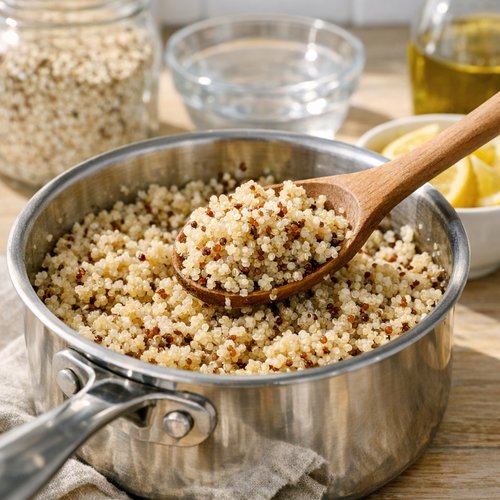
- 1 cup cooked quinoa (prepare according to package directions, or use a boil-in-bag variety for convenience)
Serves 4 people | Prep time: 15 minutes | Cook time: 25 minutes | Total time: 40 minutes
How to Make Cajun Flounder Recipe for the Whole Family
I’m going to walk you through this step-by-step in a way that makes sense for a busy family kitchen. Throughout the process, I’ll point out exactly where your kids can jump in and help. The beauty of this recipe is that it’s fast enough for a weeknight but feels special enough for company—and it comes together while your oven does most of the work for you.
Step 1: Prepare Your Quinoa (Optional But Recommended)
While you’re getting everything else ready, start your quinoa if you haven’t already. I recommend having kids do this step—it’s simple, safe, and they’ll feel invested in the meal from the start. Use either boxed quinoa (the boil-in-bag packets work beautifully and take the same time as the fish), or cook it loose according to package directions. Most quinoa takes about 15 minutes, which lines up perfectly with your baking time. Set the finished quinoa aside in a warm spot. Make sure children know that the pot of boiling water is extremely hot and they should stay back while it cooks.
Step 2: Mix Your Spice Blend and Season the Fish
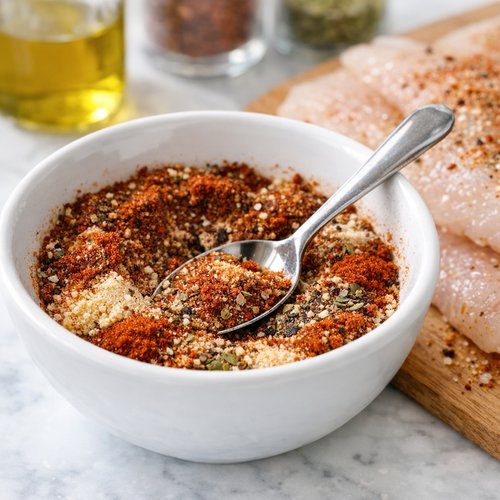
In a small bowl, combine all your dry seasonings: paprika, chili powder, Creole seasoning, garlic powder, black pepper, oregano, cayenne pepper, and salt. This is the perfect job for younger children—they can measure and mix while you prepare everything else. Let them smell the seasonings and tell you what they notice. The paprika should smell warm and slightly sweet. Explain that these flavors create the “Cajun” part of our dish.
Pat your flounder fillets completely dry with paper towels—this helps the seasonings stick and the fish cook more evenly. Now comes the fun part: let the kids help coat both sides of each fillet with the spice mixture. Their fingers work better than anything else for this job. Make sure every side is covered with a thin, even layer of the seasoning blend. This is where the magic happens—these simple seasonings are about to create something restaurant-quality.
Step 3: Oil the Fish and Prepare for Baking
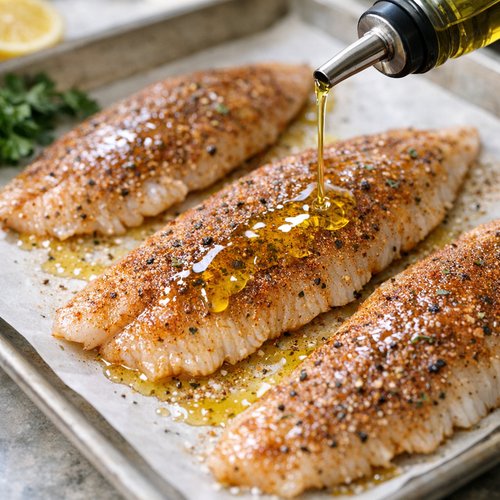
Drizzle the olive oil over both sides of each seasoned flounder fillet, using about ⅛ cup total. The oil does two things: it helps seal in the seasonings so they don’t wash off, and it keeps the fish moist as it bakes. Gently rub the oil into the spice coating so everything adheres beautifully.
Line a baking sheet with parchment paper or lightly grease it, then arrange your oiled and seasoned flounder fillets in a single layer. Try not to overlap them—each piece needs room for heat to circulate. At this point, be clear with children that the oven will get very hot and they should not touch it without an adult’s help.
Step 4: Bake the Fish at 350°F
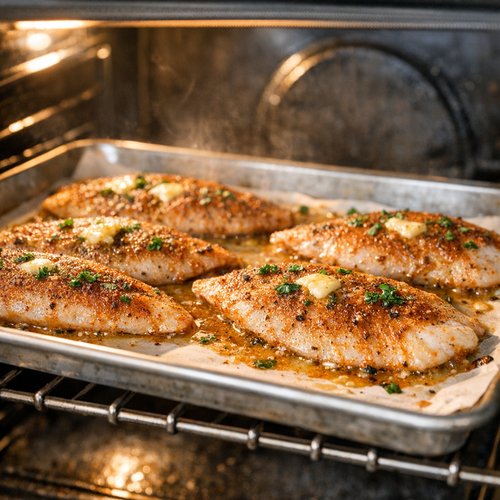
Pop your baking sheet into a preheated 350°F oven and set a timer for 12 minutes. Flounder is a delicate white fish, and it doesn’t need long. You’ll know it’s done when it flakes easily with a fork and is opaque throughout. The flesh should still be moist—don’t overbake or it becomes dry and unappetizing. This is the perfect time to start your sauce, which I’ll explain in the next step.
Step 5: Prepare Your Vegetables and Start the Cream Sauce Base
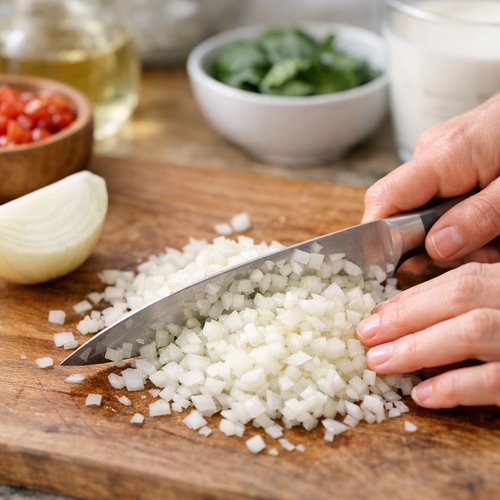
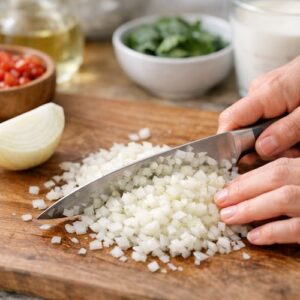
While the fish bakes, you’ll create the silky sauce that ties everything together. This is where older children can really help. Finely chop your onion and celery into small, even pieces—if chunks are visible in the sauce, picky eaters will pick them out, so make them tiny. If you have a food processor, pulse the onion and celery together until they’re finely minced.
In a medium saucepan over medium heat, melt your 4 tablespoons of butter. Once it’s foaming, add your minced onion, diced celery, and minced garlic. Stir constantly and cook for about 5 minutes, until the vegetables have softened and become fragrant. Keep children back from this pot as the butter will be hot and can splatter. You’re looking for the vegetables to become translucent and slightly golden—this base of vegetables creates incredible flavor depth that kids will taste but won’t be able to identify, which is exactly what we want.
Once the vegetables are soft, sprinkle the 4 tablespoons of all-purpose flour over the top and stir constantly for about 1-2 minutes. This creates a roux—the flour and butter combination that will thicken your sauce into something luxuriously creamy. It should smell a little bit nutty, not raw or floury. This is a foundational cooking technique, and if you have kids old enough, explaining what’s happening helps them understand real cooking science.
Step 6: Build Your Sauce with Broth, Wine, and Cream
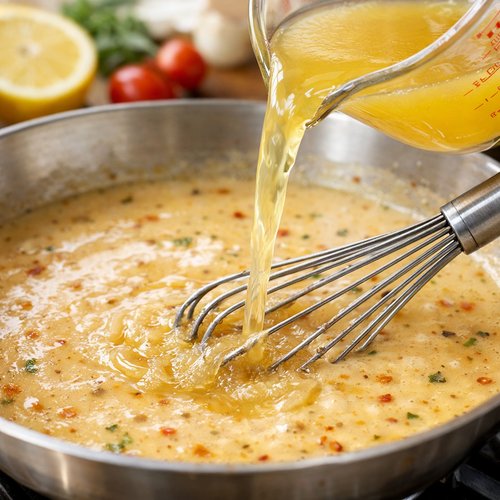
Slowly pour in your chicken broth while stirring constantly. This prevents lumps from forming—if you dump it all in at once, you’ll get a lumpy sauce that no amount of stirring will fix. Once the broth is incorporated, add your dry white wine. The acidity of the wine is important because it balances the richness of the cream and adds brightness to the overall flavor. If you prefer not to use wine, simply use an additional half cup of chicken broth instead—the sauce will still be delicious.
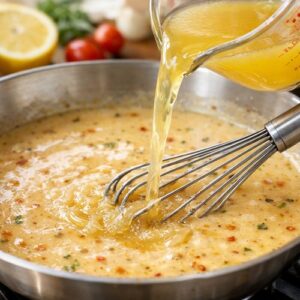
Reduce the heat to low and let this simmer gently for about 5 minutes, stirring occasionally. You should see it thicken slightly as the flour does its job. Then add your heavy whipping cream, grated Parmesan cheese, lemon juice, hot sauce (if using), herbal seasoning, thyme, black pepper, and salt. Stir well to combine everything, and let it cook on low heat for another 10 minutes, stirring occasionally.
The sauce should become silky, thick enough to coat the back of a spoon, and absolutely beautiful. Taste it and adjust seasoning as needed—this is where you get to make it your own. Prefer less spice? Use less hot sauce. Want more brightness? Add another squeeze of lemon. Always taste test carefully with a clean spoon and let it cool slightly before tasting if you’ve just removed it from heat.
Step 7: Plate Your Masterpiece
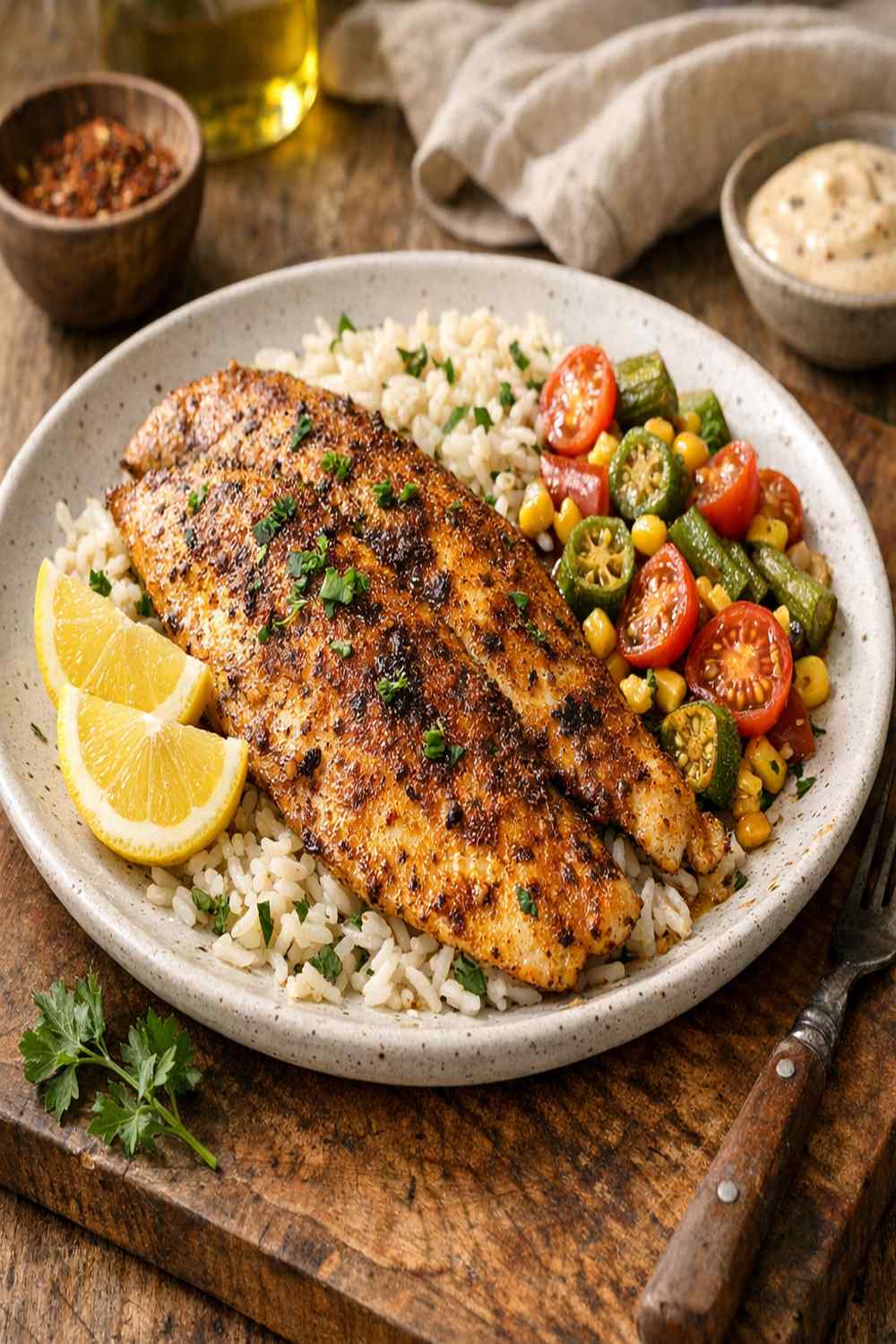
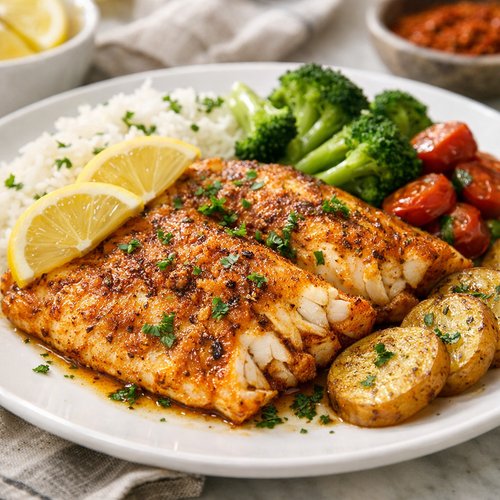
By now, your flounder should be perfectly done—opaque, flaky, and fragrant with Cajun spices. Remove it from the oven and let it rest for just a minute. If you’re using the quinoa base, spoon about ¼ cup onto each plate first. The quinoa creates a beautiful, nutritious foundation and adds visual interest.
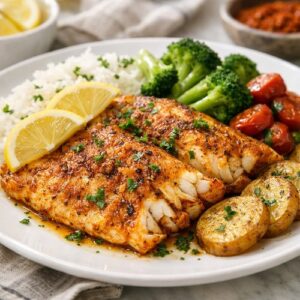
Carefully place one flounder fillet on top of the quinoa (or directly on the plate if you’re skipping the grain). Pour a generous amount of your creamy Cajun sauce over the top, letting it cascade down the sides. The contrast between the spiced fish, the creamy sauce, and the fluffy quinoa is visually stunning—and kids are much more likely to eat something that looks this good.
Customization Station: Let Everyone Build Their Own
Here’s a professional tip I’ve learned from years of working with families: when kids feel they have control over their plate, they eat better. Instead of plating everything yourself, try setting up a customization station where family members can assemble their own bowls. This transforms the meal from “Mom/Dad made this for me” into “I made this meal.”
- The Base Options – Set out cooked quinoa, regular white rice, or even plain pasta. Let everyone choose their foundation. Some kids might want just the fish with sauce and skip the grain entirely. That’s perfectly fine and shows they’re exploring their preferences.
- Sauce Temperature and Amount – Some kids like sauce generously applied; others prefer it on the side for dipping. Have the sauce in a bowl so people can control how much they use. This is especially helpful for texture-sensitive eaters who might not want everything mixed together.
- Optional Toppings – Set out a sprinkle of extra Parmesan, fresh parsley, or lemon wedges. Let people customize. You could also offer a tiny pinch of additional hot sauce for anyone who wants more heat, keeping the base dish mild enough for sensitive palates.
- Side Component Choices – Maybe some family members want steamed broccoli alongside, while others want a simple salad. Having choices removes the power struggle that often comes with dinner.
Scaling for Different Family Sizes
The basic recipe serves 4 people, which is what I’ve designed it around. But your family might be different, so let me walk you through the math so you can adjust confidently.
For 2 People (Half the Recipe): Use ½ pound flounder fillets, cut all seasonings in half (1 teaspoon paprika, 1 teaspoon chili powder, etc.), reduce the sauce ingredients to 2 tablespoons butter, 2 tablespoons flour, ¼ cup onion, ¼ cup celery, and so on. The cooking time stays the same—12 minutes at 350°F. You’ll have leftover sauce, which is perfect because it keeps beautifully and tastes amazing on tomorrow’s vegetables or grilled chicken.
For 6 People (1.5 Times the Recipe): Use 1.5 pounds flounder fillets (about 6 fillets), increase all seasonings by 1.5 times (3 teaspoons paprika, 3 teaspoons chili powder, 1.5 teaspoons Creole seasoning, etc.), and scale all sauce ingredients proportionally. You might need to bake the fish in two batches if your baking sheet isn’t large enough, or use two baking sheets. The sauce can all be made at once in the same pan—just stir frequently and extend the final cooking time to about 12-15 minutes to ensure everything heats through completely.
For 8 People (Double the Recipe): Use 2 pounds flounder fillets, double all seasonings and sauce ingredients, and definitely use two baking sheets for the fish. The sauce might need an extra 2-3 minutes of cooking time at the end to reach the right consistency. Keep warm on very low heat while you finish with the fish.
Can I Store Cajun Flounder Recipe?
Yes, and this is where the recipe becomes even more practical for busy families. I recommend storing the fish and sauce separately if possible, which keeps the fish from becoming soggy, but combined storage works fine too.
Refrigerator Storage: Place leftover flounder and sauce in an airtight container and refrigerate for up to 3 days. The fish is best eaten within 2 days for optimal texture, but it’s safe to keep for 3 days. Reheat gently in a 300°F oven for about 10 minutes, covered with foil to prevent drying, or warm in the microwave in 30-second intervals, checking between each one.
Freezer Storage: You can freeze the cooked flounder and sauce together in a freezer-safe container for up to 2 months. The fish texture will be slightly less delicate after thawing, but it’s still delicious. Thaw overnight in the refrigerator and reheat as directed above.
Lunchbox Tip: Cold flounder with sauce is actually wonderful for school lunches. Pack it in an insulated lunchbox with an ice pack, and it’ll stay fresh all day while becoming almost like a composed salad. Kids often prefer it cold, and it’s a sophisticated lunch that beats a sandwich every time.
Don’t Freeze the Quinoa with the Fish: If you’re adding quinoa, freeze it separately. Quinoa doesn’t freeze particularly well—it becomes mushy. Fresh or refrigerated quinoa is better. I usually cook fresh quinoa on the morning of eating the leftover fish.
Nutrition Information
Let me break down what’s actually happening nutritionally when your family eats this dish, because understanding the benefits makes it easier to serve with confidence.
Per Serving (flounder, sauce, and quinoa base):
Calories: approximately 420 | Protein: 42g | Carbohydrates: 24g | Fat: 16g | Fiber: 4g | Sodium: 680mg
Why This Matters for Growing Bodies: Flounder is one of my favorite white fish for families with picky eaters because it’s extremely lean—most of the calories come from high-quality protein that supports muscle development and recovery. Kids need about 0.5 to 0.7 grams of protein per pound of body weight daily, and a single serving of this dish provides a huge chunk of that requirement.
The omega-3 fatty acids in flounder (EPA and DHA) are absolutely crucial for brain development and cognitive function. According to USDA nutritional data, even lean fish like flounder contains meaningful amounts of these essential fats. Research consistently shows that children who consume adequate omega-3s perform better on cognitive tests and have better attention spans—real benefits your child takes home every single day.
The cream sauce, while rich-sounding, is actually balanced nutritionally. The fat helps absorb fat-soluble vitamins (A, D, E, and K), and the Parmesan adds calcium for bone development and strength. Kids ages 4-8 need 1,000mg of calcium daily, and this dish contributes meaningfully to that goal. The combination of butter fat and the seafood protein creates satiety—kids feel full longer and are less likely to ask for snacks an hour after dinner.
The quinoa base adds complete protein (containing all 9 essential amino acids), fiber for digestive health, and magnesium for muscle function and energy production. If you skip the quinoa, the dish is still nutritionally complete and actually lower in carbohydrates—perfect if you have a child who’s on a specific dietary plan.
For Context: According to USDA dietary guidelines, children ages 4-8 need approximately 1,200-1,400 calories daily, with recommended protein ranging from 12-20 grams. This single meal provides excellent protein density without excess calories, making it a genuinely nutritious choice your pediatrician would approve of.
Expert’s Nutritional Tip: Understanding Umami
Here’s something I learned early in my dietetics training that changed how I cook for picky eaters: the ingredient that makes kids actually want to eat vegetables and fish is umami—sometimes called the “fifth taste.” It’s a savory depth that makes food taste more delicious and satisfying.
In this recipe, the umami comes from three sources: the Parmesan cheese (aged cheeses are naturally high in glutamates, the compounds that create umami), the chicken broth, and the combination of sautéed onions and garlic. These three elements work together to create such a satisfying flavor that kids don’t need heavy cream or excess salt to enjoy the dish. This is why even texture-sensitive children often accept this flounder—the umami makes it taste intrinsically “good” to their developing palates, rather than feeling like they’re eating something they “should” like.
Common Mistakes to Avoid
I’ve seen families try this recipe in my practice, and I want to save you from the pitfalls I’ve watched happen most often. These are small things, but they make a big difference between a good dish and an absolutely stellar one.
- Overcooking the Flounder: This is the number-one mistake. Flounder is delicate, and 12 minutes at 350°F is exactly right. Even 2-3 extra minutes makes it dry and mealy, which will turn any kid off fish permanently. Use a timer and pull it out as soon as it flakes easily. If you’re worried it’s not done, remember that fish continues cooking slightly from residual heat after you remove it from the oven.
- Not Patting the Fish Dry: Wet fish won’t brown properly, and the seasonings won’t adhere well. Always pat it completely dry with paper towels before seasoning. This is a detail that seems small but actually makes the texture and flavor significantly better.
- Adding Cream Too Hot: If your roux and broth mixture is boiling when you add the cream, the cream can break or separate. Always reduce heat to low before adding cream, stir constantly, and let it cook gently. This ensures a silky, unified sauce rather than something with a weird broken appearance.
- Over-Seasoning the Spice Crust: It’s tempting to load the fish heavily with seasoning, but a thin, even layer is actually better than a thick crust. You want the seasonings to enhance the fish, not overwhelm it. If you use more than the recipe calls for, it becomes more about the spices than the delicate fish itself.
Seasonal Variations: Keep This Recipe Fresh All Year
One of my favorite things about this recipe is how adaptable it is to whatever’s in season. The base stays the same, but small changes keep it feeling new and exciting throughout the year.
Spring Version: In spring, I add fresh asparagus or snap peas to the plate alongside the fish. I’ll steam them separately and arrange them artfully. I also swap the cream sauce’s herbs—instead of thyme, I use fresh tarragon or chervil, which feel bright and seasonal. A squeeze of fresh lemon becomes even more important in spring when everything feels lighter.
Summer Version: Summer is when I’m most likely to skip the quinoa entirely and serve the flounder over a composed salad with fresh greens, cucumber, and heirloom tomatoes. The warm, spiced fish against cool, crisp vegetables is absolutely magical. I’ll reduce the amount of cream sauce slightly and use it more as a drizzle, letting the freshness of the vegetables shine. Fresh herbs like basil or cilantro become more prominent.
Fall Version: As we move into fall, I start adding roasted root vegetables—carrots, parsnips, maybe some beets. They pair beautifully with the Cajun spices. I also increase the heat slightly (a bit more cayenne), as that warmth feels right in cooler weather. Thyme becomes a more prominent herb, and I might add a pinch of smoked paprika for extra depth.
Winter Version: In winter, I love serving this over creamy mashed cauliflower or regular mashed potatoes instead of quinoa. The warmth and richness feel appropriate for the season. I might add roasted Brussels sprouts or broccoli on the side. The sauce gets slightly more generous, and I sometimes add a tiny pinch of nutmeg to the sauce base, which creates incredible warmth without being noticeable.
Make-Ahead Guide: Preparing This for Busy Weeknights
As a dietitian working with real families, I know that “easy weeknight dinner” is often an oxymoron. But with smart prep-ahead strategies, this flounder dish can genuinely come together in under 15 minutes on the night you serve it.
1 Day Before: Make your spice blend and store it in a small airtight container. Chop your onions and celery, store them separately in airtight containers in the refrigerator. They’ll be ready to go when you need them. You can also make your cream sauce completely the day before—store it in an airtight container in the refrigerator and reheat it gently (on the stovetop over low heat, stirring frequently) right before serving. The flavors actually deepen when the sauce sits overnight.
Morning Of: If you have access to a kitchen at work or school, cook your quinoa in the morning and keep it in an insulated container. If not, use the boil-in-bag packets on the evening of—they take the same time as the fish. Remove your flounder from the refrigerator about 15 minutes before cooking so it comes to close to room temperature—this helps it cook evenly.
30 Minutes Before Dinner: Preheat your oven to 350°F. Pat your flounder dry, season it with your pre-made spice blend, oil it, and place it on a prepared baking sheet. If your sauce was made the day before, start reheating it gently on the stovetop. Get your quinoa going if you haven’t already. By the time you’ve done all this, you’re ready to pop the fish in the oven and actually relax for 12 minutes—no last-minute rushing.
What to Serve Alongside for a Complete Family Meal
The flounder with quinoa is actually a complete meal nutritionally, but I understand that kids often want more on their plate—both for appetite satisfaction and because variety helps with picky eating. Here are my favorite sides that complement this dish without competing with it.
- Steamed Broccoli with Garlic: The subtle garlic flavor complements the Cajun spices without overwhelming delicate palates. Kids are more likely to eat broccoli when it tastes like something (garlic, a squeeze of lemon, a touch of butter) rather than nothing. You could also try this with our crispy hushpuppies if you want something more indulgent alongside.
- Simple Green Salad with Lemon Vinaigrette: The acidity of the dressing pairs beautifully with the rich cream sauce and spiced fish. Let kids choose their own salad components from a small buffet—some might want just lettuce, others might want tomatoes and cucumbers. The choice helps them engage with the meal.
- Roasted Vegetables (seasonal): Root vegetables in winter, bell peppers and zucchini in summer. Roasting brings out natural sweetness, and the caramelization appeals to kids who might resist raw vegetables. Toss with just a little olive oil and salt—you don’t want competing seasonings.
- Crusty Bread or Dinner Rolls: Not everything needs to be a “healthy” side. Bread helps kids who are still developing their adventurous eating feel secure having something familiar on their plate. They can use it to soak up the amazing sauce.
If you’re planning dessert, I’d recommend something light and refreshing rather than heavy. After that rich, creamy sauce, most people want a palate cleanser. A simple chocolate pudding would be lovely, or fresh fruit with a yogurt dip works beautifully.

Cajun Flounder Recipe
Ingredients
Method
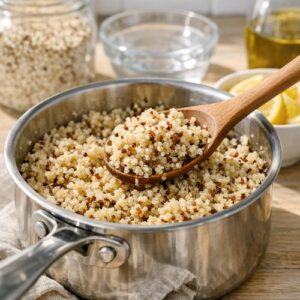
- While you're getting everything else ready, start your quinoa if you haven't already. I recommend having kids do this step—it's simple, safe, and they'll feel invested in the meal from the start. Use either boxed quinoa (the boil-in-bag packets work beautifully and take the same time as the fish), or cook it loose according to package directions. Most quinoa takes about 15 minutes, which lines up perfectly with your baking time. Set the finished quinoa aside in a warm spot. Make sure children know that the pot of boiling water is extremely hot and they should stay back while it cooks.
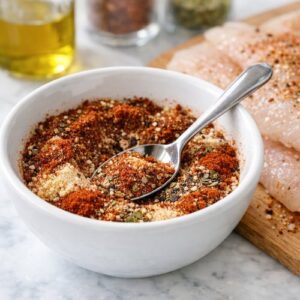
- In a small bowl, combine all your dry seasonings: paprika, chili powder, Creole seasoning, garlic powder, black pepper, oregano, cayenne pepper, and salt. This is the perfect job for younger children—they can measure and mix while you prepare everything else. Let them smell the seasonings and tell you what they notice. The paprika should smell warm and slightly sweet. Explain that these flavors create the "Cajun" part of our dish. Pat your flounder fillets completely dry with paper towels—this helps the seasonings stick and the fish cook more evenly. Now comes the fun part: let the kids help coat both sides of each fillet with the spice mixture. Their fingers work better than anything else for this job. Make sure every side is covered with a thin, even layer of the seasoning blend. This is where the magic happens—these simple seasonings are about to create something restaurant-quality.
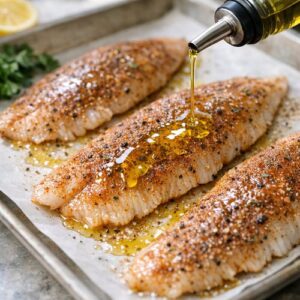
- Drizzle the olive oil over both sides of each seasoned flounder fillet, using about ⅛ cup total. The oil does two things: it helps seal in the seasonings so they don't wash off, and it keeps the fish moist as it bakes. Gently rub the oil into the spice coating so everything adheres beautifully. Line a baking sheet with parchment paper or lightly grease it, then arrange your oiled and seasoned flounder fillets in a single layer. Try not to overlap them—each piece needs room for heat to circulate. At this point, be clear with children that the oven will get very hot and they should not touch it without an adult's help.
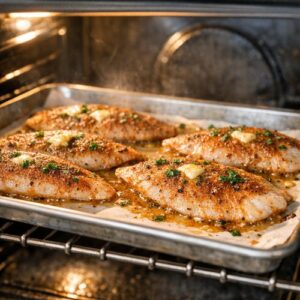
- Pop your baking sheet into a preheated 350°F oven and set a timer for 12 minutes. Flounder is a delicate white fish, and it doesn't need long. You'll know it's done when it flakes easily with a fork and is opaque throughout. The flesh should still be moist—don't overbake or it becomes dry and unappetizing. This is the perfect time to start your sauce, which I'll explain in the next step.
- While the fish bakes, you'll create the silky sauce that ties everything together. This is where older children can really help. Finely chop your onion and celery into small, even pieces—if chunks are visible in the sauce, picky eaters will pick them out, so make them tiny. If you have a food processor, pulse the onion and celery together until they're finely minced. In a medium saucepan over medium heat, melt your 4 tablespoons of butter. Once it's foaming, add your minced onion, diced celery, and minced garlic. Stir constantly and cook for about 5 minutes, until the vegetables have softened and become fragrant. Keep children back from this pot as the butter will be hot and can splatter. You're looking for the vegetables to become translucent and slightly golden—this base of vegetables creates incredible flavor depth that kids will taste but won't be able to identify, which is exactly what we want. Once the vegetables are soft, sprinkle the 4 tablespoons of all-purpose flour over the top and stir constantly for about 1-2 minutes. This creates a roux—the flour and butter combination that will thicken your sauce into something luxuriously creamy. It should smell a little bit nutty, not raw or floury. This is a foundational cooking technique, and if you have kids old enough, explaining what's happening helps them understand real cooking science.
- Slowly pour in your chicken broth while stirring constantly. This prevents lumps from forming—if you dump it all in at once, you'll get a lumpy sauce that no amount of stirring will fix. Once the broth is incorporated, add your dry white wine. The acidity of the wine is important because it balances the richness of the cream and adds brightness to the overall flavor. If you prefer not to use wine, simply use an additional half cup of chicken broth instead—the sauce will still be delicious. Reduce the heat to low and let this simmer gently for about 5 minutes, stirring occasionally. You should see it thicken slightly as the flour does its job. Then add your heavy whipping cream, grated Parmesan cheese, lemon juice, hot sauce (if using), herbal seasoning, thyme, black pepper, and salt. Stir well to combine everything, and let it cook on low heat for another 10 minutes, stirring occasionally. The sauce should become silky, thick enough to coat the back of a spoon, and absolutely beautiful. Taste it and adjust seasoning as needed—this is where you get to make it your own. Prefer less spice? Use less hot sauce. Want more brightness? Add another squeeze of lemon. Always taste test carefully with a clean spoon and let it cool slightly before tasting if you've just removed it from heat.
- By now, your flounder should be perfectly done—opaque, flaky, and fragrant with Cajun spices. Remove it from the oven and let it rest for just a minute. If you're using the quinoa base, spoon about ¼ cup onto each plate first. The quinoa creates a beautiful, nutritious foundation and adds visual interest. Carefully place one flounder fillet on top of the quinoa (or directly on the plate if you're skipping the grain). Pour a generous amount of your creamy Cajun sauce over the top, letting it cascade down the sides. The contrast between the spiced fish, the creamy sauce, and the fluffy quinoa is visually stunning—and kids are much more likely to eat something that looks this good.
Notes
FAQs
My child refuses anything that looks “fancy” or different from their normal foods. How do I introduce this dish without a meltdown?
This is so common, and I want to normalize it—kids often have legitimate anxiety about new foods. Don’t force it onto their plate as the meal. Instead, cook it for yourself and your partner, and let your child sit at the table and observe. Set some aside on a small plate without the sauce if they want to just look at or smell it. Exposure without pressure is the single most effective strategy for expanding children’s food acceptance. It might take 10-15 exposures before they even taste it, and that’s completely normal and healthy. Your job is to offer it; their job is to decide if they’ll eat it. When you remove the pressure, kids are actually more likely