
Ingredients
Method
Step 1: Prepare Your Quinoa (Optional But Recommended)
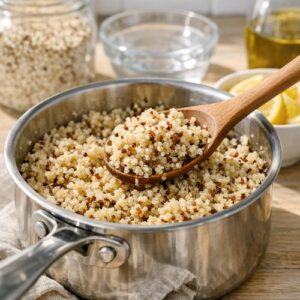
- While you're getting everything else ready, start your quinoa if you haven't already. I recommend having kids do this step—it's simple, safe, and they'll feel invested in the meal from the start. Use either boxed quinoa (the boil-in-bag packets work beautifully and take the same time as the fish), or cook it loose according to package directions. Most quinoa takes about 15 minutes, which lines up perfectly with your baking time. Set the finished quinoa aside in a warm spot. Make sure children know that the pot of boiling water is extremely hot and they should stay back while it cooks.
Step 2: Mix Your Spice Blend and Season the Fish
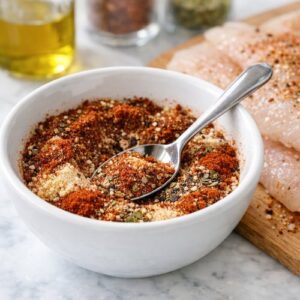
- In a small bowl, combine all your dry seasonings: paprika, chili powder, Creole seasoning, garlic powder, black pepper, oregano, cayenne pepper, and salt. This is the perfect job for younger children—they can measure and mix while you prepare everything else. Let them smell the seasonings and tell you what they notice. The paprika should smell warm and slightly sweet. Explain that these flavors create the "Cajun" part of our dish. Pat your flounder fillets completely dry with paper towels—this helps the seasonings stick and the fish cook more evenly. Now comes the fun part: let the kids help coat both sides of each fillet with the spice mixture. Their fingers work better than anything else for this job. Make sure every side is covered with a thin, even layer of the seasoning blend. This is where the magic happens—these simple seasonings are about to create something restaurant-quality.
Step 3: Oil the Fish and Prepare for Baking
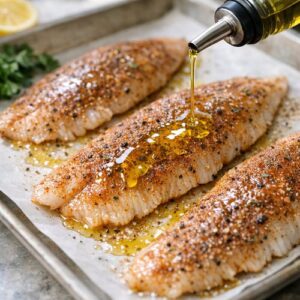
- Drizzle the olive oil over both sides of each seasoned flounder fillet, using about ⅛ cup total. The oil does two things: it helps seal in the seasonings so they don't wash off, and it keeps the fish moist as it bakes. Gently rub the oil into the spice coating so everything adheres beautifully. Line a baking sheet with parchment paper or lightly grease it, then arrange your oiled and seasoned flounder fillets in a single layer. Try not to overlap them—each piece needs room for heat to circulate. At this point, be clear with children that the oven will get very hot and they should not touch it without an adult's help.
Step 4: Bake the Fish at 350°F
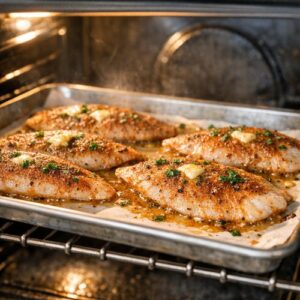
- Pop your baking sheet into a preheated 350°F oven and set a timer for 12 minutes. Flounder is a delicate white fish, and it doesn't need long. You'll know it's done when it flakes easily with a fork and is opaque throughout. The flesh should still be moist—don't overbake or it becomes dry and unappetizing. This is the perfect time to start your sauce, which I'll explain in the next step.
Step 5: Prepare Your Vegetables and Start the Cream Sauce Base
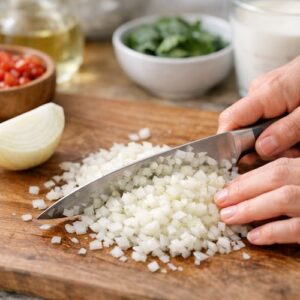
- While the fish bakes, you'll create the silky sauce that ties everything together. This is where older children can really help. Finely chop your onion and celery into small, even pieces—if chunks are visible in the sauce, picky eaters will pick them out, so make them tiny. If you have a food processor, pulse the onion and celery together until they're finely minced. In a medium saucepan over medium heat, melt your 4 tablespoons of butter. Once it's foaming, add your minced onion, diced celery, and minced garlic. Stir constantly and cook for about 5 minutes, until the vegetables have softened and become fragrant. Keep children back from this pot as the butter will be hot and can splatter. You're looking for the vegetables to become translucent and slightly golden—this base of vegetables creates incredible flavor depth that kids will taste but won't be able to identify, which is exactly what we want. Once the vegetables are soft, sprinkle the 4 tablespoons of all-purpose flour over the top and stir constantly for about 1-2 minutes. This creates a roux—the flour and butter combination that will thicken your sauce into something luxuriously creamy. It should smell a little bit nutty, not raw or floury. This is a foundational cooking technique, and if you have kids old enough, explaining what's happening helps them understand real cooking science.
Step 6: Build Your Sauce with Broth, Wine, and Cream
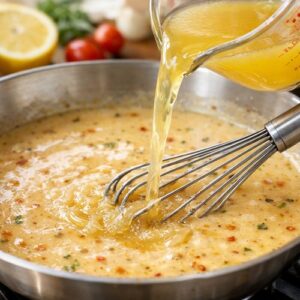
- Slowly pour in your chicken broth while stirring constantly. This prevents lumps from forming—if you dump it all in at once, you'll get a lumpy sauce that no amount of stirring will fix. Once the broth is incorporated, add your dry white wine. The acidity of the wine is important because it balances the richness of the cream and adds brightness to the overall flavor. If you prefer not to use wine, simply use an additional half cup of chicken broth instead—the sauce will still be delicious. Reduce the heat to low and let this simmer gently for about 5 minutes, stirring occasionally. You should see it thicken slightly as the flour does its job. Then add your heavy whipping cream, grated Parmesan cheese, lemon juice, hot sauce (if using), herbal seasoning, thyme, black pepper, and salt. Stir well to combine everything, and let it cook on low heat for another 10 minutes, stirring occasionally. The sauce should become silky, thick enough to coat the back of a spoon, and absolutely beautiful. Taste it and adjust seasoning as needed—this is where you get to make it your own. Prefer less spice? Use less hot sauce. Want more brightness? Add another squeeze of lemon. Always taste test carefully with a clean spoon and let it cool slightly before tasting if you've just removed it from heat.
Step 7: Plate Your Masterpiece
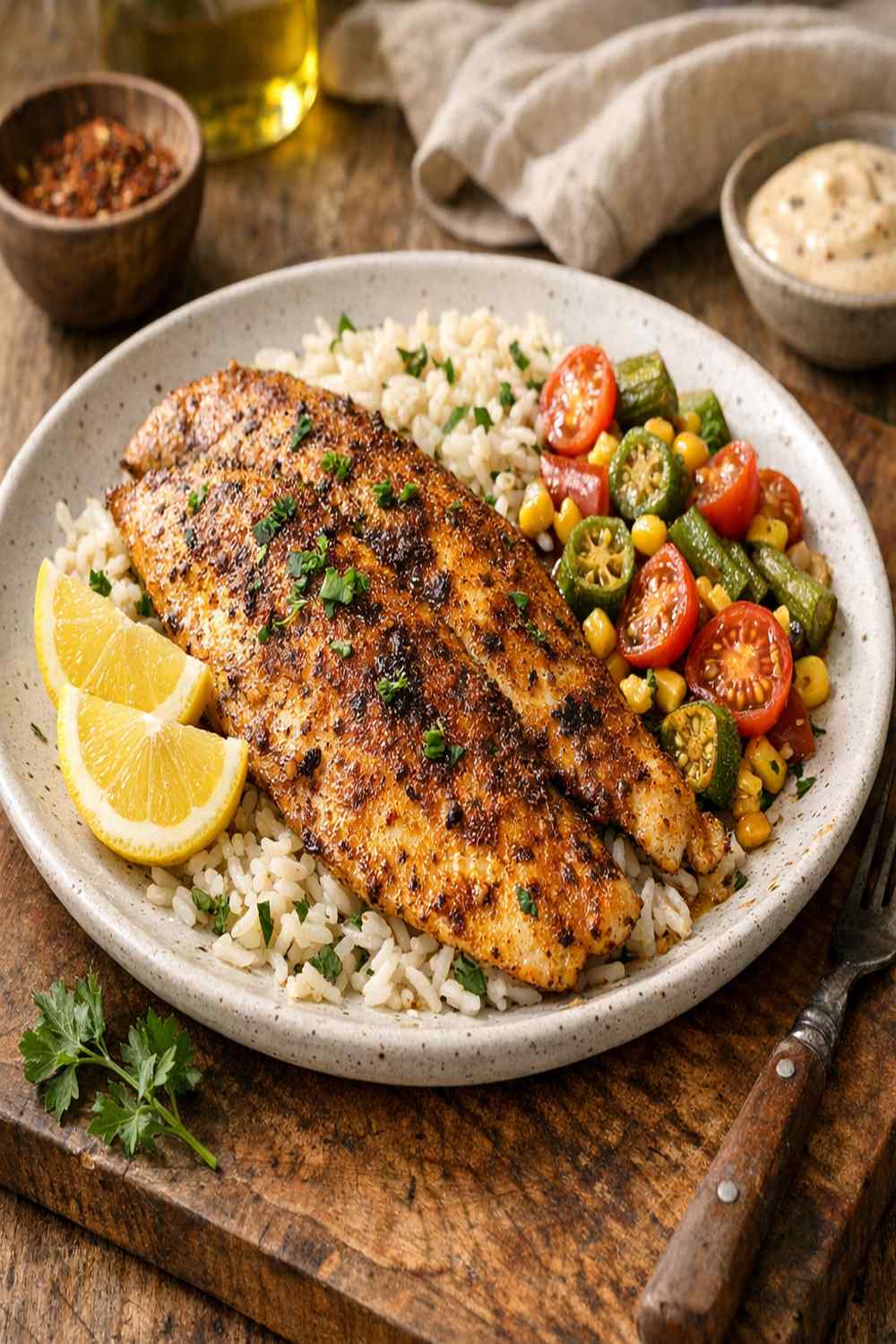
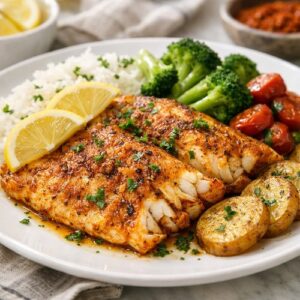
- By now, your flounder should be perfectly done—opaque, flaky, and fragrant with Cajun spices. Remove it from the oven and let it rest for just a minute. If you're using the quinoa base, spoon about ¼ cup onto each plate first. The quinoa creates a beautiful, nutritious foundation and adds visual interest. Carefully place one flounder fillet on top of the quinoa (or directly on the plate if you're skipping the grain). Pour a generous amount of your creamy Cajun sauce over the top, letting it cascade down the sides. The contrast between the spiced fish, the creamy sauce, and the fluffy quinoa is visually stunning—and kids are much more likely to eat something that looks this good.
Notes
- Overcooking the Flounder: This is the number-one mistake. Flounder is delicate, and 12 minutes at 350°F is exactly right. Even 2-3 extra minutes makes it dry and mealy, which will turn any kid off fish permanently. Use a timer and pull it out as soon as it flakes easily. If you're worried it's not done, remember that fish continues cooking slightly from residual heat after you remove it from the oven.
- Not Patting the Fish Dry: Wet fish won't brown properly, and the seasonings won't adhere well. Always pat it completely dry with paper towels before seasoning. This is a detail that seems small but actually makes the texture and flavor significantly better.
- Adding Cream Too Hot: If your roux and broth mixture is boiling when you add the cream, the cream can break or separate. Always reduce heat to low before adding cream, stir constantly, and let it cook gently. This ensures a silky, unified sauce rather than something with a weird broken appearance.
- Over-Seasoning the Spice Crust: It's tempting to load the fish heavily with seasoning, but a thin, even layer is actually better than a thick crust. You want the seasonings to enhance the fish, not overwhelm it. If you use more than the recipe calls for, it becomes more about the spices than the delicate fish itself.