This post contains affiliate links. As an Amazon Associate I earn from qualifying purchases.
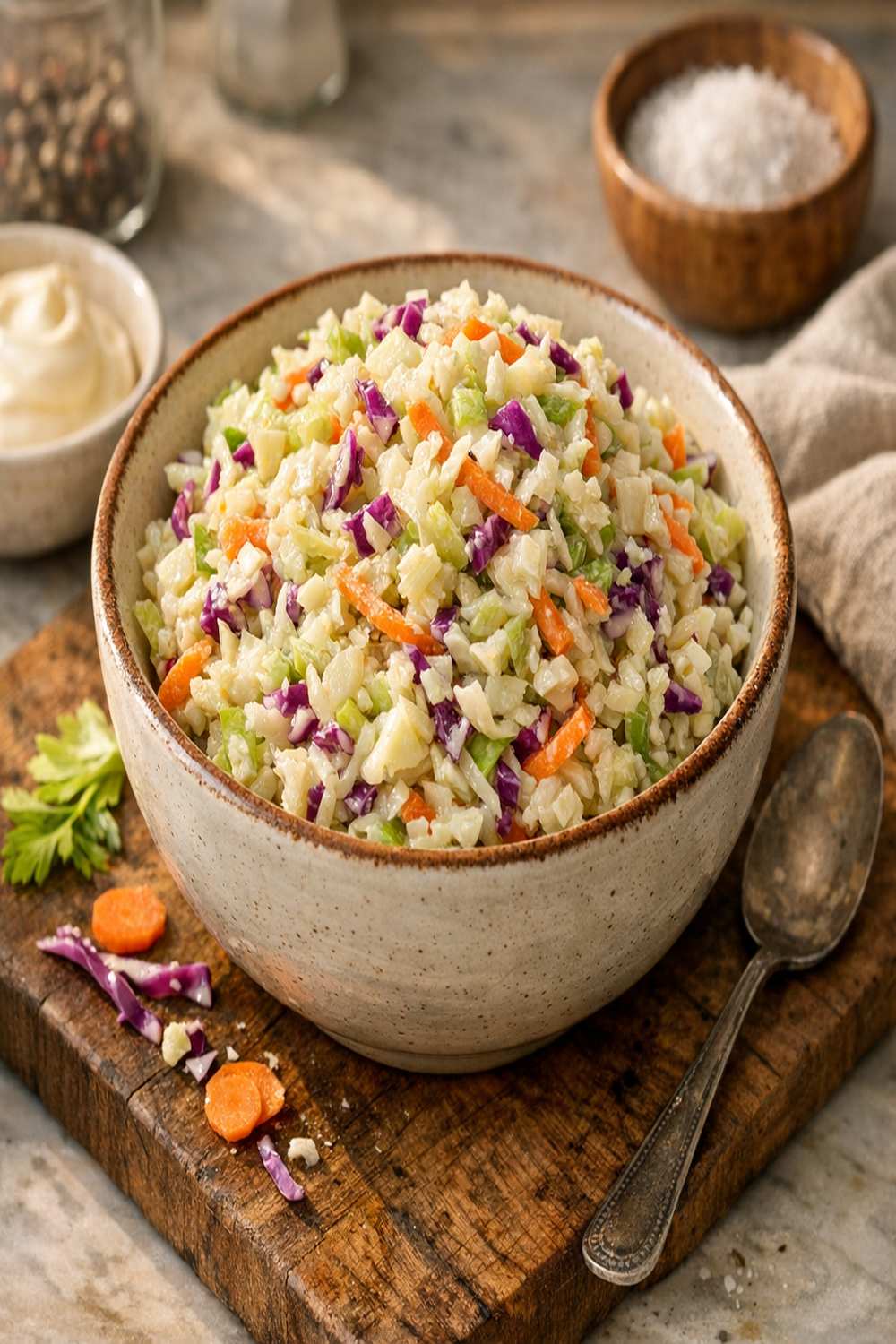
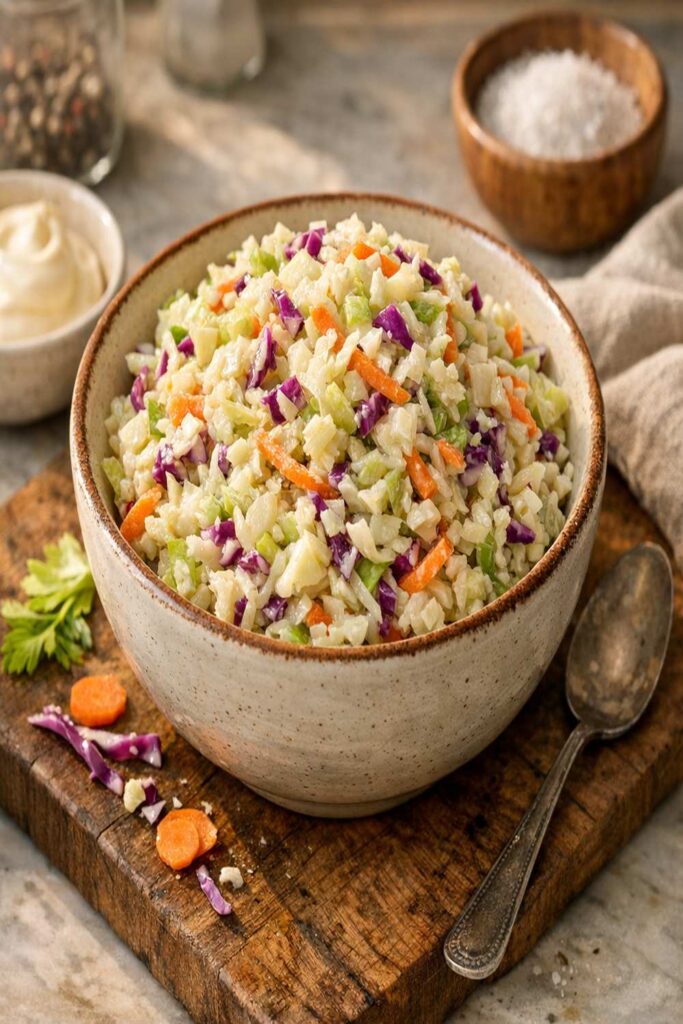
Every time I made coleslaw at home, it came out watery and bland—nothing like the crispy, tangy magic I’d get from my favorite local chicken shack. I’d follow recipes faithfully, chop everything carefully, and still end up with a sad, soggy mess by dinnertime. Sound familiar? After years working as a registered dietitian and studying what makes restaurant sides so craveable, I finally cracked the code. It turns out the difference between mediocre coleslaw and the kind that makes you scrape the bowl comes down to three things: knife work, the right ratio of creamy to tangy, and one simple overnight trick that changes everything.
Why Your Coleslaw Never Turns Out Right (And How to Fix It)
I’ve heard this frustration countless times from clients and friends: “I make coleslaw, but it’s never as good as what I get at restaurants.” The problem almost always traces back to one of two places. Either the vegetables are chopped too large and don’t absorb the dressing evenly, or the dressing itself is unbalanced—too heavy on mayo, not enough tang, or missing that subtle sweetness that makes people keep reaching for more. I spent time studying how chicken shack kitchens actually make their coleslaw, and the answer surprised me: they treat it with the same respect as any other dish, not as an afterthought.
What Makes This Chicken Shack Coleslaw Recipe Different?
The magic here lives in three specific places. First, the vegetables are minced incredibly fine—almost the size of rice grains. This isn’t just for looks; small pieces mean dramatically more surface area to absorb the dressing, so every single bite tastes consistent and flavorful. Second, the dressing combines three dairy components in precise ratios: mayonnaise for richness, whole milk for lightness, and buttermilk for tang. This combination creates a creamy base that doesn’t feel heavy, with enough acidity to brighten everything without overpowering it. Finally, overnight refrigeration isn’t optional—it’s essential. The vegetables soften slightly, the flavors marry together, and the dressing thickens as the cabbage releases its natural moisture. By serving time, you’ve got something far better than the sum of its parts.
Before You Start: What You Need to Know
Two critical pieces of knowledge will transform your results. The size of your vegetable cuts determines everything about texture and flavor distribution. Most home recipes call for “chopped” without specifying how fine, which leads people to cut pieces twice as large as they should be. When your cabbage pieces are too big, they don’t soften properly, and the dressing pools at the bottom instead of coating evenly. Second, the overnight rest isn’t just nice to have—it’s when the coleslaw actually becomes coleslaw. Many recipes suggest serving immediately, but that’s when it’s most watery and the flavors are still separate. Give it time, and the cabbage softens from the salt drawing out moisture, which then gets reabsorbed by the dressing along with all those beautiful flavors.
- Mince vegetables until they’re nearly rice-sized – This ensures even dressing distribution and proper texture development
- Always refrigerate overnight before serving – This prevents watery results and allows flavors to fully meld together
The Ingredients
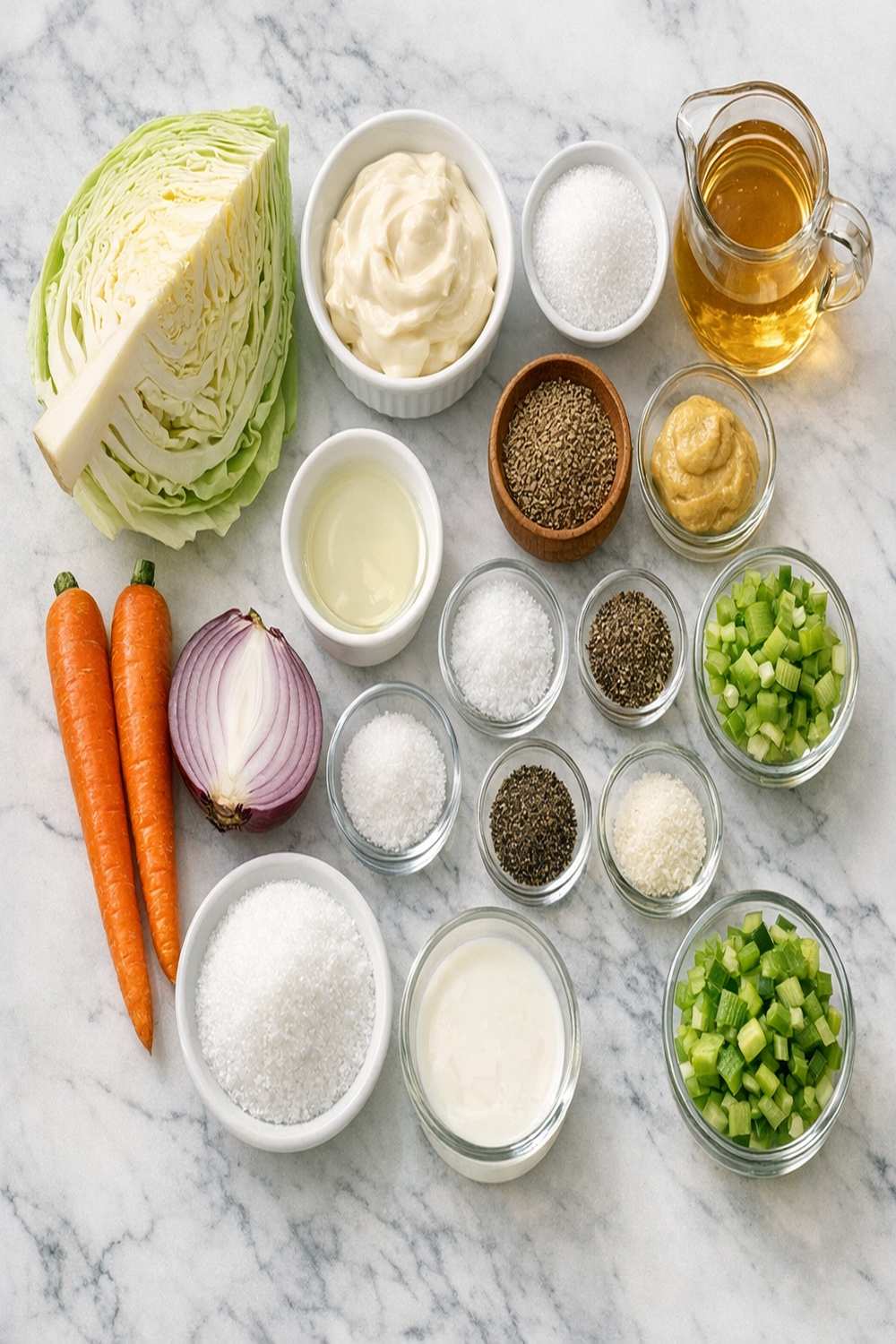
Every ingredient in this recipe earns its place. I’ve chosen each one based on what professional kitchens use and what actually works in a home kitchen. The cabbage is your base—mild and slightly sweet when cut fine. The carrot adds natural sweetness and beautiful color. The onion, minced almost to invisibility, provides an underlying savory note that makes people ask, “What’s in this?” without realizing they’re tasting onion. The dressing ingredients work together as a system: mayonnaise creates richness, sugar balances the tang, milk and buttermilk together create the perfect creamy-but-not-heavy texture, lemon juice brings bright acidity, apple cider vinegar adds complexity, and salt and pepper round everything out. I’ve also added a touch of fresh lemon zest to the traditional mix—it brightens the whole dish and keeps the flavors from feeling flat.
- ⅛ teaspoon freshly ground black pepper
- ½ cup mayonnaise (use quality mayo for better flavor)
- ½ teaspoon fresh lemon zest (brightens the whole dish)
- ½ teaspoon fine sea salt (adjust to taste at the end)
- ¼ cup carrot (finely minced for natural sweetness)
- ⅓ cup granulated sugar (dissolves easily and brightens the dressing)
- 1½ tablespoons apple cider vinegar (adds complexity and depth)
- ¼ cup whole milk (full-fat for creamier texture)
- 2½ tablespoons fresh lemon juice (squeezed, not bottled)
- 8 cups green and red cabbage (finely minced, about ⅛-inch pieces)
- 2½ tablespoons yellow onion (very finely minced, almost paste-like)
- ¼ cup buttermilk (adds tang without heaviness)
Makes 8-10 servings as a side dish
Step-by-Step: How to Make Chicken Shack Coleslaw Recipe Without Fail
I’ve walked through this recipe hundreds of times, and I promise you—once you understand the reasoning behind each step, you’ll never make bad coleslaw again. The process is straightforward, but the details matter. Let’s go through this together.
Step 1: Prepare Your Vegetables With Precision
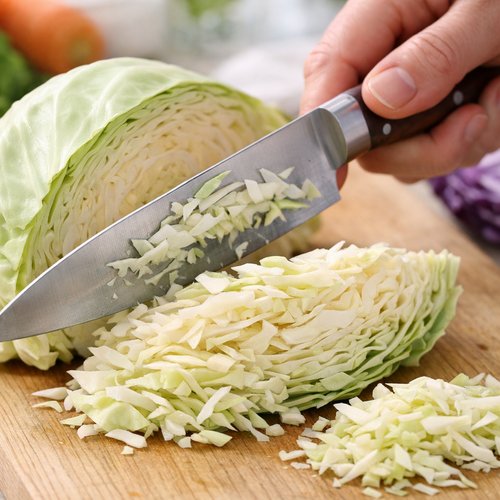
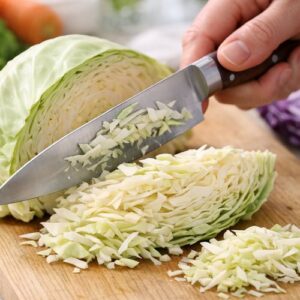
Take your head of cabbage and cut it into quarters lengthwise. Using a sharp chef’s knife, slice each quarter thinly first—about ¼-inch thick pieces. Then, carefully stack these thin slices and cut perpendicular to your first cuts, creating small squares. Continue this process, aiming for pieces roughly the size of a grain of rice. This takes patience, but it’s absolutely non-negotiable for restaurant-quality results. If you have a food processor with a shredding disk, you can use that to speed up the initial work, but then follow up with fine hand chopping to reach that rice-grain size. The same applies to your carrot—mince it incredibly fine so it disappears into the coleslaw rather than appearing as distinct orange pieces. For the onion, I recommend mincing it so fine it’s almost paste-like; this distributes the onion flavor throughout without any harsh bites of raw onion.
Step 2: Build Your Dressing Base
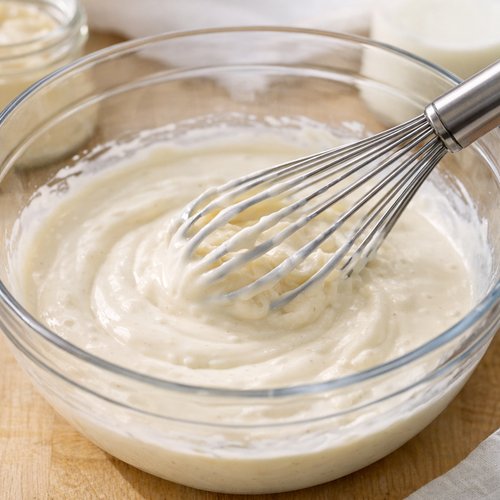
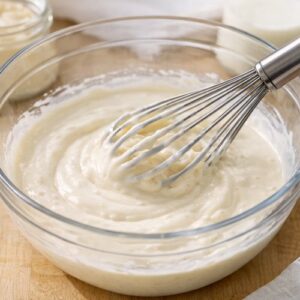
In a large mixing bowl, combine your mayonnaise, whole milk, and buttermilk. Whisk these three ingredients together until completely smooth and homogeneous—there shouldn’t be any streaks or separation. This creamy base is what coats every piece of cabbage, so this step matters more than it might seem. The combination of these three dairy products creates a texture that’s luxurious without being heavy, which is the hallmark of truly excellent coleslaw. Take your time here; about one minute of whisking is perfect.
Step 3: Add the Seasonings and Acid
To your creamy base, add the granulated sugar, fresh lemon juice, apple cider vinegar, salt, and lemon zest. Whisk thoroughly until the sugar completely dissolves—you should see no grains of sugar remaining. Taste a tiny spoonful of the dressing at this point. It should taste noticeably sweet and tangy—almost too much so if you were eating it on its own. This is exactly right. Remember, you’re about to add eight cups of mild cabbage, which will dilute these flavors. The dressing needs to be assertive now so it’s perfectly balanced when combined with all that vegetable.

Step 4: Combine Vegetables and Dressing
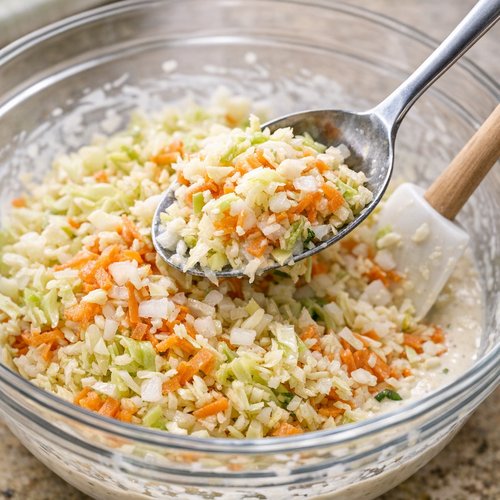
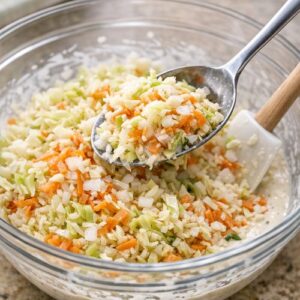
Add your minced cabbage, carrot, and onion to the dressing bowl. Using a large spoon or rubber spatula, fold and toss the vegetables until every piece is coated with dressing. This isn’t a gentle toss—really work it, lifting from the bottom and folding over the top, rotating the bowl as you go. Spend a good two to three minutes on this step. You want to ensure that the salt in the dressing makes initial contact with all the cabbage, which will begin drawing out the cabbage’s natural moisture. If any vegetables look dry, keep mixing. When you’re done, every piece of cabbage should glisten with dressing, and there should be a small amount of liquid pooling at the bottom of the bowl.
Step 5: Refrigerate Overnight (or at Least 4 Hours)
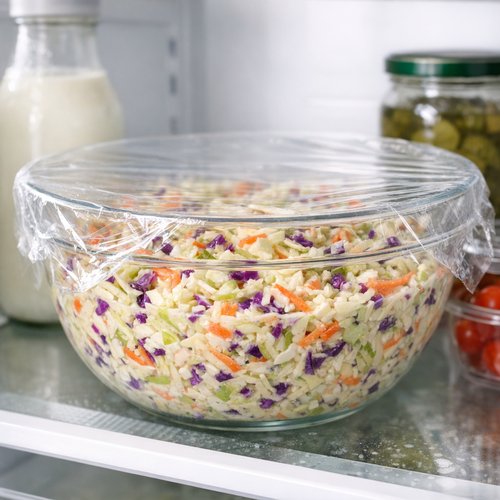
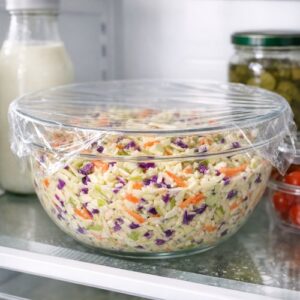
Cover your bowl and place it in the refrigerator. Ideally, let it sit overnight—this is when the transformation happens. As time passes, the salt draws moisture from the cabbage, which then gets reabsorbed along with all the dressing flavors. The vegetables soften to the perfect tender-crisp texture, and what seemed like separate components—creamy, sweet, tangy—all merge into one harmonious flavor. If you only have a few hours, set a phone reminder and give it a stir halfway through. This occasional stirring helps distribute flavors and ensures even absorption. By the time you serve it, the coleslaw will have thickened slightly, which is exactly what you want.
Step 6: Taste, Adjust, and Serve
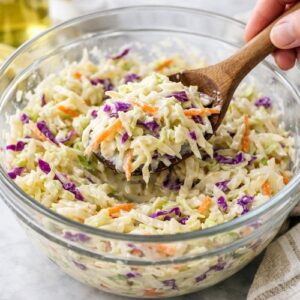
About an hour before serving, remove the coleslaw from the refrigerator. Give it a good stir, bringing up any dressing that’s pooled at the bottom and mixing it back into the vegetables. Now taste it and adjust as needed. Does it need more salt? Add a pinch. Does it need more tang? A squeeze of lemon juice. Does it taste too sweet? A splash of vinegar will balance it. Everyone’s preferences are different, so this is your chance to make it perfect for your palate. Once you’re happy with the flavor, let it come up to cool room temperature for about 30 minutes before serving. Cold coleslaw is fine, but cool-to-room-temperature coleslaw actually tastes better—the flavors are more vibrant.
The Most Common Mistakes (And How to Avoid Them)
- Chopping vegetables too large – If your cabbage pieces are bigger than rice grains, they won’t absorb dressing evenly and the texture will be too crunchy. Use a food processor or sharp knife to mince everything fine. You can always add a little crunch back with a handful of toasted seeds or nuts if you want texture variety, but starting with small pieces is non-negotiable.
- Using bottled lemon juice instead of fresh – Bottled juice tastes metallic and flat compared to fresh-squeezed. Since lemon juice is a key flavor component here, this matters. Squeeze it fresh right before mixing. One lemon yields about 3 tablespoons of juice.
- Skipping the overnight refrigeration – I understand the temptation to eat it right away, but coleslaw served immediately is watery and tastes like separate components rather than a cohesive dish. Even four hours in the fridge makes a huge difference, but overnight is genuinely best. The wait is worth it.
- Using low-fat or fat-free mayo – This creates a thin, sad dressing that tastes more like vinegar and sugar. Splurge on quality full-fat mayo. Your coleslaw will thank you, and the portion sizes are small enough that it’s a reasonable choice nutritionally.
How Do I Know When It’s Done?
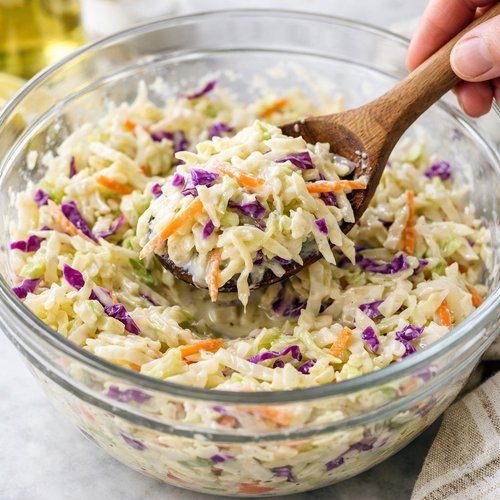
The coleslaw is ready to serve when the vegetables are tender but still have a slight crunch, and the dressing has thickened enough to coat the vegetables without pooling excessively. After overnight refrigeration, the cabbage should give way easily when you bite into it—not mushy, but definitely softened from its raw state. The color should be bright and appetizing, with no dark spots or discoloration. When you stir it, the dressing should cling to the vegetables and create a cohesive mixture. The flavor should be balanced—you should taste sweetness, tanginess, and creaminess in equal measure, with no single element overwhelming the others. If it tastes too thin or watery when you first take it out of the fridge, let it sit for another hour at room temperature; the flavors will come into focus as it warms slightly.
Troubleshooting: When Things Go Wrong
- Coleslaw is too watery – This usually means either you didn’t refrigerate long enough, or you’re serving it straight from the fridge when it’s actively cold and watery. Solution: Let it rest at room temperature for 30-60 minutes before serving. If it’s still watery after overnight refrigeration, your cabbage pieces might have been too large, preventing proper dressing absorption. For next time, mince finer.
- Dressing is too thick and globby – You may have used less milk than the recipe calls for, or your mayo was particularly thick. Solution: Whisk in 1 tablespoon of whole milk at a time until you reach the right consistency. The dressing should coat a spoon but still flow slightly.
- Tastes too sweet – Every cabbage is slightly different in natural sugar content, and every palate is different. Solution: Add 1 teaspoon of apple cider vinegar at a time, whisking well and tasting between additions, until the sweetness is balanced by tartness.
- Tastes too salty or too bland – You either added too much salt initially, or not enough. Solution: Taste first before assuming. If it’s too salty, add a pinch more sugar and a splash of lemon juice to balance. If it’s too bland, add salt ¼ teaspoon at a time, mixing well between additions.
Can I Store Chicken Shack Coleslaw Recipe?
Yes, and it actually improves with time up to a point. Stored in an airtight container in the refrigerator, this coleslaw keeps for up to 5 days, and honestly, many people prefer it on day two or three when the flavors have really melded. The vegetables become slightly softer and more tender, and everything tastes more unified. Beyond five days, the cabbage begins to break down too much and the texture becomes mushy rather than pleasantly tender. The dressing may also begin to separate slightly as the cabbage releases more liquid over time. For the best results, give it a stir before serving if it’s been sitting in the fridge—this redistributes any dressing that’s pooled at the bottom. You can also drain some liquid if you prefer a drier coleslaw as time goes on. I don’t recommend freezing coleslaw; the vegetables will become mushy when thawed, and the dressing texture becomes unpleasant.
Expert’s Nutritional Insight
As a registered dietitian, I love this coleslaw because it delivers something most people don’t expect: real nutrition alongside indulgence. One cup of this coleslaw provides about 180 calories, 14 grams of fat (mostly from mayo, which contains heart-healthy monounsaturated fats), 15 grams of carbohydrates, and 1 gram of protein. But here’s what really excites me: the raw cabbage is packed with vitamin C, folate, and sulforaphane—a compound with strong anti-inflammatory properties. Even though we’re coating it in creamy dressing, we’re not destroying these nutrients; raw vegetables maintain their micronutrient profiles perfectly. The carrot adds beta-carotene and additional fiber. The lemon juice actually enhances iron absorption from the cabbage. And the fermented quality that develops during refrigeration promotes the growth of beneficial bacteria in your gut. So yes, this is an indulgent side dish, but it’s also genuinely good for you. I serve it confidently at family meals knowing my relatives are getting real nutrition alongside deliciousness.
Make-Ahead Guide
This recipe is an absolute dream for meal prep. You can prepare it up to five days in advance, which makes it perfect for weeknight dinners, picnics, or potluck contributions. Here’s my professional approach: Prepare and refrigerate the coleslaw the day before you need it, or even two days ahead. The vegetables soften optimally after 24-36 hours. If you’re preparing it more than two days in advance, keep the vegetables and dressing separate in airtight containers until 24 hours before serving, then combine them. This prevents the cabbage from becoming too soft if you’re storing it longer than five days. You can also prep just the vegetables ahead of time—mince them, spread them on a paper towel-lined baking sheet uncovered in the fridge for up to two days to let them dry out slightly, which prevents excess moisture in the final dish. Then combine with the dressing 24 hours before serving. For events where you need to transport coleslaw, store it in a sealed container, and it will hold at room temperature for 2-3 hours without quality loss. Beyond that, refrigerate until serving time.
Seasonal Variations
While this classic version is perfect year-round, you can adapt it seasonally to highlight what’s fresh. In spring, add finely minced fresh dill and a bit of fresh tarragon to the dressing—this brightens everything and pairs beautifully with lighter spring meals. In summer, substitute some of the cabbage with finely shredded kohlrabi or daikon radish for extra crunch and a peppery note. Add a handful of fresh corn kernels (raw or lightly blanched) for sweetness. In fall, reduce the sugar slightly and add apple cider vinegar generously for a more autumn-forward flavor. Mince a small Granny Smith apple very fine and add it along with the other vegetables—the tartness of the apple plays beautifully with the dressing. In winter, the classic version shines, but you can add a pinch of caraway seeds if you like, or substitute half the cabbage with thinly sliced Brussels sprout leaves for a more substantial dish that pairs well with hearty mains.
What Can I Serve With Chicken Shack Coleslaw Recipe?
This coleslaw is the perfect side for any casual meal. Its cool, creamy-tangy character complements hot, crispy, or heavily seasoned proteins beautifully. Serve it alongside fried or grilled chicken—obviously—but also with fish tacos, pulled pork sandwiches, barbecued ribs, or even grilled tofu for a plant-based option. The acidity and brightness cut through richness perfectly. Try pairing it with BBQ Short Rib Oven Recipe for a classic combination that’s restaurant-quality at home. It’s equally at home on a picnic table alongside Best Hushpuppy Recipe or at a casual dinner party. The coleslaw also works beautifully as a topping for burgers or as a base for grain bowls.
- Fried chicken – The cool, tangy coleslaw provides the perfect counterpoint to hot, crispy chicken, and helps cut through the richness
- Pulled pork or brisket – The cabbage’s natural sweetness and the dressing’s tang balance the savory, smoky meat perfectly
- Fish tacos or fish sandwiches – The acidity brightens fish without overwhelming it, and the crunch adds textural interest
- Grilled vegetables – Serve alongside grilled corn, zucchini, or summer squash for a vegetable-forward meal
- Barbecued ribs – The coleslaw provides freshness and prevents the meal from feeling too heavy

Chicken Shack Coleslaw Recipe
Ingredients
Method
- Take your head of cabbage and cut it into quarters lengthwise. Using a sharp chef's knife, slice each quarter thinly first—about ¼-inch thick pieces. Then, carefully stack these thin slices and cut perpendicular to your first cuts, creating small squares. Continue this process, aiming for pieces roughly the size of a grain of rice. This takes patience, but it's absolutely non-negotiable for restaurant-quality results. If you have a food processor with a shredding disk, you can use that to speed up the initial work, but then follow up with fine hand chopping to reach that rice-grain size. The same applies to your carrot—mince it incredibly fine so it disappears into the coleslaw rather than appearing as distinct orange pieces. For the onion, I recommend mincing it so fine it's almost paste-like; this distributes the onion flavor throughout without any harsh bites of raw onion.
- In a large mixing bowl, combine your mayonnaise, whole milk, and buttermilk. Whisk these three ingredients together until completely smooth and homogeneous—there shouldn't be any streaks or separation. This creamy base is what coats every piece of cabbage, so this step matters more than it might seem. The combination of these three dairy products creates a texture that's luxurious without being heavy, which is the hallmark of truly excellent coleslaw. Take your time here; about one minute of whisking is perfect.
- To your creamy base, add the granulated sugar, fresh lemon juice, apple cider vinegar, salt, and lemon zest. Whisk thoroughly until the sugar completely dissolves—you should see no grains of sugar remaining. Taste a tiny spoonful of the dressing at this point. It should taste noticeably sweet and tangy—almost too much so if you were eating it on its own. This is exactly right. Remember, you're about to add eight cups of mild cabbage, which will dilute these flavors. The dressing needs to be assertive now so it's perfectly balanced when combined with all that vegetable.

- Add your minced cabbage, carrot, and onion to the dressing bowl. Using a large spoon or rubber spatula, fold and toss the vegetables until every piece is coated with dressing. This isn't a gentle toss—really work it, lifting from the bottom and folding over the top, rotating the bowl as you go. Spend a good two to three minutes on this step. You want to ensure that the salt in the dressing makes initial contact with all the cabbage, which will begin drawing out the cabbage's natural moisture. If any vegetables look dry, keep mixing. When you're done, every piece of cabbage should glisten with dressing, and there should be a small amount of liquid pooling at the bottom of the bowl.
- Cover your bowl and place it in the refrigerator. Ideally, let it sit overnight—this is when the transformation happens. As time passes, the salt draws moisture from the cabbage, which then gets reabsorbed along with all the dressing flavors. The vegetables soften to the perfect tender-crisp texture, and what seemed like separate components—creamy, sweet, tangy—all merge into one harmonious flavor. If you only have a few hours, set a phone reminder and give it a stir halfway through. This occasional stirring helps distribute flavors and ensures even absorption. By the time you serve it, the coleslaw will have thickened slightly, which is exactly what you want.
- About an hour before serving, remove the coleslaw from the refrigerator. Give it a good stir, bringing up any dressing that's pooled at the bottom and mixing it back into the vegetables. Now taste it and adjust as needed. Does it need more salt? Add a pinch. Does it need more tang? A squeeze of lemon juice. Does it taste too sweet? A splash of vinegar will balance it. Everyone's preferences are different, so this is your chance to make it perfect for your palate. Once you're happy with the flavor, let it come up to cool room temperature for about 30 minutes before serving. Cold coleslaw is fine, but cool-to-room-temperature coleslaw actually tastes better—the flavors are more vibrant.
Notes
FAQs
Can I Use Pre-Shredded Coleslaw Mix to Save Time?
You can, but I’d recommend against it as your first choice. Commercial coleslaw mixes are typically cut larger than the rice-grain size this recipe requires, and they often contain cabbage that’s been treated to prevent browning, which affects flavor. That said, if you’re in a real time crunch, you can use pre-shredded mix and then go through it with a sharp knife to cut the pieces smaller. It adds about five minutes of work but significantly improves results. Alternatively, use a food processor on the finest shred setting on fresh cabbage, which takes about two minutes and gives you better results than both hand-chopping for perfectionists and pre-shredded mixes for convenience seekers.
What If I Don’t Have Buttermilk?
Buttermilk is specifically chosen for its tang, but you can substitute it. The easiest method: pour ¼ cup regular whole milk into a measuring cup and add 1 teaspoon of lemon juice or white vinegar. Stir and let it sit for five minutes while the milk sours slightly. This creates a buttermilk substitute that behaves nearly identically to real buttermilk. Alternatively, you can use plain Greek yogurt thinned with a splash of whole milk, though this makes the dressing slightly thicker and tangier—adjust sugar and lemon juice to taste if you go this route.
Is There a Non-Dairy Version of This Recipe?
You can make a dairy-free version, though it will be slightly different. Replace the mayo with dairy-free mayo (Hellmann’s makes an excellent one), use unsweetened almond or oat milk in place of whole milk, and use a dairy-free yogurt thinned with plant milk in place of buttermilk. The key is maintaining similar ratios—you still want roughly ½ cup creamy base, ¼ cup milk-like liquid, and the same seasonings. The flavor will be slightly less rich but still delicious. Taste and adjust the lemon juice and vinegar as needed; dairy-free versions sometimes need a touch more acid to feel balanced.
How Much Should I Make for a Party?
This recipe makes about 8-10 servings as a side dish (about ½ cup per person). For a party where coleslaw is one of several sides, plan on ¼ to ⅓ cup per person, so about 6-8 servings. For a picnic or casual gathering where it’s a main side (like with barbecue), plan on ½ cup per person. The recipe doubles easily—just multiply all ingredients by two. I don’t recommend making more than triple at once, as it becomes difficult to mix thoroughly and ensures even seasoning. If you need more than triple, make separate batches. Pro tip: Make it one to two days before your event, as the flavors actually improve with time and you’ll have one less thing to worry about during party prep.
Can I Make This Spicy?
Absolutely. Add finely minced jalapeño (remove the seeds for less heat, keep them for more), or a pinch of cayenne pepper, or hot sauce to the dressing. Start with 1 minced jalapeño or ⅛ teaspoon cayenne and taste, adding more if you want extra heat. You could also use spicy mayo instead of regular mayo. If you go the hot sauce route, reduce the amount of apple cider vinegar slightly since hot sauces are typically vinegar-based. The cool, creamy coleslaw base actually makes a wonderful canvas for spice—the heat doesn’t overwhelm because it’s balanced by sweetness and creaminess.
More Recipes You’ll Love
- BBQ Beef Short Ribs Oven Recipe – The perfect protein to pair with this coleslaw
- Coconut Curry Shrimp – Serve this coleslaw alongside for brightness and balance
- Best Hushpuppy Recipe – A classic pairing for casual gatherings
You now have everything you need to make coleslaw that tastes like it came from your favorite chicken shack—or better, because you made it yourself. Remember, the secrets are in the details: mince those vegetables fine, build your dressing with intention, and give it time to transform in the refrigerator. This isn’t a complicated recipe, but it rewards precision and patience. I can’t wait for you to taste what you’ve created. Enjoy!