This post contains affiliate links. As an Amazon Associate I earn from qualifying purchases.
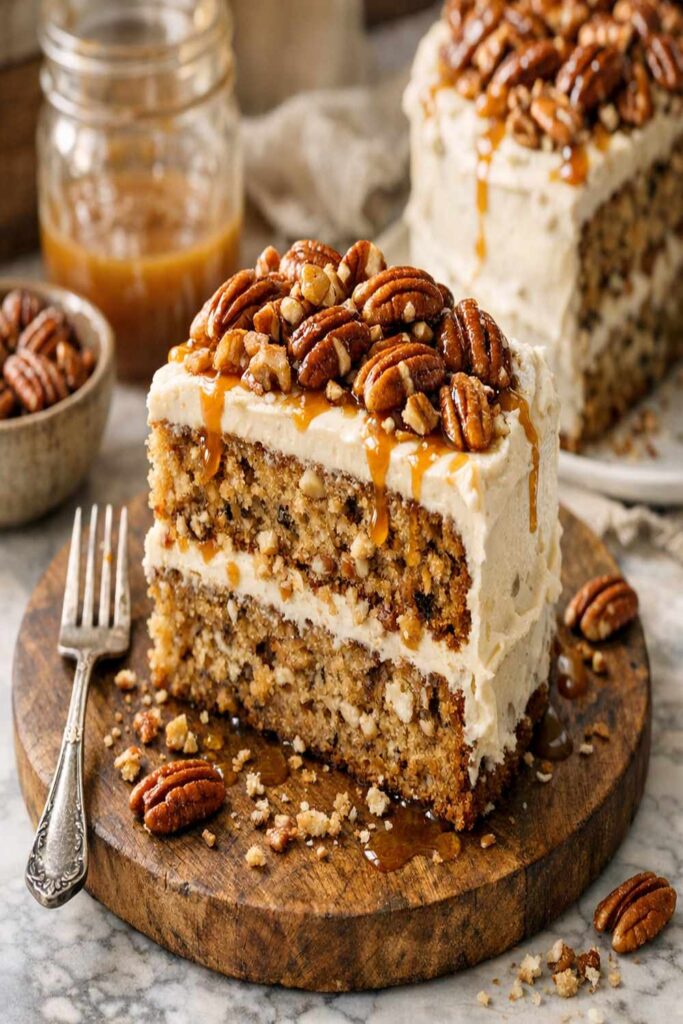
Whether you’re keto, vegan, or gluten-free, you don’t have to miss out on a showstopping pecan cake. I’ve spent years helping clients discover that dietary restrictions don’t mean giving up the foods that bring us joy—especially desserts that taste like they came straight from a grandmother’s kitchen. This recipe works beautifully across multiple dietary needs, and I’m excited to share how you can make it your way. If you love nut-forward desserts, you’ll also appreciate my my go-to banana bread for another cozy baked option.
The Story Behind This Cake
My grandmother taught me that the best desserts start with the best ingredients, and pecans were always her secret weapon. She’d crack them fresh in her Syracuse kitchen, letting the rich, buttery aroma fill the whole house. I remember sitting at her kitchen table, watching her fold chopped pecans into cake batter with such care—like she was tucking in edible gold. Years later, when I became a registered dietitian, I realized she’d been teaching me something deeper: the most nourishing food is food made with intention and love.
This pecan cake recipe honors that memory while respecting the dietary needs of the people I care about. Over the years, I’ve adapted it for clients following keto, vegan, and gluten-free lifestyles, and every version delivers that same grandmother-kitchen magic. Let me show you how.
Which Version Is Right for You?
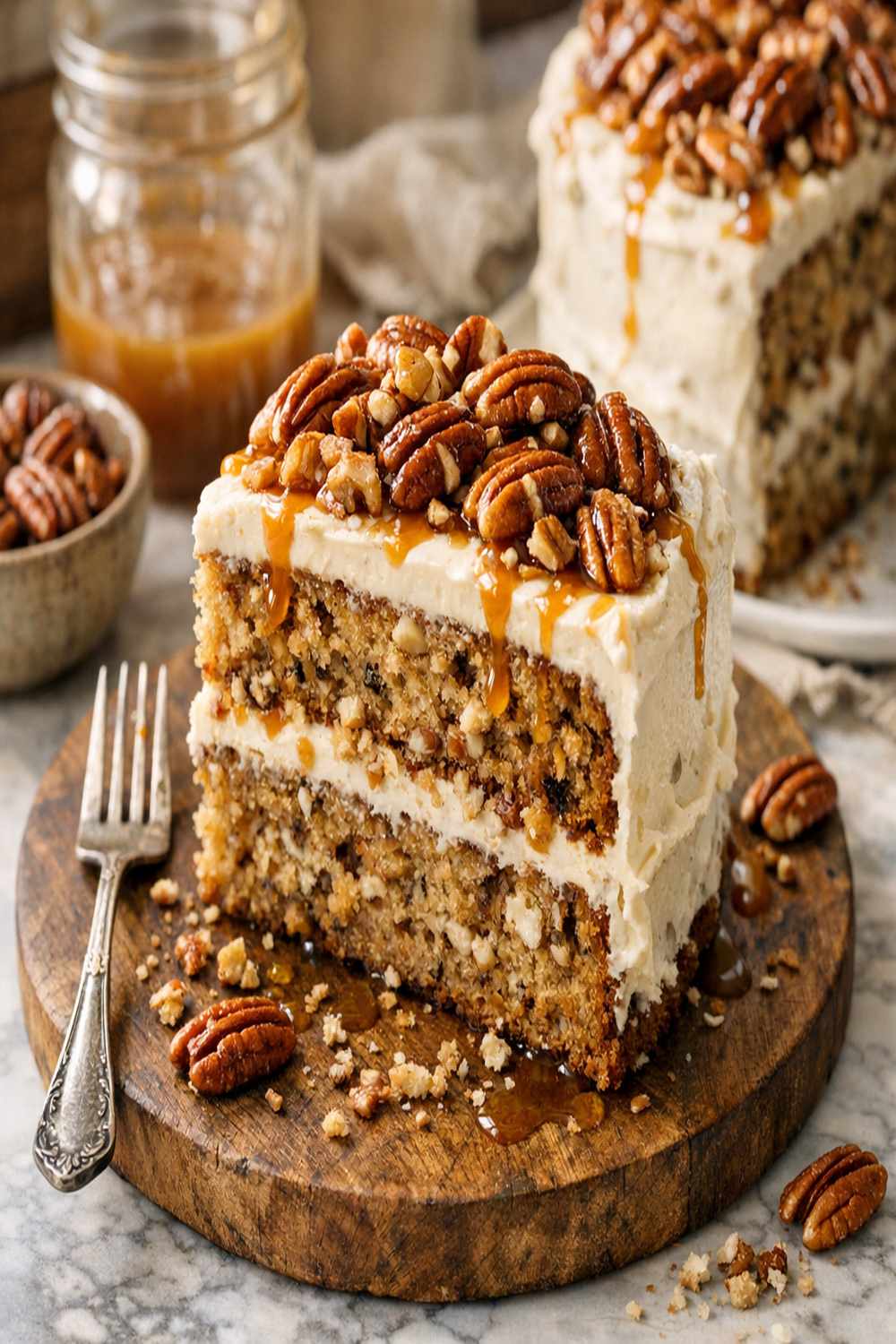
I always tell my clients: choose the version that fits your life right now. Some days you might want the traditional version. Other days, you’re managing blood sugar differently, or you’ve committed to plant-based eating. The beauty of this recipe is its flexibility. Here’s how to choose:
- Traditional Version – The original, made with all-purpose flour, butter, eggs, and cream cheese frosting. Perfect if you have no dietary restrictions and want maximum texture and richness.
- Gluten-Free Version – Uses a 1:1 gluten-free flour blend for those with celiac disease or gluten sensitivity. The cake stays incredibly moist and tender, and honestly, most people can’t tell the difference.
- Vegan Version – Replaces eggs with flax eggs and uses plant-based butter and dairy-free cream cheese. The cake is surprisingly fluffy and the frosting is just as creamy.
- Keto Version – Uses allulose or erythritol, almond flour as the base, and full-fat cream cheese for that rich, low-carb indulgence without the blood sugar spike.
- Dairy-Free Version – Perfect if you’re lactose intolerant or avoiding dairy for other reasons. We swap butter for coconut oil and use dairy-free cream cheese.
The Base Ingredients (Works for All Versions)
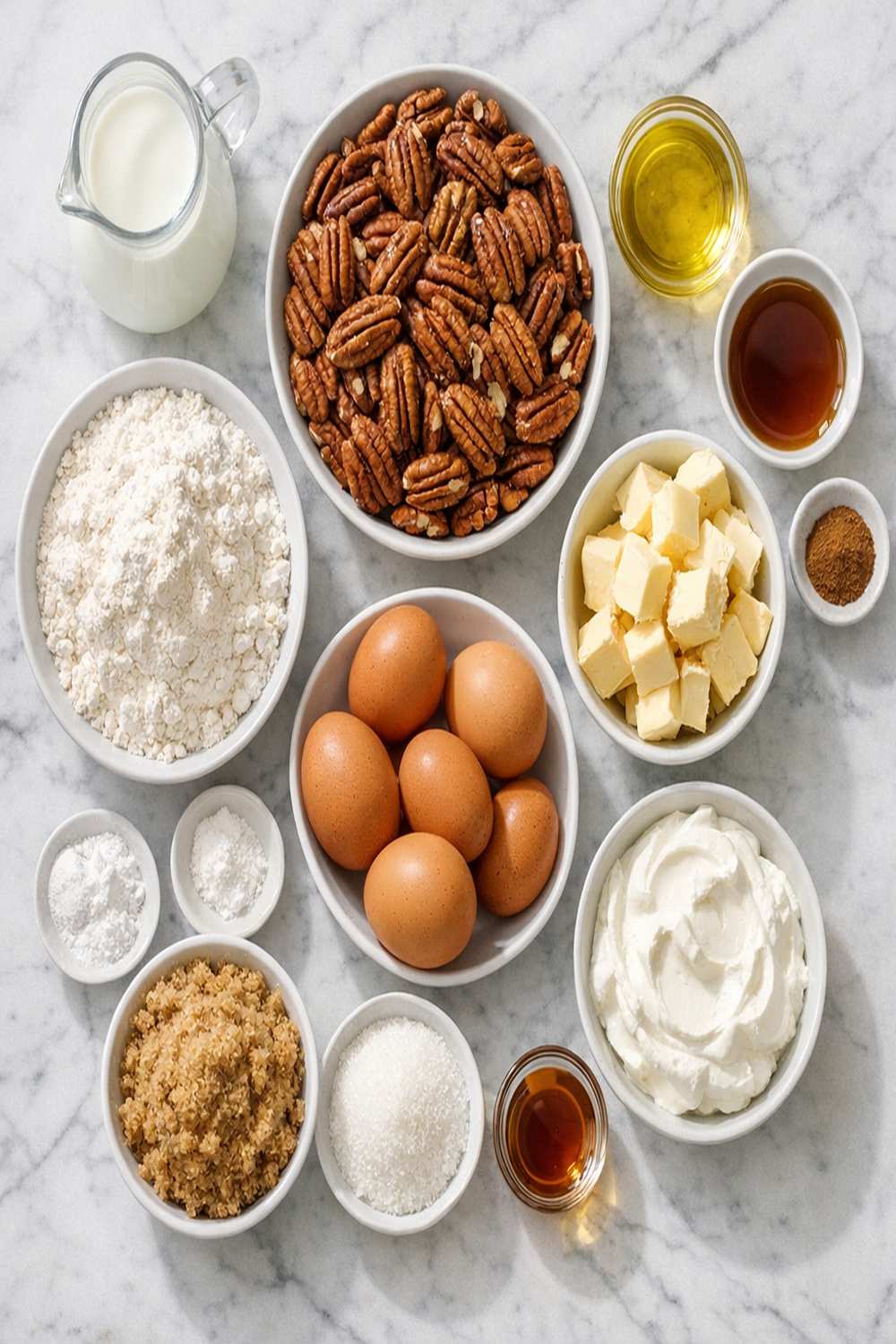
These core ingredients remain consistent across every dietary version. I’m listing the traditional amounts here—dietary swaps come next in our substitution chart. This recipe makes one 9-inch round cake with enough frosting to generously cover the top and sides, serving 12-14 people.
For the Cake
- 1 cup granulated white sugar (fine crystals dissolve more evenly)
- 1½ cups raw pecans (finely chopped into roughly pea-sized pieces)
- 1 cup packed light brown sugar (the moisture prevents dryness)
- 2¾ cups all-purpose flour or gluten-free 1:1 flour (spooned and leveled, never packed)
- 1 teaspoon kosher salt (Diamond Crystal brand dissolves most evenly)
- 3 large eggs (room temperature for better incorporation)
- ½ teaspoon baking soda (activates with the buttermilk’s acidity)
- 1⅔ cups whole buttermilk (full-fat works best for moisture)
- 2 teaspoons pure vanilla extract (not imitation—the depth matters)
- 1 cup unsalted butter (room temperature, softened to nearly spreadable consistency)
- ½ teaspoon ground cinnamon (optional but amplifies the pecan’s warmth)
- 2 teaspoons baking powder (aluminum-free if you prefer)
For the Frosting
- 2 teaspoons pure vanilla extract
- 1 cup pecans (finely chopped for texture on the sides)
- 8 tablespoons unsalted butter (room temperature)
- 4-5 cups powdered sugar (sifted before measuring prevents lumps)
- ½ cup packed light brown sugar (adds depth to vanilla frosting)
- 1 cup pecan halves (for top decoration)
- 16 ounces cream cheese (room temperature, slightly softened)
Dietary Substitution Chart
This is where the magic happens. Below is my quick-reference guide for adapting the recipe to your specific dietary needs. I’ve tested each swap extensively, and they all deliver that grandmother-kitchen quality we’re after.
- Eggs (3 large): Traditional: 3 eggs | Keto: 3 eggs | Vegan: 3 flax eggs (3 tablespoons ground flaxseed mixed with 9 tablespoons water, sit 15 minutes) | Gluten-Free: 3 eggs
- Buttermilk (1⅔ cups): Traditional: Whole buttermilk | Keto: Unsweetened almond milk + 1 tablespoon lemon juice (sit 5 minutes) | Vegan: Non-dairy milk + 1 tablespoon lemon juice | Gluten-Free: Buttermilk
- Flour: Traditional: All-purpose flour | Keto: 1½ cups almond flour + ¾ cup coconut flour | Vegan: All-purpose flour (no change) | Gluten-Free: 1:1 GF blend
- Butter (1 cup in cake + 8 tbsp in frosting): Traditional: Unsalted butter | Keto: Grass-fed unsalted butter | Vegan: Coconut oil or plant-based butter (slightly different texture) | Dairy-Free: Coconut oil or dairy-free butter
- Sugars (2 cups total): Traditional: 1 cup white + 1 cup brown sugar | Keto: ¾ cup allulose + ¾ cup monk fruit blend | Vegan: 1 cup white + 1 cup brown sugar | Gluten-Free: No change
- Cream Cheese (16 oz in frosting): Traditional: Full-fat cream cheese | Keto: Full-fat cream cheese | Vegan: Cashew cream cheese or coconut cream cheese | Dairy-Free: Dairy-free cream cheese
How to Make Pecan Cake Recipe Your Way
I’m going to walk you through the traditional method first, then note where each dietary version diverges. The key to success is understanding why each step matters, not just following instructions blindly. That’s how my grandmother taught me, and it’s how I teach my clients.
Step 1: Prep Your Pans and Oven
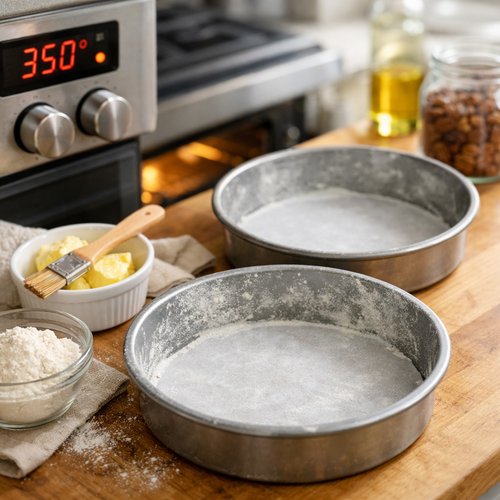
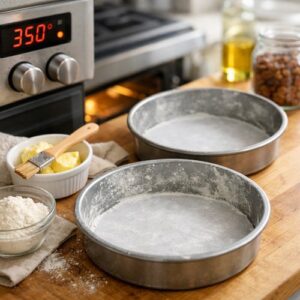
Preheat your oven to 350°F. This is the sweet spot for pecans—hot enough to develop their natural oils and flavor, cool enough that the cake doesn’t brown too quickly. Grab one 9-inch round cake pan (or two 8-inch pans if you want a thinner, faster-baking cake). Line the bottom with parchment paper and lightly grease the sides with butter or oil. For vegan versions, use coconut oil for greasing—it won’t react with plant-based ingredients the same way butter might.
Let your oven run for at least 10 minutes to reach full temperature. I learned from experience that oven temperature is non-negotiable for consistent results across dietary versions.
Step 2: Combine Your Dry Ingredients
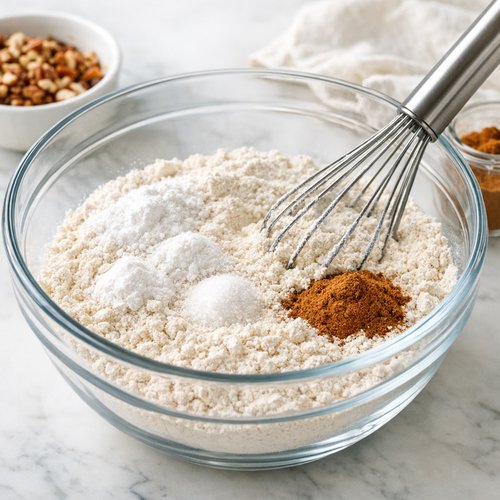
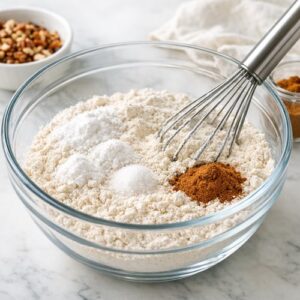
In a large mixing bowl, whisk together your flour, baking powder, baking soda, salt, and cinnamon (if using). For traditional and gluten-free versions, this is straightforward. For keto versions, sift your almond and coconut flour mixture three times to eliminate any clumping that happens naturally with nut flours. Vegan versions use the same process as traditional.
Take your time here—a thorough whisking ensures even distribution of leavening agents. This prevents dense pockets in your finished cake, which matters even more when you’re working with alternative flours.
Step 3: Cream Butter and Sugars
In a separate bowl, beat room-temperature butter with your sugars for 3-4 minutes until the mixture is light, fluffy, and noticeably pale. For keto versions using allulose or monk fruit, beat for a full 5 minutes—these sweeteners need extra aeration to incorporate properly. For vegan versions using coconut oil, reduce beating time to 2 minutes since coconut oil doesn’t incorporate air the same way butter does.
This creaming step is where you’re building structure. The air pockets created here help the cake rise, so don’t skip it or rush it. I tell my clients this is literally 4 minutes of your time that determines the texture of your finished dessert.
Step 4: Add Eggs (or Flax Eggs)
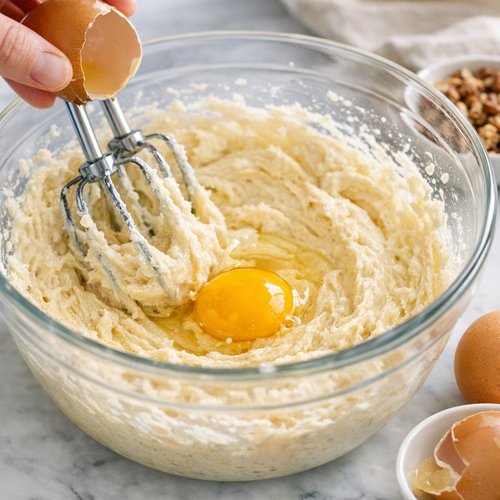
Add your eggs one at a time, beating well after each addition. Wait until the first egg is fully incorporated before adding the second—this prevents a curdled appearance and ensures even mixing. For vegan versions, add your prepared flax eggs slowly and beat for about 1 minute between each addition. The mixture will look slightly separated, but trust the process.
Add your vanilla extract and beat for another 30 seconds. Traditional, gluten-free, and dairy-free versions follow the standard egg method. Keto versions use the same process.
Step 5: Alternate Wet and Dry Ingredients
This is a technique my grandmother always emphasized, and it matters across every dietary version. Reduce mixer speed to low. Add one-third of your dry ingredient mixture, beat until just barely combined. Add half of your buttermilk (or dairy-free alternative). Beat briefly. Add another third of dry ingredients. Add remaining buttermilk. Finally, add the last third of dry ingredients.
For vegan and dairy-free versions, work quickly here—plant-based milks can separate if overmixed. For keto versions, the batter will be slightly thicker, which is correct. The entire mixing process from wet-dry alternating should take no more than 90 seconds total.
Step 6: Fold in the Pecans
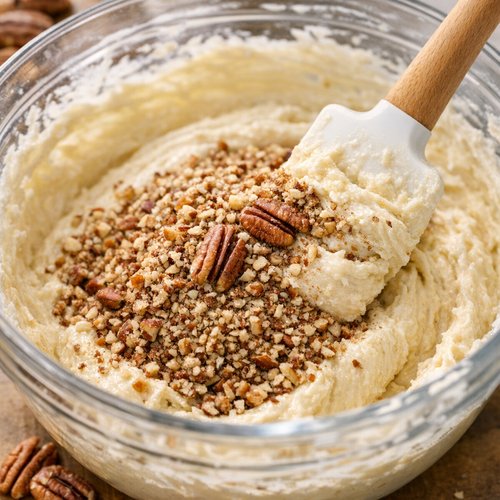
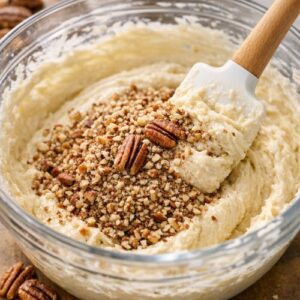
Using a rubber spatula (not the mixer), gently fold in your finely chopped pecans. Reserve some larger pecan pieces for garnish if you’d like. The folding motion prevents deflating the air you worked so hard to incorporate. This step is identical across all dietary versions.
Don’t overmix here—a few small flour streaks are fine and will disappear in the oven. Overmixing develops gluten (even in gluten-free flour blends, the starch reacts the same way), making the crumb tougher.
Step 7: Bake the Cake
Pour batter into your prepared pan and smooth the top with a spatula. Place in your preheated 350°F oven. Traditional and gluten-free cakes take 40-45 minutes. Keto cakes bake slightly faster at 38-42 minutes because there’s less moisture to escape. Vegan versions take 45-50 minutes since the flax egg mixture retains slightly more moisture.
The cake is done when a toothpick inserted in the center comes out with just a few moist crumbs (not wet batter, but not completely dry). The top should spring back lightly when touched, and the edges should just start pulling away from the pan.
Let the cake cool in the pan for 15 minutes, then turn it out onto a wire rack to cool completely before frosting. Patience here prevents frosting from melting into warm cake. I know it’s tempting to frost early—I do it too sometimes—but your structure will be better if you wait.
Step 8: Make Your Frosting
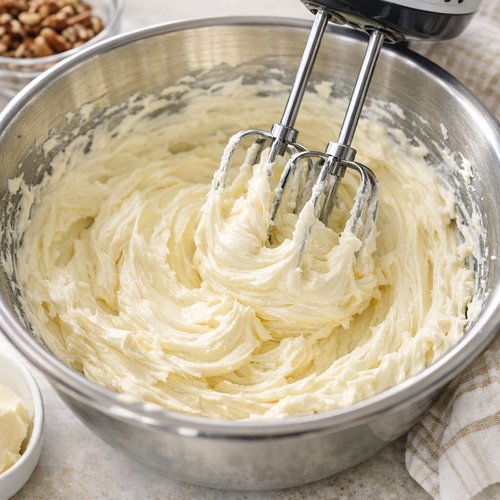
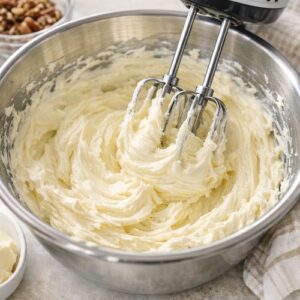
In a clean mixing bowl, beat room-temperature cream cheese and butter (or dairy-free alternatives) together for 2-3 minutes until completely smooth and slightly fluffy. For vegan versions with cashew or coconut cream cheese, beat for a full 4 minutes as these are denser than dairy cream cheese.
Add your brown sugar and vanilla extract, beating for another minute. Gradually add powdered sugar, one cup at a time, beating on low speed after each addition. Stop and scrape the bowl frequently to ensure even mixing. For keto versions, you’ll need only 2-3 cups of powdered sugar; if using a keto-friendly powdered sugar alternative, add an extra tablespoon of dairy-free milk to reach the right consistency.
The frosting is ready when it’s spreadable but still holds peaks. If it’s too thin, refrigerate for 15 minutes before spreading. If it’s too thick, add a tablespoon of milk at a time until you reach the right consistency.
Step 9: Frost and Decorate
Place your cooled cake on a serving plate or cake board. Spread a generous layer of frosting on top and around the sides. If you prefer a naked cake look, you can leave the sides frosting-free and just top it. Top with pecan halves arranged in a circle, or press finely chopped pecans around the sides for a classic finished look.
Chill the frosted cake for at least 30 minutes before serving if your kitchen is warm. This helps the frosting set and makes slicing cleaner.
Nutrition Comparison Across Versions
As a registered dietitian, I always want my clients to understand what they’re eating. Below is a per-slice nutritional comparison (based on 12 slices per cake) using USDA nutrition data. These numbers include the frosting. Keep in mind that the pecans provide heart-healthy monounsaturated fats and magnesium—they’re not empty calories.
- Traditional Version: 485 calories | 32g carbohydrates | 28g fat | 6g protein | 2g fiber
- Gluten-Free Version: 492 calories | 33g carbohydrates | 28g fat | 6g protein | 2.5g fiber (1:1 blends often contain xanthan gum, adding minimal fiber)
- Vegan Version: 445 calories | 31g carbohydrates | 26g fat | 4g protein | 2.2g fiber (lower protein from missing eggs)
- Keto Version: 285 calories | 8g carbohydrates | 24g fat | 7g protein | 2g fiber (almond flour adds extra protein and fiber)
- Dairy-Free Version: 468 calories | 33g carbohydrates | 26g fat | 5g protein | 2g fiber (coconut oil is slightly higher in saturated fat)
The pecans in every version contribute selenium (supports thyroid function), magnesium (supports muscle relaxation), and polyphenols (powerful antioxidants). This is why I always tell people: a slice of cake with pecans is genuinely more nourishing than a slice made with inferior nuts or no nuts at all.
How Each Version Tastes Different
I believe in being honest about food. Each dietary adaptation has a slightly different flavor and texture profile, and understanding these differences helps you choose what appeals to you most.
Traditional Version – This is your benchmark. Rich, buttery, dense but still tender crumb. The cream cheese frosting is tangy and creamy. Pecans shine clearly without any competing flavors. If you’ve never had this version, make it first so you know what you’re comparing everything else to.
Gluten-Free Version – Honestly, most people cannot tell this apart from traditional. The 1:1 blends are that good now. Texture is virtually identical. You might notice a hair more sweetness on the back end—some GF blends behave that way—but it’s subtle. This is genuinely a straight swap.
Vegan Version – Slightly airier crumb than traditional (flax eggs create a different rise pattern). Frosting is a touch less tangy since vegan cream cheese is milder. The cake is noticeably not-buttery, but if you’ve made peace with that, it’s genuinely delicious. Pecans become the star even more because there’s no competing richness. Some vegans tell me they prefer it to traditional.
Keto Version – This is the one that tastes most noticeably different. Almond flour brings an earthier, slightly nuttier undertone. The texture is denser and more brownie-like (not bad, just different). The aftertaste of sugar alcohols can linger slightly with some people—erythritol less so than allulose. The frosting is richer and feels more indulgent because of the full-fat cream cheese. If you’re keto, this hits a sweet spot for blood sugar management while still feeling like dessert.
Dairy-Free Version – Coconut oil imparts a subtle tropical note that some people love and others don’t notice. The crumb is slightly greasier on the outside but not in a bad way. Frosting is less creamy than dairy versions but still spreadable. Pecans taste more pronounced because coconut oil is more neutral than butter. This is a solid choice if lactose is your concern.
Can I Store Pecan Cake Recipe?
One of my favorite things about this cake is its shelf life. It actually gets better on day two as the flavors meld and moisture distributes evenly.
Room Temperature Storage: Keep your frosted cake under a cake dome or loose plastic wrap at room temperature for up to 3 days. The frosting protects the cake interior from drying out faster than you’d expect.
Refrigerator Storage: For all versions, refrigerated cake lasts 5-7 days in an airtight container. Keto, vegan, and dairy-free versions actually hold up better refrigerated because they’re less sensitive to temperature fluctuations. Cold cake also slices cleaner.
Freezer Storage: Unfrosted cake (the layers) freezes beautifully for up to 3 months in an airtight freezer container. I always bake my cakes earlier in the week and freeze them, then frost the day I’m serving. This saves time and stress. Frosted cake freezes for up to 6 weeks, but frosting texture can become grainy, so I don’t recommend it unless absolutely necessary.
Thawing: Move your frozen cake to the refrigerator and let it thaw overnight. Never thaw at room temperature—condensation makes the cake soggy. If you forgot to plan ahead, thaw on the counter for 3-4 hours; it won’t be perfect, but it’ll be fine.
What to Serve With Pecan Cake Recipe?
The best part about this cake is it stands alone beautifully, but here are some pairing ideas depending on your dietary approach and what season you’re cooking in:
- Coffee or Espresso – Any version, any time. The bitter notes complement the sweet cake perfectly. This is my default choice when serving traditionally.
- Whipped Cream (dairy or coconut) – Perfect with any version. A dollop beside the slice adds richness without overwhelming. Use coconut whipped cream for vegan and dairy-free versions.
- Vanilla Ice Cream – Traditional, gluten-free, and dairy-free versions. Skip for keto (adds carbs) and vegan (unless serving vegan ice cream).
- Cinnamon Whipped Coconut Cream – Works beautifully with all versions, especially keto. Whip full-fat coconut cream with a touch of maple syrup and cinnamon for depth.
- Fresh Berries – A handful of raspberries or blackberries beside the cake adds acidity that brightens the richness. Works with any version. If you’re looking for berry dessert inspiration, try my this fruit cobbler for seasonal variation.
- Caramel Sauce (traditional or keto) – Drizzle over the top slice for decadence. Use sugar-free caramel for keto versions to maintain carb goals.
- Pecans Toast – For serving with tea or coffee midday. Pairs with any version. Top a slice with toasted pecan pieces for extra crunch.
Expert’s Nutritional Tip: Why Pecans Are Worth the Investment
As a dietitian who bridges clinical nutrition with home cooking, I want to highlight something often overlooked: pecans aren’t just flavor—they’re functional nutrition. They’re among the highest nut sources of magnesium (important for blood sugar regulation and sleep quality), and they contain polyphenols that research shows can reduce inflammation and support gut health.
The pecans in this cake aren’t filler—they’re carrying significant nutritional weight. When I recommend this recipe to clients managing blood sugar concerns, I point out that the healthy fats in pecans slow sugar absorption compared to pecan-less cakes. That doesn’t give anyone permission to eat unlimited cake, but it does mean this is a genuinely better choice than white cake without nuts.
When shopping, buy raw pecans from a source with good turnover (not the pre-roasted ones in dusty bins at the grocery store). Store them in the freezer to preserve their oils. This small investment in quality changes everything about the final cake.
Make-Ahead Guide: Timeline for Success
Here’s how I organize this recipe when I’m serving it for an event, using my professional meal-prep experience:
One Week Ahead: Buy all ingredients, especially the pecans. Check your 1:1 GF flour blend if making that version—you want fresh product, not something sitting since last year.
Three Days Ahead: Bake the cake layers (unfrosted). Cool completely, wrap individually in plastic wrap, and freeze. This removes the most time-intensive step from event day.
Two Days Ahead: Make the frosting and refrigerate. It’ll keep beautifully in an airtight container. Remove 30 minutes before using to reach spreadable consistency.
One Day Ahead: Thaw cake layers in the refrigerator. Assemble the cake layers with frosting and decorate with pecans. Refrigerate the finished cake. This rests the frosting and prevents sliding.
Day Of: Remove cake from refrigerator 30 minutes before serving if you want it slightly softer. Slice and serve. Done.
This approach lets you make a showstopping dessert without kitchen stress, which I believe is how desserts should feel—like a joy, not a burden.
Common Mistakes to Avoid
I’ve made every mistake you’re about to make. Here’s what I learned:
Mistake #1: Using Cold Ingredients – Cold eggs, cold cream cheese, cold butter don’t incorporate properly. Everything needs to be room temperature, especially in vegan and keto versions where chemical reactions are already different. It adds 30 minutes to prep time, but those 30 minutes determine your texture. Plan accordingly.
Mistake #2: Opening the Oven Door Too Early – I used to do this constantly, peeking at 20 minutes. Every time the door opens, the oven temperature drops about 25°F, disrupting the rise. Set a timer for 35 minutes, then check once. The oven door is not your friend during baking.
Mistake #3: Overmixing the Batter – Especially vegan versions, the instinct is to mix longer to ensure the flax eggs are incorporated. Resist. More mixing = tougher cake. Mix until you see no dry flour streaks and stop immediately. You’re not making bread; you’re making cake.
Mistake #4: Rushing the Frosting – Trying to frost a warm cake or using cold frosting from the fridge results in a mess. Warm cake melts the frosting. Cold frosting tears the cake. Wait for cool cake and room-temperature frosting. This patience is non-negotiable for a beautiful final product.
Seasonal Variations: How to Adapt This Recipe Year-Round
This is where I get excited about cooking—taking a base recipe and evolving it with the seasons. Here’s how I play with this cake throughout the year:
Fall/Winter Version: Add ½ teaspoon nutmeg and ¼ teaspoon ground cloves to the dry ingredients. Dust the finished cake with cinnamon. Top with toasted pecans instead of raw. The warmth of these spices makes it feel like a cozy autumn dessert without tasting like pumpkin spice everything.
Spring Version: Add 1 teaspoon lemon zest to the batter and 2 tablespoons lemon juice to the frosting. This brightens everything. Top with candied lemon peel and pecans. It feels fresh and lighter despite being the same base cake.
Summer Version: Reduce sugar by ¼ cup and add 1 tablespoon vanilla extract instead of 2 teaspoons. The vanilla becomes more prominent, almost floral. Frost lightly and serve with fresh berries and whipped cream. Summer eating is about less-heavy textures, so this version takes that into account.
Holiday Version: Use this as your base for a this simple cake by adding 2 tablespoons rum or bourbon to the batter and 1 tablespoon to the frosting. It becomes instantly festive without requiring a whole new recipe.

Pecan Cake Recipe
Ingredients
Method
- Preheat your oven to 350°F. This is the sweet spot for pecans—hot enough to develop their natural oils and flavor, cool enough that the cake doesn't brown too quickly. Grab one 9-inch round cake pan (or two 8-inch pans if you want a thinner, faster-baking cake). Line the bottom with parchment paper and lightly grease the sides with butter or oil. For vegan versions, use coconut oil for greasing—it won't react with plant-based ingredients the same way butter might. Let your oven run for at least 10 minutes to reach full temperature. I learned from experience that oven temperature is non-negotiable for consistent results across dietary versions.
- In a large mixing bowl, whisk together your flour, baking powder, baking soda, salt, and cinnamon (if using). For traditional and gluten-free versions, this is straightforward. For keto versions, sift your almond and coconut flour mixture three times to eliminate any clumping that happens naturally with nut flours. Vegan versions use the same process as traditional. Take your time here—a thorough whisking ensures even distribution of leavening agents. This prevents dense pockets in your finished cake, which matters even more when you're working with alternative flours.
- In a separate bowl, beat room-temperature butter with your sugars for 3-4 minutes until the mixture is light, fluffy, and noticeably pale. For keto versions using allulose or monk fruit, beat for a full 5 minutes—these sweeteners need extra aeration to incorporate properly. For vegan versions using coconut oil, reduce beating time to 2 minutes since coconut oil doesn't incorporate air the same way butter does. This creaming step is where you're building structure. The air pockets created here help the cake rise, so don't skip it or rush it. I tell my clients this is literally 4 minutes of your time that determines the texture of your finished dessert.
- Add your eggs one at a time, beating well after each addition. Wait until the first egg is fully incorporated before adding the second—this prevents a curdled appearance and ensures even mixing. For vegan versions, add your prepared flax eggs slowly and beat for about 1 minute between each addition. The mixture will look slightly separated, but trust the process. Add your vanilla extract and beat for another 30 seconds. Traditional, gluten-free, and dairy-free versions follow the standard egg method. Keto versions use the same process.
- This is a technique my grandmother always emphasized, and it matters across every dietary version. Reduce mixer speed to low. Add one-third of your dry ingredient mixture, beat until just barely combined. Add half of your buttermilk (or dairy-free alternative). Beat briefly. Add another third of dry ingredients. Add remaining buttermilk. Finally, add the last third of dry ingredients. For vegan and dairy-free versions, work quickly here—plant-based milks can separate if overmixed. For keto versions, the batter will be slightly thicker, which is correct. The entire mixing process from wet-dry alternating should take no more than 90 seconds total.

- Using a rubber spatula (not the mixer), gently fold in your finely chopped pecans. Reserve some larger pecan pieces for garnish if you'd like. The folding motion prevents deflating the air you worked so hard to incorporate. This step is identical across all dietary versions. Don't overmix here—a few small flour streaks are fine and will disappear in the oven. Overmixing develops gluten (even in gluten-free flour blends, the starch reacts the same way), making the crumb tougher.
- Pour batter into your prepared pan and smooth the top with a spatula. Place in your preheated 350°F oven. Traditional and gluten-free cakes take 40-45 minutes. Keto cakes bake slightly faster at 38-42 minutes because there's less moisture to escape. Vegan versions take 45-50 minutes since the flax egg mixture retains slightly more moisture. The cake is done when a toothpick inserted in the center comes out with just a few moist crumbs (not wet batter, but not completely dry). The top should spring back lightly when touched, and the edges should just start pulling away from the pan. Let the cake cool in the pan for 15 minutes, then turn it out onto a wire rack to cool completely before frosting. Patience here prevents frosting from melting into warm cake. I know it's tempting to frost early—I do it too sometimes—but your structure will be better if you wait.
- In a clean mixing bowl, beat room-temperature cream cheese and butter (or dairy-free alternatives) together for 2-3 minutes until completely smooth and slightly fluffy. For vegan versions with cashew or coconut cream cheese, beat for a full 4 minutes as these are denser than dairy cream cheese. Add your brown sugar and vanilla extract, beating for another minute. Gradually add powdered sugar, one cup at a time, beating on low speed after each addition. Stop and scrape the bowl frequently to ensure even mixing. For keto versions, you'll need only 2-3 cups of powdered sugar; if using a keto-friendly powdered sugar alternative, add an extra tablespoon of dairy-free milk to reach the right consistency. The frosting is ready when it's spreadable but still holds peaks. If it's too thin, refrigerate for 15 minutes before spreading. If it's too thick, add a tablespoon of milk at a time until you reach the right consistency.
- Place your cooled cake on a serving plate or cake board. Spread a generous layer of frosting on top and around the sides. If you prefer a naked cake look, you can leave the sides frosting-free and just top it. Top with pecan halves arranged in a circle, or press finely chopped pecans around the sides for a classic finished look. Chill the frosted cake for at least 30 minutes before serving if your kitchen is warm. This helps the frosting set and makes slicing cleaner.
FAQs
Can I make this pecan cake in a 13×9 sheet pan instead of a round cake?
Absolutely. Bake time will decrease to 35-40 minutes since the batter is thinner. You’ll get more servings (16-18 slices instead of 12-14), which is perfect for gatherings. The taste is identical; only presentation changes. This works for all dietary versions equally.
What if I have a nut allergy? Can I substitute pecans with something else?
Pecans are 1½ cups of the recipe (about 25% of volume), so removing them dramatically changes texture. You could replace with the same amount of unsweetened shredded coconut (adds coconut flavor but works), or increase other ingredients slightly. However, I’d honestly recommend starting with a different cake recipe if pecans are a true allergen in your home. Substituting such a key ingredient changes this recipe fundamentally.
Why does my gluten-free version come out drier than the traditional version?
Most 1:1 GF blends contain starches that absorb liquid differently than wheat flour. Add 1-2 tablespoons of extra buttermilk to your GF batter (not the traditional version). You can also add 1 teaspoon of xanthan gum if your blend doesn’t already contain it. The dryness usually indicates moisture imbalance, not a bad recipe. Adjust and try again.
Can I use dairy-free butter instead of coconut oil for the dairy-free version?
Yes, and actually, I prefer dairy-free butter for this recipe. Coconut oil imparts flavor, while dairy-free butter mimics traditional butter’s behavior more closely, giving you better rise and texture. Any brand works—I use plant-based butter from major grocery stores. The recipe works with both; it’s just a texture and flavor preference.
Is this pecan cake actually keto-friendly, or are the carbs higher than I’m told online?
The traditional version is decidedly not keto (33g carbs per slice). The keto version I’ve outlined, using allulose or monk fruit and almond flour, brings it down to about 8g carbs per slice with frosting included. That’s genuinely keto-appropriate. Some online recipes blur the line—be skeptical of anything claiming traditional cake with traditional sugars is “keto.” My version is honest about substitutions because that’s how we maintain trust with dietary restrictions.
More Diet-Friendly Recipes You’ll Love
- this simple cake – A showstopping celebration cake with multiple layers and textures, easily adaptable to gluten-free and vegan versions like this pecan cake.
- Thanksgiving Dressing – For when you need savory balance alongside desserts like this cake at holiday gatherings.
Final Thoughts: Cake for Everyone
Here’s what I want you to know: dietary restrictions are real and they matter. They’re not trends or inconveniences—they’re the way some of us live our healthiest lives. And that right there—that desire to eat well while honoring your body’s needs—is worth the extra thought and care this recipe requires.
My grandmother didn’t know what keto or gluten-free meant. But she understood something more important: good food welcomes everyone. This pecan cake recipe carries that belief forward. Whether you’re traditional, vegan, gluten-free, dairy-free, or keto, you deserve cake that tastes like it came from a grandmother’s kitchen. You deserve the pecans, the butter (dairy or plant-based), the love baked into every layer.
I can’t wait to hear how yours turns out. Enjoy!