
This post contains affiliate links. As an Amazon Associate I earn from qualifying purchases.
I grew up watching my grandmother transform a simple head of cabbage into something that made our whole kitchen smell like comfort. She’d slice it thick, add butter, salt, and let it simmer until it was silky and tender. It was magic on a winter’s night, especially when January felt long and cold.
But here’s what I learned as a registered dietitian: that classic New Years cabbage recipe—while absolutely delicious—was heavy on butter and broth, leaving you feeling sluggish instead of nourished. I wanted to honor my grandmother’s magic without the afternoon energy crash. So I reimagined it, keeping everything you love about that tender, deeply savory flavor while making it work for your body instead of against it. This healthy version delivers all the joy with none of the regret.
Whether you’re starting fresh with a New Year’s resolution or just want a side dish that actually supports your wellness goals, this recipe proves that “healthy” doesn’t mean sacrifice. It means intention. And intention tastes better every single time.

What Changed and Why It’s Better
The original version relied heavily on butter and rich chicken broth, creating a dish that’s calorie-dense and sodium-heavy. My healthy version keeps the buttery richness you crave but balances it with extra-virgin olive oil, adds fresh aromatics for depth, and uses a lighter broth ratio. You’re not losing flavor—you’re gaining clarity and sustained energy.
- Butter (3 tablespoons) → 2 tablespoons unsalted butter + 2 tablespoons extra-virgin olive oil: The combination gives you the richness of butter with the heart-healthy monounsaturated fats from olive oil. You save about 40 calories per serving while keeping that luxurious mouthfeel.
- Regular chicken broth (2 cups) → 1.5-2 cups low-sodium vegetable broth with fresh garlic and thyme: Reducing sodium by nearly 50% while adding fresh herbs means your body gets flavor complexity instead of salt bloat. Your palate becomes more sensitive to real taste.
- Plain seasoning → freshly cracked black pepper, smoked sea salt, and fresh herbs: Whole spices have more antioxidants and essential oils than pre-ground versions. They also taste noticeably brighter.
The Nutritional Wins in This Recipe
Raw cabbage gets all the glory, but I discovered something crucial while analyzing the nutrition science: lightly cooked cabbage actually increases your body’s ability to absorb certain beneficial compounds. The gentle heat breaks down cell walls, making sulforaphane and indole-3-carbinol—two powerful cancer-fighting compounds—more bioavailable. According to USDA research, a single serving of this recipe delivers meaningful amounts of Vitamin C (about 45% of daily value), Vitamin K (over 100% of daily value), and fiber that supports gut health without the bloated feeling of raw cruciferous vegetables.
- Vitamin K for bone health and blood clotting – One cup of cooked cabbage provides more than your entire day’s requirement. This is especially important in January when we’re thinking about building stronger bodies.
- Fiber for stable blood sugar and satiety – About 2.2 grams of fiber per serving supports that “full” feeling without heavy calories. Your energy stays steady for hours.
- Polyphenols for cellular protection – Cabbage contains kaempferol and other polyphenols that reduce inflammation. This is crucial after heavy holiday eating.
The Ingredients – Every Swap Explained
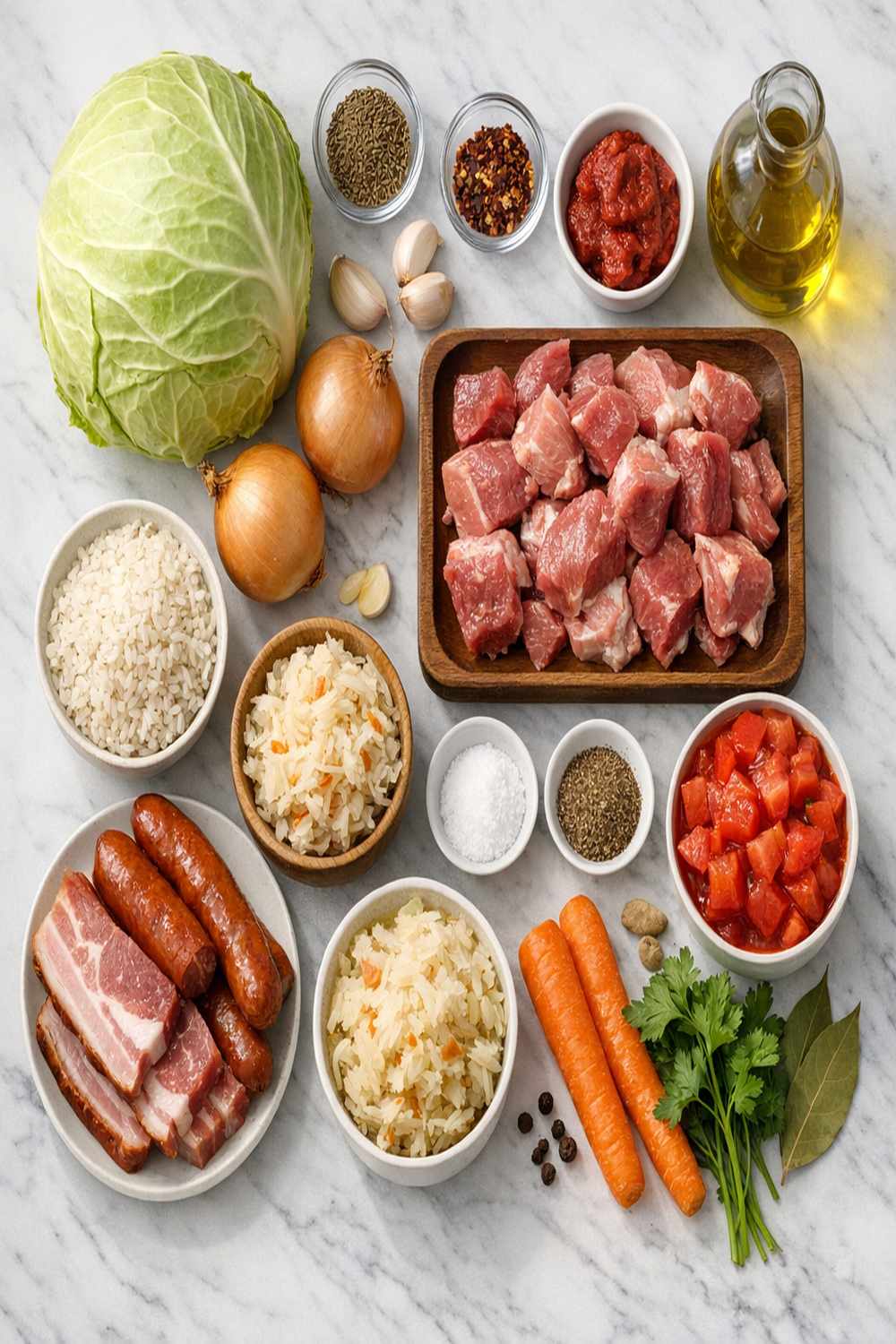
I’ve chosen each ingredient with intention. Nothing here is a “health food” substitute that tastes like cardboard. Every single item is chosen because it makes this dish taste better and work better for your body. You’re not eating “diet food”—you’re eating food that respects both your taste buds and your wellness.
- 2 tablespoons unsalted butter (grass-fed if possible, which contains more omega-3 fatty acids)
- 3 cloves garlic (minced finely, adds sulfur compounds that support liver detoxification)
- ¼ teaspoon freshly cracked black pepper (to taste—cracking it fresh releases volatile compounds)
- 1 bay leaf (optional but recommended—adds depth without calories)
- 2 tablespoons extra-virgin olive oil (cold-pressed, with a harvest date on the bottle—fresher oil has more antioxidants)
- 1.5 to 2 cups low-sodium vegetable or chicken broth (homemade is ideal, but quality store-bought works—look for under 500mg sodium per cup)
- ½ teaspoon smoked sea salt (coarse sea salt has trace minerals absent in table salt)
- 2 sprigs fresh thyme (or 1 teaspoon dried thyme—fresh herbs have higher essential oil content)
- Juice of half a lemon (about 1.5 tablespoons, brightens flavors and aids mineral absorption)
- 1 head of green cabbage (about 1.5 pounds, choose one that feels heavy for its size—this means more water content and better texture when cooked)
How to Make Healthy New Years Cabbage Recipe Without Feeling Like You’re Missing Out
This is where the magic happens. The cooking technique here is just as important as the ingredients. I’m teaching you to cook in a way that builds flavor through proper heat management and timing—this is professional-level cooking that creates restaurant-quality results in your own kitchen.
Step 1: Prepare Your Cabbage With Intention
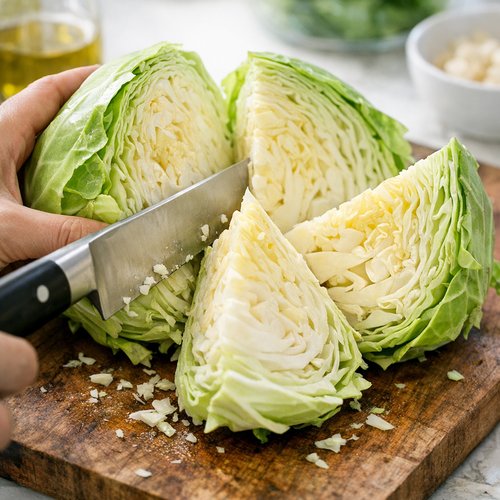
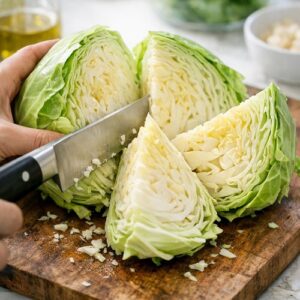
Start by placing your cabbage on a cutting board. Slice it into quarters, working from the center. You’ll feel the knife move through the outer leaves easily, then encounter resistance at the tough core. This core is where the bitterness lives, so remove it completely and discard it. Now take each quarter and slice it into ribbons about 1 inch wide. The consistency matters here—uniform thickness means even cooking and that silky texture you’re after. Don’t rush this step. Set your sliced cabbage aside in a large bowl.
Step 2: Build Your Flavor Base With Fat
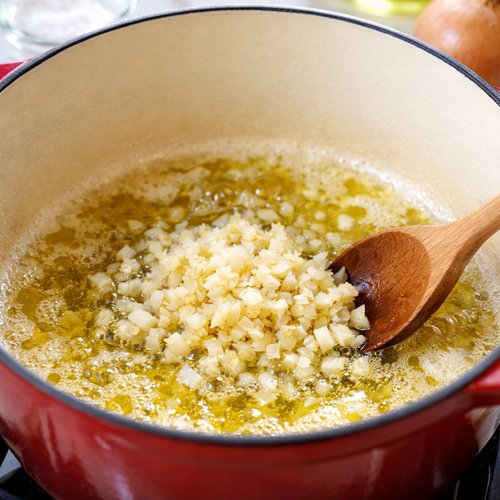
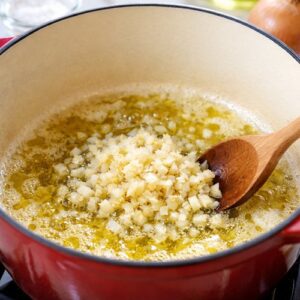
In a large pot (I use a 5-quart Dutch oven), combine your butter and olive oil over medium heat. Let the butter melt completely, then add your minced garlic. Cook the garlic for exactly 30-45 seconds—just until fragrant. This is crucial. Longer and it becomes bitter; shorter and you miss the flavor development. You’ll notice the aroma change as the garlic releases its compounds. That’s your signal to move forward immediately.
Step 3: Introduce the Cabbage With Proper Technique
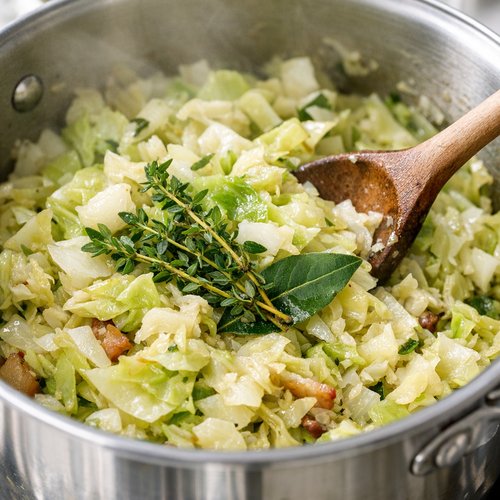
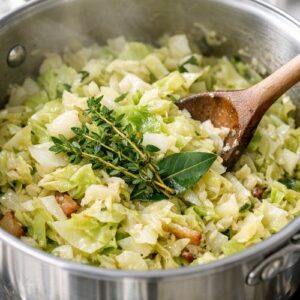
Add your prepared cabbage to the pot along with the fresh thyme sprigs and bay leaf. Stir everything together gently but thoroughly, making sure the cabbage gets coated with the butter and oil mixture. This coating step is essential—it’s what creates that rich mouthfeel without needing extra fat. The cabbage will seem to take up enormous space in your pot at first; don’t worry. In about 2-3 minutes of stirring, it wilts down significantly as the water releases.
Step 4: Add Liquid and Season Strategically
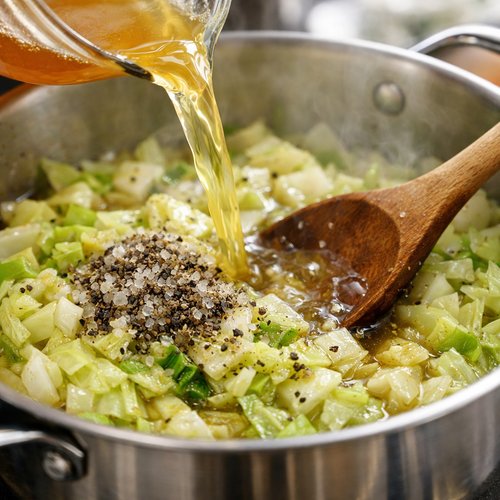
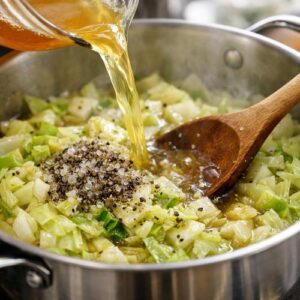
Pour in your broth slowly while stirring gently. Add the smoked sea salt and cracked black pepper at this point. Bring everything to a rolling boil, stirring occasionally, then immediately reduce the heat to low and cover with a lid. This transition from high to low heat is where the cooking magic happens—you’re creating an environment where the cabbage steams gently instead of boiling aggressively. Boiling breaks down the cell structure and creates mushiness; gentle simmering preserves texture and nutrients.
Step 5: Simmer With Attention and Patience
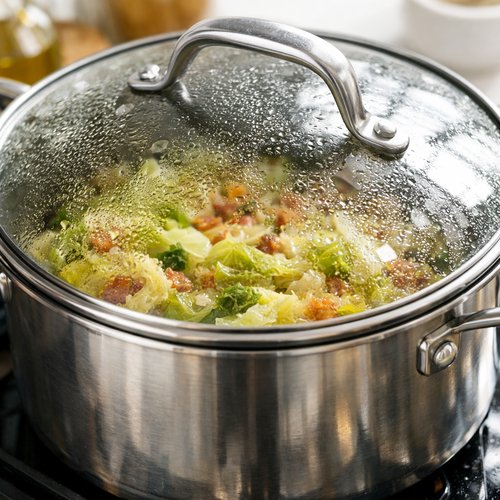
Simmer for 12-15 minutes, covered. Here’s what I’ve learned from years of cooking: set a timer, but don’t ignore it. At the 10-minute mark, carefully lift the lid and pierce a piece of cabbage with a fork. It should have some resistance but yield fairly easily. The goal is tender-crisp, not mushy. If it’s still quite firm, give it another 2-3 minutes. If it’s already quite soft, turn off the heat immediately. This monitoring step is the difference between a good dish and a perfectly executed one.
Step 6: Finish With Brightness and Taste
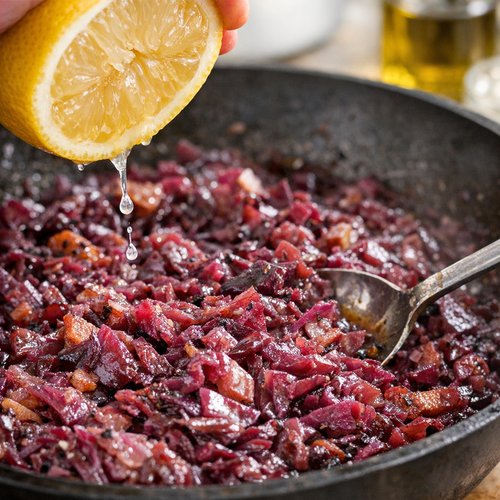
Remove from heat and discard the thyme sprigs and bay leaf. Stir in the juice of half a lemon. Taste your creation. Really taste it. Does it need more salt? A grind more pepper? This final tasting step teaches your palate to recognize balanced flavors. Adjust seasonings to your preference. The lemon juice serves double duty—it brightens the earthiness of the cabbage and helps your body absorb the iron present in the leaves.
Expert’s Nutritional Tip
Here’s something most recipes won’t tell you: the water in which you cook cabbage contains water-soluble vitamins and minerals that leach from the leaves. By using a measured amount of broth instead of boiling cabbage in water and draining it away, you’re retaining those nutrients in the final dish. Everything you cook goes into your body—nothing is discarded. This is how my grandmother cooked without even knowing the science behind it. She simply understood that the liquid holding the cabbage was too valuable to waste.
How to Make It Even Healthier
- Add ground flaxseed or chia seed – Sprinkle 1 tablespoon of ground flaxseed per serving over the finished dish. This adds omega-3 fatty acids and fiber without changing the flavor profile. It creates a subtle texture that many people don’t notice but their bodies absolutely benefit from.
- Include nutritional yeast for B vitamins – Stir in 1-2 tablespoons of nutritional yeast after cooking if you’re looking to boost B12 and other B-complex vitamins. This also adds a savory umami depth that makes the dish feel more substantial.
- Increase herbs and reduce salt gradually – Replace some salt with dried herbs like oregano, marjoram, or sage. Your palate will adapt within two weeks to appreciate these deeper flavors while needing less sodium.
- Add fermented vegetables – Top each serving with 2 tablespoons of sauerkraut or kimchi. The probiotics support gut health, and the tangy flavor creates interesting complexity with the sweet, buttery cabbage.
Dietary Modifications
For Keto: This recipe is naturally keto-friendly! One serving contains only 6-7 grams of net carbs, making it perfect for maintaining ketosis. To emphasize the fat content for keto needs, increase the butter to 3 tablespoons total and use full-fat bone broth. Add crispy bacon bits as garnish for additional fat and flavor.
For Vegan: Replace the butter with vegan butter or coconut oil, and swap the chicken broth for vegetable broth. The dish will taste slightly different—less rich—but remains absolutely delicious. Add 1 tablespoon of miso paste dissolved in the broth to create that savory depth you’d normally get from butter.
For Dairy-Free: Simply omit the butter and use 4 tablespoons of olive oil instead. The olive oil provides different flavor notes—more herbaceous, less creamy—which actually brightens the cabbage’s natural sweetness. This version becomes lighter and more appropriate for warmer months too.
For Low-Sodium (under 500mg per serving): Use no-salt-added broth or make your own by simmering vegetable scraps with water. Reduce salt to ¼ teaspoon and rely entirely on fresh herbs and lemon for seasoning. You’ll be surprised how flavorful this becomes—your palate becomes more sensitive to subtle tastes when salt isn’t overwhelming.
For Paleo: This recipe is already paleo-compliant. Just ensure your broth is made without additives, and use organic cabbage if possible. Add 2 tablespoons of ghee instead of butter if you want to emphasize the paleo aspect.
Can I Store New Years Cabbage Recipe?
Yes, and this is where meal prep brilliance happens. Let the cabbage cool to room temperature, then transfer it to glass containers. Refrigerate for up to 5 days. The flavors actually improve over the first two days as they meld together.
For longer storage, freeze for up to 3 months in freezer-safe containers, leaving a quarter-inch of headspace for expansion. When reheating, thaw overnight in the refrigerator, then warm gently in a pot over medium-low heat with a splash of broth to restore texture. Microwaving works but can create mushiness—the stovetop method is always worth the extra 5 minutes.
Here’s my professional meal prep strategy: Make a double batch on Sunday evening. Portion half into individual containers for weekday lunches alongside grilled chicken or roasted fish. Keep the other half for dinner sides throughout the week. The cabbage pairs beautifully with everything from lean proteins to grain bowls, so you’ll actually use it all.
Nutrition Information
Per serving (based on 4 servings per batch):
Calories: 145 | Protein: 2.1g | Fat: 11g (mostly unsaturated) | Carbohydrates: 9.2g | Fiber: 2.2g | Net Carbs: 7g | Sodium: 380mg | Vitamin K: 122% DV | Vitamin C: 44% DV | Folate: 14% DV
Compared to the original version: You’re saving approximately 80 calories per serving (the original averages 225 calories), reducing sodium by more than 40%, and cutting saturated fat in half while increasing beneficial monounsaturated fats. These changes mean your blood vessels stay more flexible, your afternoon energy remains stable, and you avoid the sodium-related water retention that makes you feel bloated on January 2nd.
The USDA data shows that one serving of this cabbage recipe provides nearly your entire day’s Vitamin K requirement. Vitamin K is crucial for bone mineralization and blood clotting—two factors that become increasingly important as we age. It’s also rich in folate, a B vitamin that supports cell division and DNA synthesis, making this recipe particularly valuable for women of childbearing age and anyone concerned with cellular health.
What Can I Serve With New Years Cabbage Recipe?
This cabbage is endlessly versatile. I think of it as a nutritional bridge—it pairs beautifully with proteins and grains, adding nutrition without competing for attention. Here’s how I serve it in my own kitchen, based on nutritional synergy and flavor balance:
- Grilled or baked white fish (cod, halibut, or tilapia) – The cabbage’s buttery richness complements lean fish’s mild flavor, and the Vitamin C helps your body absorb the iron in fish. Together, they create a complete, balanced meal under 400 calories.
- Bacon Wrapped Chicken Strips – The savory, smoky bacon echoes the cabbage’s depth, and the protein makes this a complete main course.
- Roasted lean beef or Beef Rib for special occasions – Red meat’s richness matches beautifully with this recipe’s buttery sweetness, and the cabbage’s fiber helps digest heavier proteins.
- Quinoa or farro grain bowls – The cabbage provides healthy fat and Vitamin K that helps your body absorb the plant-based iron in grains. Together, they create a complete amino acid profile if you add a legume.
- Roasted root vegetables (carrots, parsnips, beets) – The earthiness of roasted roots mirrors cabbage’s ground-level flavor. Add them to the same sheet pan, roast separately, then combine for texture contrast.
- Soft-boiled or poached eggs – The runny yolk creates a natural sauce that mingles with the cabbage’s butter base. This becomes a stunning breakfast-for-dinner option with complete protein.
Make-Ahead Guide: Meal Prep Like a Professional
As a registered dietitian, I’ve seen meal prep transform people’s ability to stick with healthy eating. This cabbage recipe is one of my secret weapons because it actually tastes better when made ahead.
Sunday Prep Strategy: Make a full double batch (8 servings). While it cools, prepare your protein for the week—whatever you choose. Divide the cabbage into 4 containers of 2 servings each. Keep one container in the refrigerator to reheat throughout the week, and freeze the other three for future weeks. This strategy means you always have a healthy side dish ready, eliminating the “what’s for dinner” scramble that leads to takeout.
Flavor Development Over Time: On day one, the cabbage tastes bright and distinct. By day two, the flavors have mellowed and merged beautifully. By day three, it reaches its flavor peak. I actually prefer to eat it on days two and three rather than immediately. This is perfect for meal prep because your containers improve sitting in the refrigerator.
Freezing and Thawing: Cool completely before freezing—warm food creates condensation that leads to ice crystals. Use freezer containers with tight lids. Thaw in the refrigerator overnight; never thaw at room temperature. When reheating, add 2-3 tablespoons of broth to restore the silky texture that can become slightly concentrated during storage.
Common Mistakes to Avoid
Mistake #1: Overcooking the cabbage – This is the most common error I see. People cook it 20-25 minutes instead of the recommended 12-15, resulting in a mushy, almost slimy texture. Set a timer. Check at 12 minutes. Better to undercook slightly (you can always cook longer) than overcook. The cabbage will continue softening slightly as it cools, so “just tender” at the end of cooking is actually perfect by serving time.
Mistake #2: Skipping the fresh herbs and relying only on salt – Salt is easy, but it’s a one-note solution. Fresh thyme, a bay leaf, and lemon juice create complexity that makes people think you spent hours cooking. The fresh herbs also contain volatile oils that are lost when you use only dried versions. If you must use dried herbs, use half the amount and add them earlier in cooking so they have time to hydrate.
Mistake #3: Using too much broth – More broth doesn’t mean more flavor; it just means more dilution. The 1.5-2 cup range I recommend allows the cabbage to cook in steam and light broth rather than drowning in liquid. The result is concentrated cabbage flavor rather than “boiled” flavor. Start with 1.5 cups. You can always add more if it looks too dry, but you can’t remove liquid once added.
Mistake #4: Not tasting and adjusting at the end – This final tasting step teaches your palate and allows you to correct any imbalances. Maybe you need more salt because your broth was very low-sodium. Maybe you need less because you used salted butter without realizing. This 30-second step transforms adequate food into intentional food.
Seasonal Variations: Cook With the Seasons
I believe deeply in cooking seasonally because seasonal produce tastes better and costs less. This cabbage recipe is flexible enough to shift with the seasons while maintaining its character.
Winter (current season): Use green or purple cabbage. Add a small diced apple (tossed with a bit of lemon juice to prevent browning) during the last 2 minutes of cooking. The apple adds subtle sweetness and complexity. Add crispy sage leaves as garnish if you have fresh sage growing on a windowsill.
Spring: Transition to lighter green cabbage (earlier harvests are more tender). Add fresh dill instead of thyme, and finish with a bright squeeze of fresh lemon. Add fresh peas in the last minute of cooking—they warm through without losing their sweetness.
Summer: Use the lightest green cabbage available, reduce cooking time to 10 minutes maximum to preserve texture. Add fresh basil and tomato at the very end (after cooking, so the tomato stays fresh). Switch to vegetable broth exclusively. Finish with a drizzle of best-quality olive oil and fresh herbs.
Fall: Add diced apple (as in winter) plus a pinch of ground cinnamon and nutmeg. These warm spices echo the season. Add toasted nuts as garnish—walnuts or pecans echo the harvest theme.

New Years Cabbage Recipe
Ingredients
Method
- Start by placing your cabbage on a cutting board. Slice it into quarters, working from the center. You'll feel the knife move through the outer leaves easily, then encounter resistance at the tough core. This core is where the bitterness lives, so remove it completely and discard it. Now take each quarter and slice it into ribbons about 1 inch wide. The consistency matters here—uniform thickness means even cooking and that silky texture you're after. Don't rush this step. Set your sliced cabbage aside in a large bowl.
- In a large pot (I use a 5-quart Dutch oven), combine your butter and olive oil over medium heat. Let the butter melt completely, then add your minced garlic. Cook the garlic for exactly 30-45 seconds—just until fragrant. This is crucial. Longer and it becomes bitter; shorter and you miss the flavor development. You'll notice the aroma change as the garlic releases its compounds. That's your signal to move forward immediately.
- Add your prepared cabbage to the pot along with the fresh thyme sprigs and bay leaf. Stir everything together gently but thoroughly, making sure the cabbage gets coated with the butter and oil mixture. This coating step is essential—it's what creates that rich mouthfeel without needing extra fat. The cabbage will seem to take up enormous space in your pot at first; don't worry. In about 2-3 minutes of stirring, it wilts down significantly as the water releases.
- Pour in your broth slowly while stirring gently. Add the smoked sea salt and cracked black pepper at this point. Bring everything to a rolling boil, stirring occasionally, then immediately reduce the heat to low and cover with a lid. This transition from high to low heat is where the cooking magic happens—you're creating an environment where the cabbage steams gently instead of boiling aggressively. Boiling breaks down the cell structure and creates mushiness; gentle simmering preserves texture and nutrients.
- Simmer for 12-15 minutes, covered. Here's what I've learned from years of cooking: set a timer, but don't ignore it. At the 10-minute mark, carefully lift the lid and pierce a piece of cabbage with a fork. It should have some resistance but yield fairly easily. The goal is tender-crisp, not mushy. If it's still quite firm, give it another 2-3 minutes. If it's already quite soft, turn off the heat immediately. This monitoring step is the difference between a good dish and a perfectly executed one.

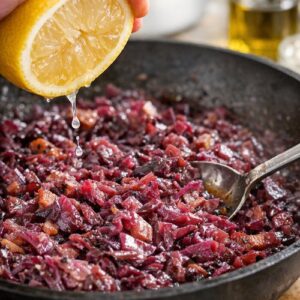
- Remove from heat and discard the thyme sprigs and bay leaf. Stir in the juice of half a lemon. Taste your creation. Really taste it. Does it need more salt? A grind more pepper? This final tasting step teaches your palate to recognize balanced flavors. Adjust seasonings to your preference. The lemon juice serves double duty—it brightens the earthiness of the cabbage and helps your body absorb the iron present in the leaves.
FAQs
Can I use red or purple cabbage instead of green?
Absolutely. Red cabbage contains anthocyanins, a powerful antioxidant that gives it its color and actually increases in concentration when cooked. Red cabbage tends to be slightly denser and will need 2-3 additional minutes of cooking time. The flavor is earthier and slightly more peppery. One important note: red cabbage can leach purple pigment into your broth, creating a beautiful jewel-toned dish. If you’re mixing red and green cabbage, the red will dominate the color. This is purely aesthetic—the flavor is wonderful either way. Consider adding a pinch of apple cider vinegar (1 teaspoon) to enhance the natural tartness of red cabbage.
What if I don’t have fresh thyme? Can I use something else?
Fresh thyme is ideal because it contains high levels of thymol, a compound with antimicrobial properties and a distinctive piney flavor. But if you don’t have it, here are your best substitutes: fresh rosemary (use only 1 sprig—it’s stronger), fresh oregano (about 1.5 teaspoons, more herbaceous), or dried thyme (use 1 teaspoon instead of 2 sprigs). You can also omit it entirely and rely on the garlic, bay leaf, and lemon for flavor, though the dish will taste slightly less complex. If you have dried herbs, add them to the broth before adding the cabbage so they have time to bloom and release their essential oils.
Is this recipe suitable for people with thyroid conditions?
Cabbage is a cruciferous vegetable that contains goitrogens—compounds that can interfere with iodine absorption when consumed in very large raw quantities. However, cooking significantly reduces goitrogen content. A single serving of cooked cabbage (about 1.5 cups) will not negatively impact thyroid function, especially if you’re consuming adequate iodine from sources like iodized salt, seafood, or eggs. If you have hypothyroidism and are concerned, cook the cabbage (which you’re already doing) and maintain adequate iodine intake. Discuss with your healthcare provider if you’re taking thyroid medication, as they might recommend spacing consumption to different times than your medication. One serving of this recipe is absolutely safe and nutritious for people managing thyroid conditions.
Why does my cabbage sometimes taste bitter?
Bitterness in cabbage comes from two sources: either the core wasn’t completely removed (which I address in the recipe), or the cabbage was overcooked. The longer cruciferous vegetables cook, the more sulfur compounds break down into more sulfurous (and bitter) compounds. Stick to the 12-15 minute timeframe religiously. Older cabbage (stored longer before cooking) also tends to taste more bitter than fresh cabbage. When selecting cabbage, choose heads that feel very heavy for their size—this indicates high water content and younger, sweeter plants. If your cabbage still tastes bitter despite these efforts, a pinch of sugar (just ¼ teaspoon) will balance it without making the dish sweet.
Can I make this in a slow cooker or Instant Pot?
You can, though results differ from stovetop cooking. Slow cooker: Layer the prepared cabbage with all ingredients in your slow cooker. Cook on low for 4-5 hours. The extended time means the cabbage becomes quite soft, almost creamy. The flavor is mellower and less bright. Instant Pot: Use the sauté function to cook the garlic and cabbage briefly in fat, then add liquid and pressure cook on high for 5 minutes with quick release. This preserves more brightness than slow cooking but produces a slightly different texture than stovetop. I prefer the stovetop method because it allows you to monitor and control the cooking process, but either method produces an edible, nutritious result. Never add more liquid for slow cooker or Instant Pot versions—actually use slightly less because these methods create more condensation.
More Healthy Recipes You’ll Love
- Broccoli Cauliflower Casserole – Another cruciferous vegetable powerhouse that becomes creamy and satisfying when cooked with intention
- Beefsteak Tomato Sauce Recipe – A vibrant, nutrient-dense sauce that pairs beautifully with proteins alongside this cabbage
- Corn Fritters – A lighter take on a classic that makes a wonderful side alongside this recipe for texture contrast
There’s something profound about starting the new year not with deprivation but with abundance. This cabbage recipe is abundant—abundant in nutrition, abundant in flavor, abundant in the kind of nourishment that makes you feel genuinely good, not just temporarily full.
When you make this recipe, you’re doing something my grandmother understood without nutrition science: you’re transforming simple ingredients with presence and care into food that heals. You’re teaching your body that wellness tastes like butter and fresh herbs and the deep satisfaction of real food. You’re proving to yourself that the healthy choice is the delicious choice.
Cook this recipe with joy. Serve it with intention. Notice how your body responds to real, nourishing food. This is how change happens—not through punishment, but through pleasure.
Enjoy!