
Ingredients
Method
Step 1: Prepare Your Cabbage With Intention
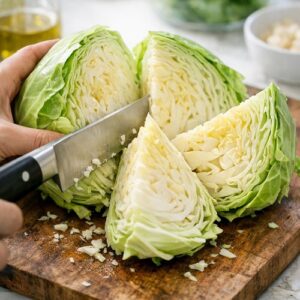
- Start by placing your cabbage on a cutting board. Slice it into quarters, working from the center. You'll feel the knife move through the outer leaves easily, then encounter resistance at the tough core. This core is where the bitterness lives, so remove it completely and discard it. Now take each quarter and slice it into ribbons about 1 inch wide. The consistency matters here—uniform thickness means even cooking and that silky texture you're after. Don't rush this step. Set your sliced cabbage aside in a large bowl.
Step 2: Build Your Flavor Base With Fat
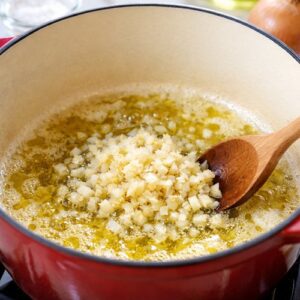
- In a large pot (I use a 5-quart Dutch oven), combine your butter and olive oil over medium heat. Let the butter melt completely, then add your minced garlic. Cook the garlic for exactly 30-45 seconds—just until fragrant. This is crucial. Longer and it becomes bitter; shorter and you miss the flavor development. You'll notice the aroma change as the garlic releases its compounds. That's your signal to move forward immediately.
Step 3: Introduce the Cabbage With Proper Technique
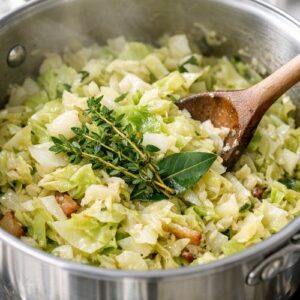
- Add your prepared cabbage to the pot along with the fresh thyme sprigs and bay leaf. Stir everything together gently but thoroughly, making sure the cabbage gets coated with the butter and oil mixture. This coating step is essential—it's what creates that rich mouthfeel without needing extra fat. The cabbage will seem to take up enormous space in your pot at first; don't worry. In about 2-3 minutes of stirring, it wilts down significantly as the water releases.
Step 4: Add Liquid and Season Strategically
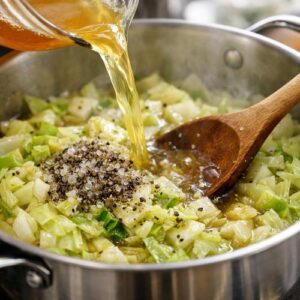
- Pour in your broth slowly while stirring gently. Add the smoked sea salt and cracked black pepper at this point. Bring everything to a rolling boil, stirring occasionally, then immediately reduce the heat to low and cover with a lid. This transition from high to low heat is where the cooking magic happens—you're creating an environment where the cabbage steams gently instead of boiling aggressively. Boiling breaks down the cell structure and creates mushiness; gentle simmering preserves texture and nutrients.
Step 5: Simmer With Attention and Patience
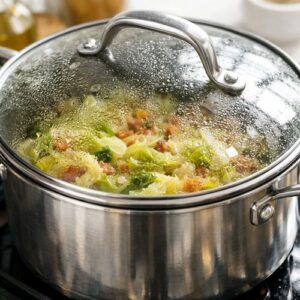
- Simmer for 12-15 minutes, covered. Here's what I've learned from years of cooking: set a timer, but don't ignore it. At the 10-minute mark, carefully lift the lid and pierce a piece of cabbage with a fork. It should have some resistance but yield fairly easily. The goal is tender-crisp, not mushy. If it's still quite firm, give it another 2-3 minutes. If it's already quite soft, turn off the heat immediately. This monitoring step is the difference between a good dish and a perfectly executed one.
Step 6: Finish With Brightness and Taste
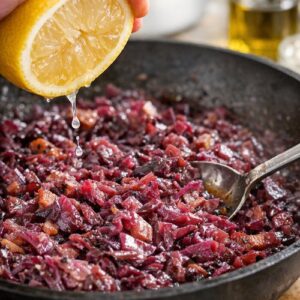
- Remove from heat and discard the thyme sprigs and bay leaf. Stir in the juice of half a lemon. Taste your creation. Really taste it. Does it need more salt? A grind more pepper? This final tasting step teaches your palate to recognize balanced flavors. Adjust seasonings to your preference. The lemon juice serves double duty—it brightens the earthiness of the cabbage and helps your body absorb the iron present in the leaves.