
This post contains affiliate links. As an Amazon Associate I earn from qualifying purchases.
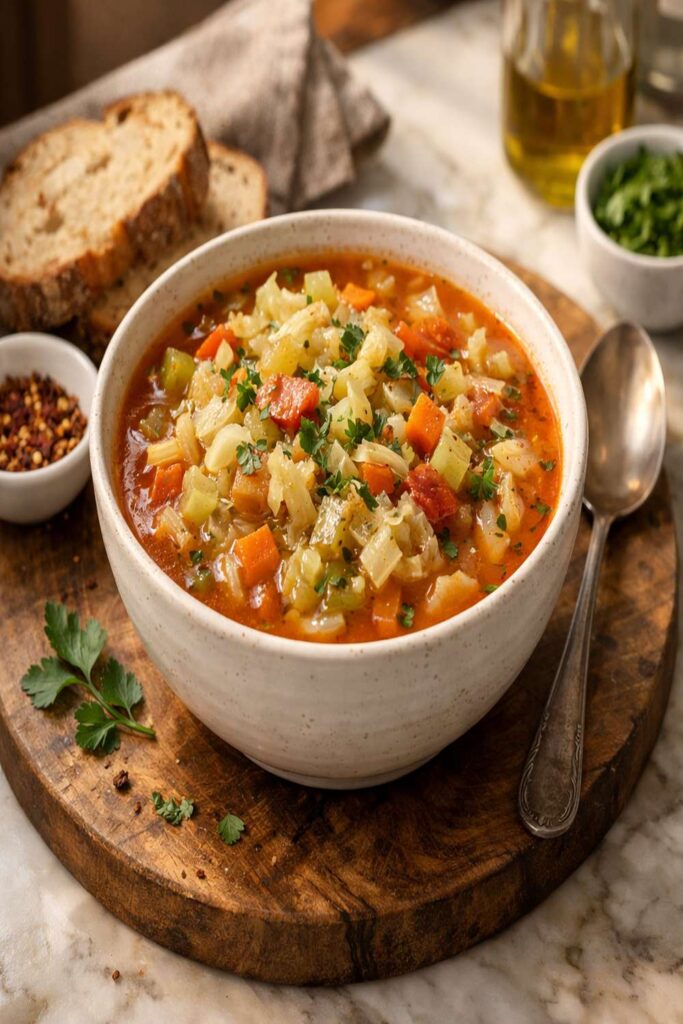
I still remember standing in my grandmother’s kitchen on a cold Syracuse afternoon, watching her transform a head of cabbage, a handful of vegetables, and chicken broth into something that felt like pure comfort. She’d say, “Irene, the best meals don’t need fancy ingredients—they need your attention and love.” That lesson stuck with me through my entire career as a registered dietitian, and it’s exactly what this low calorie cabbage soup embodies. This isn’t a trendy wellness soup that tastes like guilt; it’s a real, nourishing bowl that happens to be naturally light and satisfying.
Authentic Low Calorie Cabbage Soup Recipe: The Story Behind the Humble Bowl
When I first became a dietitian, I watched so many clients approach “healthy eating” like a punishment—restrictive, joyless, temporary. That’s when I realized I needed to bridge the gap between clinical nutrition and the food we actually want to eat. This cabbage soup recipe represents that bridge perfectly. It’s the kind of dish that appears in kitchens across Eastern Europe, parts of Asia, and immigrant communities throughout America—not because it’s trendy, but because it works. It stretches a budget, feeds a family, and makes your home smell like warmth.
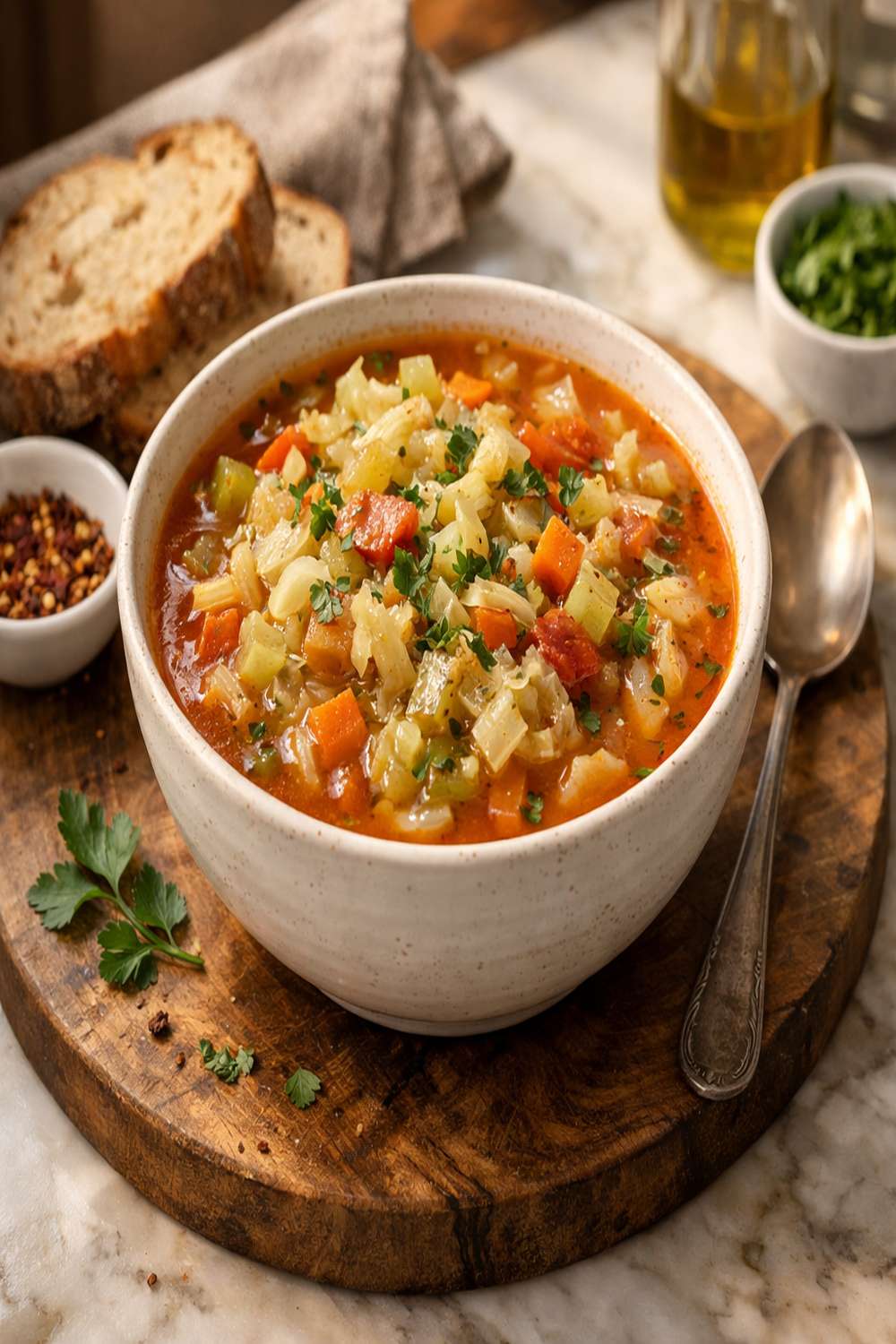
Over the years, I’ve made this soup hundreds of times—for my own family during busy seasons, for clients managing their weight in a sustainable way, and for friends going through challenging times. Every single time, the response is the same: “This tastes better than something so good-for-you should taste.” That’s the real magic here.
The History and Cultural Significance of Low Calorie Cabbage Soup Recipe
Cabbage soup sits at the intersection of several food traditions. In Eastern European cuisine, borscht and cabbage-based soups have been staples for centuries—cheap, hardy vegetables that could be stored through brutal winters and combined with whatever protein was available. Russian families relied on cabbage soup as a foundation meal. Polish households made variations with sauerkraut. When immigrants brought these traditions to America, the recipes evolved but the core remained: simple vegetables, broth, and the understanding that humble ingredients create profound nourishment.
What’s fascinating from a nutritional anthropology perspective is that many traditional cultures arrived at cabbage-based meals not because cabbage was nutritionally superior, but because it was available year-round and incredibly economical. Yet, we now know that cabbage is genuinely one of the most nutrient-dense vegetables we can eat—high in vitamin C, fiber, and various phytonutrients, while being almost impossibly low in calories. These cuisines stumbled onto nutritional wisdom through practical necessity.
The modern “cabbage soup diet” became popular in the 1990s, often promoted as a quick-fix weight loss tool. I’m not a fan of that framing because it misses the point entirely. This isn’t about rapid weight loss; it’s about building eating patterns that nourish your body, satisfy your soul, and fit into real life. That’s where the true transformation happens.
What Makes an Authentic Low Calorie Cabbage Soup Recipe
There’s a difference between vegetable broth served in a bowl and true cabbage soup. Authenticity here comes down to a few key elements that work together to create something greater than the sum of its parts. When I teach nutrition clients or demo recipes in my Syracuse kitchen, I always emphasize that these aren’t arbitrary choices—they’re the result of generations of cooking wisdom.
- A solid broth base—not water – Using quality chicken broth (or vegetable broth for a lighter option) creates a foundation with actual flavor. This matters because when you’re eating light, every taste element needs to work harder. A homemade or quality store-bought broth adds body and umami that makes a 200-calorie bowl feel genuinely satisfying.
- Aromatic vegetables cooked until fragrant – Starting with garlic, onions, and celery isn’t just flavor building; it’s a technique that activates compounds and creates depth. This layer of cooking before adding everything else is what separates “vegetable water” from real soup.
- Fresh herbs and spices balanced thoughtfully – Oregano, basil, and a hint of red pepper flakes add complexity without calories. The traditional herb combination isn’t random—it’s proven to work across hundreds of years of cooking.
- Proper cooking time that respects the cabbage – Rushing this step means mushy, unpleasant texture. Genuine cabbage soup gives the cabbage time to become tender but maintain its integrity and slight sweetness.
The Ingredients—Sourcing the Real Thing
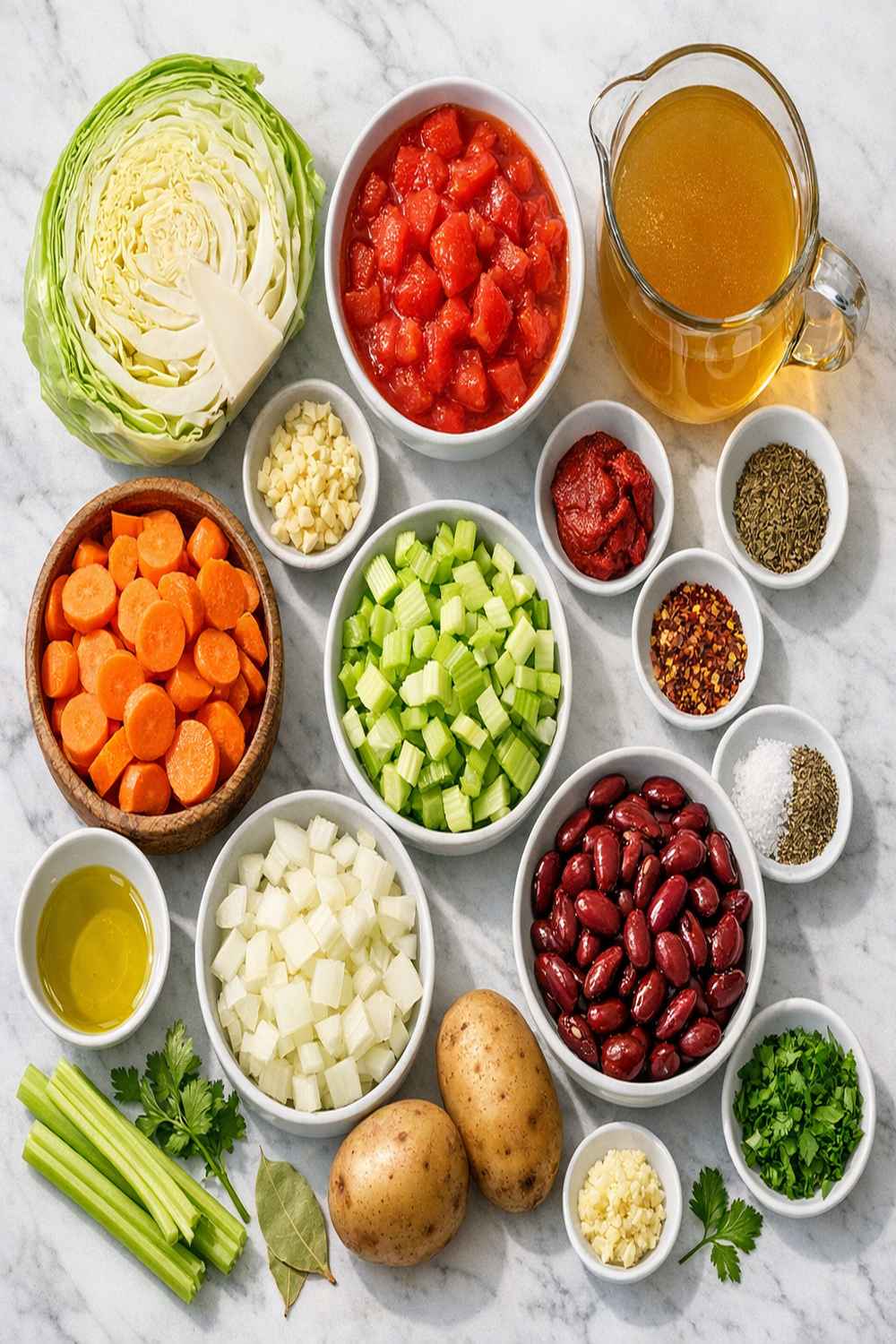
I’m a big believer in seasonal, accessible ingredients. You don’t need a specialty store or mail-order service to make exceptional cabbage soup. In fact, some of the best versions I’ve made used vegetables from my local farmers market in late summer or the regular grocery store year-round. Let me walk you through what you’ll need and why each ingredient matters.
- 1 can (14 ounces) diced tomatoes with basil and oregano (canned tomatoes are excellent because they’re picked at peak ripeness)
- 1 large green bell pepper, diced (adds crisp texture and vitamin C)
- 2 bay leaves (adds subtle depth, remove before serving)
- 6 cups low-sodium chicken broth (homemade is wonderful, but quality store-bought works perfectly)
- ½ teaspoon fine sea salt, or to taste (I recommend tasting before adding salt—broth provides quite a bit)
- 3-4 stalks of celery, diced (contributes mineral content and traditional soup structure)
- 1 medium head of green cabbage (roughly 1.5 pounds), chopped (the backbone of the soup—traditional varieties work beautifully)
- 1 tablespoon fresh lemon juice (optional, but adds brightness at the end)
- ½ teaspoon crushed red pepper flakes (adjustable based on your heat preference)
- 1 teaspoon dried oregano (Greek oregano is my preference for deeper flavor)
- 3 tablespoons extra-virgin olive oil (good quality brings better flavor and heart-healthy fats)
- 1 large yellow onion, diced (aromatic base that caramelizes slightly during cooking)
- 1 teaspoon dried basil (or fresh if you have it; add fresh herbs in the last 2 minutes of cooking)
- ¼ teaspoon freshly cracked black pepper (freshly cracked makes a noticeable difference)
- 4 medium carrots, diced (adds natural sweetness and beta-carotene for about 20 calories per carrot)
- 3 cloves fresh garlic, minced (minced rather than chopped ensures even distribution of flavor)
Ingredient Notes: I prefer this recipe with chicken broth because it’s traditional and adds body, but vegetable broth works beautifully if you want to keep it plant-based. The canned tomatoes with herbs are convenient, but you can absolutely use plain diced tomatoes and adjust seasonings. All of these ingredients are available at any standard grocery store, making this genuinely accessible cooking.
The Traditional Method: How to Make Authentic Low Calorie Cabbage Soup Recipe
This isn’t complicated cooking, but it does benefit from paying attention. As a dietitian and a home cook, I believe that slowing down and being present in the kitchen is actually part of what makes food nourishing. You’re not just creating calories and nutrients; you’re creating something intentional. Let me walk you through this step-by-step, the way my grandmother taught me.
Step 1: Build Your Aromatic Base with Oil and Vegetables
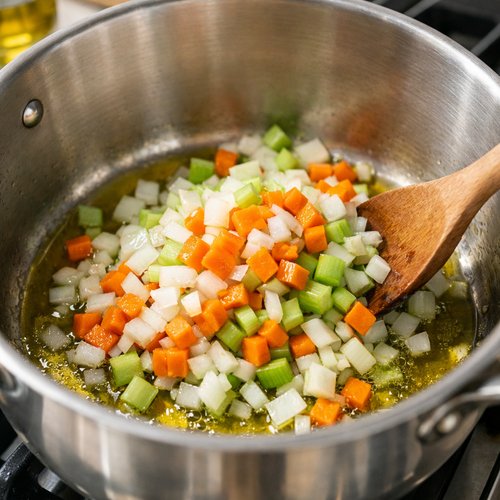
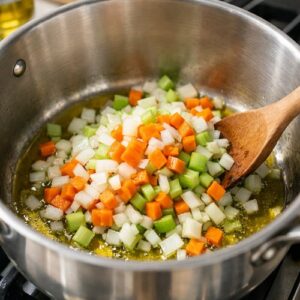
Pour your three tablespoons of olive oil into a large pot and warm it over medium heat. Once shimmering, add your diced onions, carrots, celery, and bell pepper. Here’s what’s important: don’t rush this step. Let these vegetables cook for about 5-7 minutes, stirring occasionally, until they soften just slightly and begin to release their natural sugars. You’re not looking for caramelization here—just the beginning of tenderness. This is aromatics 101, and it’s the foundation of everything that follows. The vegetables should smell noticeably sweeter and more fragrant than when you started.
Step 2: Add Garlic and Let It Bloom
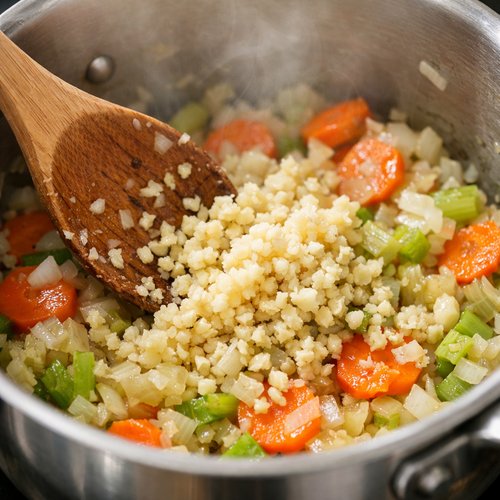
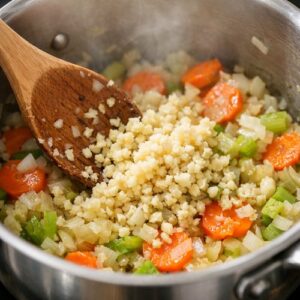
Once your base vegetables have softened, add your minced garlic and stir constantly for about 90 seconds. You’ll smell a dramatic shift—that’s the garlic’s volatile compounds activating. Watch carefully here; garlic can burn quickly over medium heat. Once it’s fragrant but before it colors, you’re ready for the next step. This brief cooking time mellows the raw garlic bite while keeping its characteristic flavor. It’s a small move that makes a big difference.
Step 3: Add Broth and Bring to a Simmer
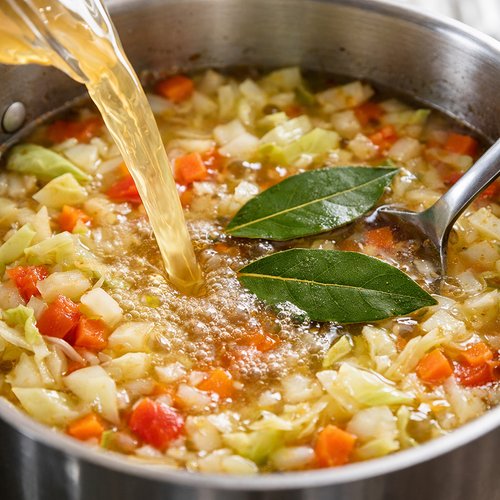
Pour in your six cups of chicken broth and add the bay leaves. Stir everything together and bring the liquid to a gentle boil—you’ll see small, active bubbles breaking the surface. This usually takes about 5 minutes from a cold start. Don’t skip the boil step; it helps to marry flavors and establish the cooking environment properly.
Step 4: Introduce the Cabbage and Tomatoes
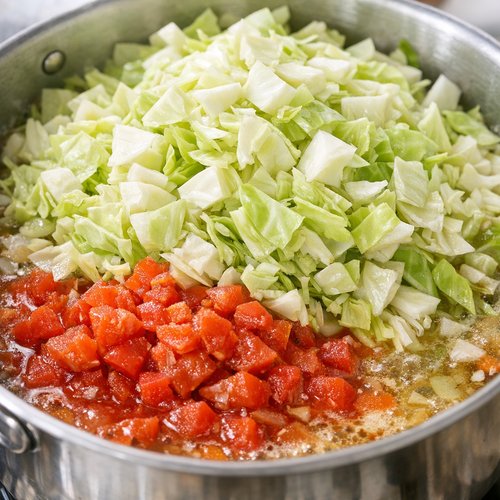
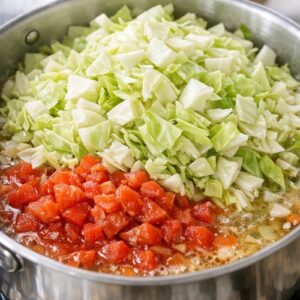
Once your broth is at a boil, add your chopped cabbage and the entire can of diced tomatoes with their juices. The cabbage volume will look enormous at first—don’t panic. It will cook down significantly as it releases moisture and becomes tender. Stir well, making sure the cabbage is submerged as much as possible. The broth will temporarily cool down; that’s normal.
Step 5: Reduce Heat and Simmer Until Tender
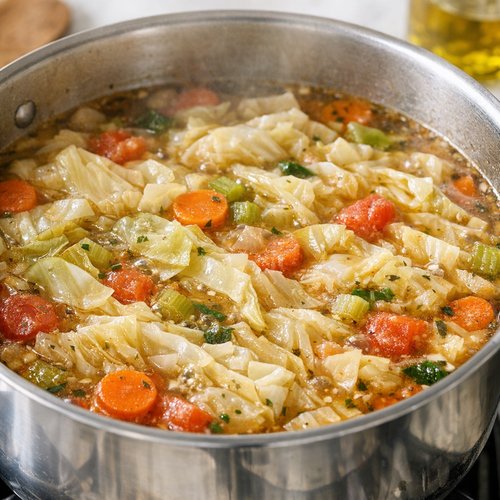
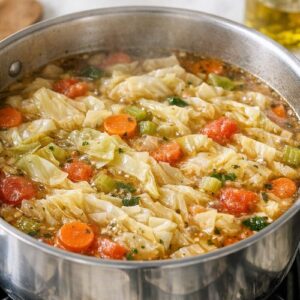
Bring the soup back to a boil, then reduce heat to medium-low and simmer gently for 20-25 minutes. The cabbage should become truly tender but not falling apart completely. You want to be able to pierce it easily with a fork, and it should taste sweet rather than raw or sulfurous. If you prefer your vegetables softer, cook for an additional 5 minutes. This simmering time is when the flavors actually integrate, so resist the urge to rush. A gently rolling simmer (not a hard boil) gives you the best texture.
Step 6: Season and Taste Carefully
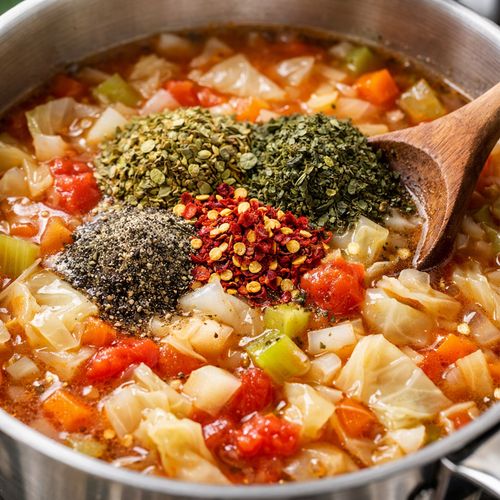
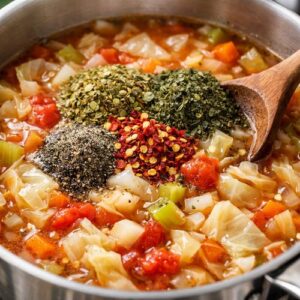
Once the cabbage is tender, add your oregano, basil, red pepper flakes, and black pepper. Stir well and let it cook for another minute so the dried herbs rehydrate and distribute evenly. Now comes the critical part: taste your soup. Your broth already contains sodium, so often you don’t need additional salt. If it needs it, add just ¼ teaspoon first and taste again. Adjust the red pepper flakes if you want more heat. If you’re using fresh basil (which I recommend if you have it), add it now and let it wilt for just 30 seconds before serving. A squeeze of fresh lemon juice is my secret finishing touch—it brightens everything without adding calories.
Step 7: Remove Bay Leaves and Serve
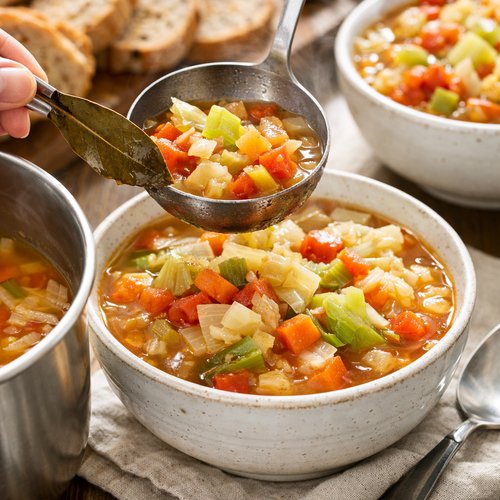
Fish out those bay leaves before serving. Ladle into bowls and serve warm. This makes about 8-10 servings, depending on bowl size. Each serving contains roughly 120-150 calories, with about 4 grams of fiber and excellent micronutrient content—exactly what you want from a satisfying, truly healthy meal.
Regional Variations Around the World
- Eastern European Tradition – Many Russian and Polish versions include beef or kielbasa for extra protein and richness, transforming the soup into more of a one-bowl meal. Some families add sauerkraut instead of fresh cabbage for a more tangy profile and the probiotic benefits of fermentation. Sour cream is traditionally drizzled on top, which adds creaminess while remaining relatively light.
- Korean Style Cabbage Soup – Korean cuisine creates a cabbage soup with gochugaru (Korean red chili flakes) and a touch of sesame oil, sometimes with gochujang for depth. Garlic and soy sauce replace the Italian herbs. This version is equally low in calories but carries completely different flavor notes—spicier, earthier, with more umami.
- American Immigrant Adaptation – In communities throughout the Northeast and Midwest, cabbage soup became a vehicle for whatever vegetables people had on hand. Some versions include green beans, zucchini, or even potatoes. The American adaptation is all about flexibility and using what’s available, which is actually wonderful for adapting the recipe seasonally or based on what you have in your kitchen.
Traditional Serving Customs
In traditional Eastern European meals, cabbage soup is often served as a starter course—a warm, filling beginning that doesn’t overwhelm before the main protein arrives. However, in my experience and professional practice, this soup works beautifully as a complete meal, especially when you’re managing your calories mindfully. I serve it in generous bowls with a slice of crusty whole grain bread or alongside a simple green salad for added freshness.
In some households, a dollop of sour cream or plain Greek yogurt is traditional, which adds creaminess and protein without excessive calories—about 30-40 calories per tablespoon. A sprinkle of fresh dill or parsley adds visual interest and a fresh note. If you want to mirror the Eastern European tradition more closely, serve it with a side of dark rye bread or whole grain crackers. The soup’s light, brothy character means it pairs well with lighter protein sides, or you can eat it solo as a complete meal.
Can I Store Low Calorie Cabbage Soup Recipe?
One of my favorite things about this soup is how brilliantly it stores and actually improves with time. The flavors develop and deepen as the ingredients continue to meld. Let me give you specific guidance from my professional experience:
Refrigerator Storage: This soup keeps beautifully in airtight containers for 4-5 days in the refrigerator. The cold environment slows bacterial growth, and the acidic tomatoes help preserve it. Always let the soup cool to room temperature before refrigerating—never put hot soup directly into a cold fridge, which affects food safety and your appliance’s efficiency.
Freezer Storage: You can freeze this soup for up to 3 months with excellent results. I recommend freezing it in individual portions using freezer bags or containers, which makes reheating convenient for busy weeknights. Leave about an inch of headspace in containers because the soup will expand slightly as it freezes. Thaw overnight in the refrigerator, then reheat gently over medium heat on the stovetop, stirring occasionally.
Reheating Tips: When you reheat, add a splash of water or broth because some liquid evaporates during cooking. Taste and adjust seasonings—sometimes a pinch more salt or a squeeze of lemon is needed after reheating. A fresh herb garnish makes reheated soup taste immediately fresher.
Make-Ahead Guide: I often prep the chopped vegetables the morning of cooking, keeping them in separate containers in the refrigerator. Cabbage oxidizes slightly and loses some vitamin C when cut, so chop it as close to cooking time as possible—ideally within a few hours. The actual cooking takes about 35-40 minutes from start to finish, making this a genuine weeknight solution.
Nutrition Information
According to USDA nutrient databases, one serving (approximately 1.5 cups) of this soup contains roughly 130 calories, with about 4 grams of dietary fiber, 3 grams of protein, and only about 0.3 grams of fat (much of it heart-healthy monounsaturated fat from olive oil). You’ll get approximately 45% of your daily value of vitamin C, 80% of your daily beta-carotene needs, and significant amounts of potassium, folate, and various phytonutrients.
What fascinates me as a dietitian is that the traditional populations who ate cabbage soup regularly had significantly lower rates of chronic disease. Cabbage contains sulforaphane and indole compounds that research suggests support cellular health. The variety of vegetables provides different types of fiber—soluble and insoluble—which support digestive health and the microbiome. The slow-digesting fiber combined with protein and fat from the olive oil means this soup actually keeps you satisfied for hours despite being relatively low in calories.
Expert’s Nutritional Tip: The real nutritional magic here is the combination of satiety and micronutrient density. Unlike many low-calorie foods that leave you hungry, this soup’s fiber content (particularly from the cabbage), combined with the volume of liquid and broth, triggers actual fullness signals in your brain. I see clients who eat this regularly naturally eat less throughout the day without feeling restricted. That’s real nutrition working, not willpower-dependent restriction.
What Can I Serve With Low Calorie Cabbage Soup Recipe?
Cabbage soup stands beautifully on its own as a complete meal, but thoughtful pairings elevate it into something special. From both a nutritional and cultural perspective, here are my go-to accompaniments:
- Whole Grain Bread or Dark Rye – Slice of crusty bread with a thin smear of good butter is traditional Eastern European styling. The bread’s complex carbohydrates and fiber complement the soup perfectly, and the ritual of dunking or soaking bread creates a more satisfying meal experience.
- Fresh Green Salad with Lemon Vinaigrette – A simple salad of mixed greens with a bright vinaigrette adds textural contrast and fresh vegetables that haven’t been cooked. This is a beautiful way to increase your overall vegetable intake in one meal.
- Protein on the Side – Grilled chicken breast, baked fish, or a small portion of lean beef completes the protein profile beautifully if you want the soup to be just soup. About 4 ounces of protein makes this a genuinely complete, balanced meal.
- Sour Cream or Greek Yogurt Dollop – A tablespoon of sour cream or Greek yogurt swirled on top adds creaminess and about 15-30 calories of richness that transforms the eating experience without adding significantly to the calorie count.
I often serve this soup as part of a larger meal when I’m entertaining—perhaps with a this cozy soup as another option for guests with different preferences. It’s light enough to precede a heartier meal but substantial enough to be the main event.
Common Mistakes to Avoid
Over my years of teaching nutrition and cooking classes, I’ve watched people make the same missteps with this soup. Let me save you the learning curve:
- Overcooking the Cabbage Until It’s Mushy – Cabbage releases sulfurous compounds when overcooked, which creates an unpleasant smell and mushy, unappetizing texture. Aim for 20-25 minutes of simmering until it’s tender but still holds its shape slightly. The soup will taste completely different—fresh and slightly sweet rather than bitter and soft.
- Skipping the Initial Vegetable Sauté – I’ve had people want to throw everything into cold broth and simmer it all together to save time. This creates flat, one-dimensional flavor. Those initial 5-7 minutes of sautéing the aromatic vegetables in oil are non-negotiable for real depth. They’re also what distinguish homemade soup from canned soup.
- Using Vegetable Water Instead of Real Broth – If you make this with water and just salt, it’s watered-down vegetable juice, not soup. A quality broth (homemade, store-bought, or even a broth concentrate) provides body and flavor that matters tremendously. This is worth the small investment.
- Adding Salt Before Tasting – Because broth is already salted, many people end up with overly salty soup by adding salt at the beginning. Taste at the end, adjust minimally, and remember that food tastes less salty when warm than when cooled. It’s better to under-salt initially and add more if needed.
Seasonal Variations
One of my favorite aspects of this soup is how naturally it adapts to seasons. This isn’t about abandoning the recipe; it’s about working with what’s at peak flavor and affordability each season:
Spring Variation: When fresh spring greens arrive, I add a handful of spinach or kale in the final minute of cooking. Fresh dill is wonderful in spring; use about a tablespoon of fresh instead of the dried herbs. Spring onions can replace regular onions for a lighter, sweeter flavor.
Summer Variation: Summer brings zucchini, fresh basil, and cherry tomatoes. Skip the canned tomatoes and use 2 cups of fresh cherry tomatoes, halved, adding them in the final 5 minutes. Fresh basil becomes your primary herb—add it at the very end to preserve its delicate flavor. Summer vegetables are so flavorful you might reduce the dried herbs slightly.
Fall Variation: Autumn is when I might add diced butternut squash or sweet potato for natural sweetness and slightly more substance. Red cabbage replaces green cabbage beautifully and adds a richer color. The same herbs work, but I might add a pinch of cumin for warmth.
Winter Variation: Deep winter is perfect for the basic recipe as written. I sometimes add a small diced parsnip for earthiness and natural sweetness. This is also when hearty additions like barley or lentils feel right, turning the soup into something more substantial if you want it.

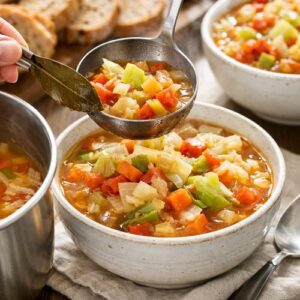
Low Calorie Cabbage Soup Recipe
Ingredients
Method
- Pour your three tablespoons of olive oil into a large pot and warm it over medium heat. Once shimmering, add your diced onions, carrots, celery, and bell pepper. Here's what's important: don't rush this step. Let these vegetables cook for about 5-7 minutes, stirring occasionally, until they soften just slightly and begin to release their natural sugars. You're not looking for caramelization here—just the beginning of tenderness. This is aromatics 101, and it's the foundation of everything that follows. The vegetables should smell noticeably sweeter and more fragrant than when you started.
- Once your base vegetables have softened, add your minced garlic and stir constantly for about 90 seconds. You'll smell a dramatic shift—that's the garlic's volatile compounds activating. Watch carefully here; garlic can burn quickly over medium heat. Once it's fragrant but before it colors, you're ready for the next step. This brief cooking time mellows the raw garlic bite while keeping its characteristic flavor. It's a small move that makes a big difference.
- Pour in your six cups of chicken broth and add the bay leaves. Stir everything together and bring the liquid to a gentle boil—you'll see small, active bubbles breaking the surface. This usually takes about 5 minutes from a cold start. Don't skip the boil step; it helps to marry flavors and establish the cooking environment properly.
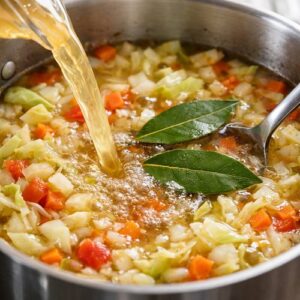
- Once your broth is at a boil, add your chopped cabbage and the entire can of diced tomatoes with their juices. The cabbage volume will look enormous at first—don't panic. It will cook down significantly as it releases moisture and becomes tender. Stir well, making sure the cabbage is submerged as much as possible. The broth will temporarily cool down; that's normal.
- Bring the soup back to a boil, then reduce heat to medium-low and simmer gently for 20-25 minutes. The cabbage should become truly tender but not falling apart completely. You want to be able to pierce it easily with a fork, and it should taste sweet rather than raw or sulfurous. If you prefer your vegetables softer, cook for an additional 5 minutes. This simmering time is when the flavors actually integrate, so resist the urge to rush. A gently rolling simmer (not a hard boil) gives you the best texture.
- Once the cabbage is tender, add your oregano, basil, red pepper flakes, and black pepper. Stir well and let it cook for another minute so the dried herbs rehydrate and distribute evenly. Now comes the critical part: taste your soup. Your broth already contains sodium, so often you don't need additional salt. If it needs it, add just ¼ teaspoon first and taste again. Adjust the red pepper flakes if you want more heat. If you're using fresh basil (which I recommend if you have it), add it now and let it wilt for just 30 seconds before serving. A squeeze of fresh lemon juice is my secret finishing touch—it brightens everything without adding calories.
- Fish out those bay leaves before serving. Ladle into bowls and serve warm. This makes about 8-10 servings, depending on bowl size. Each serving contains roughly 120-150 calories, with about 4 grams of fiber and excellent micronutrient content—exactly what you want from a satisfying, truly healthy meal.
Notes
FAQs
Can I make this soup vegan or vegetarian?
Absolutely. Simply substitute vegetable broth for chicken broth—use a quality version with good flavor since broth is essential to this soup. Everything else is naturally plant-based. If you want to add protein for vegans and vegetarians, a cup of cooked lentils or beans stirred in at the end is traditional in many European vegetarian households. The nutrition remains excellent, and the calorie count stays low unless you add significant amounts of oil beyond the initial sauté.
Is this the same as the “cabbage soup diet” from the 1990s?
It’s the same basic soup but with a completely different purpose and approach. The fad diet marketed it as a quick-fix, eat-unlimited-amounts approach, which isn’t sustainable or healthy long-term. My version is simply genuinely nourishing soup that happens to be naturally low in calories and high in nutrients. You eat it as part of a balanced approach to eating, not as the entire foundation of your diet. This is real nutrition, not diet culture.
What if I don’t like cabbage?
I understand—cabbage has a polarizing quality. You can absolutely replace it with other cruciferous vegetables like broccoli or cauliflower, though the texture will be different. Some people use mixed vegetables—greens, green beans, summer squash. However, if you’ve only had raw cabbage or overcooked cabbage, I’d genuinely encourage you to try this recipe first. Properly cooked cabbage in a flavorful broth tastes completely different from how you might imagine.
Can I add meat to make it heartier?
Yes, and many traditional versions do. Add one pound of ground beef or diced lean beef when you add the broth, breaking it apart as it browns. Or use kielbasa, sliced thin. This increases the calories to about 250-300 per serving but also increases the protein significantly, making it more of a one-bowl meal. Cook the meat first if using ground beef, drain excess fat, then continue with the recipe. This is authentic Eastern European styling and genuinely delicious.
How do I adjust the recipe if I want it spicier?
The red pepper flakes are your control here. Start with ½ teaspoon as written, then add more in ¼-teaspoon increments, stirring and tasting after each addition. Some people like to add fresh jalapeños when sautéing the base vegetables, or a dash of hot sauce after cooking. The beautiful thing about homemade soup is it’s yours to adjust—make it match your preferences exactly.
More Recipes You’ll Love
- this cozy soup – A structured approach to cabbage soup for those specifically interested in short-term dietary focus
- Beef And Macaroni Soup Recipe – A heartier soup option when you want more substance and protein
- Beefsteak Tomato Sauce Recipe – Uses similar tomato foundations for different meals throughout the week
I still think about my grandmother standing at her stove, transforming simple vegetables into something nourishing and full of care. She didn’t have nutrition science telling her what she was doing; she just understood that good food made with intention could heal and satisfy. That’s what this soup is really about. It’s proof that eating well doesn’t require complicated ingredients or restriction—it requires presence and respect for what nourishes us.
This low calorie cabbage soup is genuinely one of the most satisfying, sustainable eating patterns I’ve built for my own life and recommended to countless clients. It tastes like comfort. It works with your busy schedule. It respects your body and your health. Make it this week, and I promise you’ll understand why it’s been a kitchen staple for generations. Enjoy!