
Ingredients
Method
Step 1: Prep Your Pans and Oven
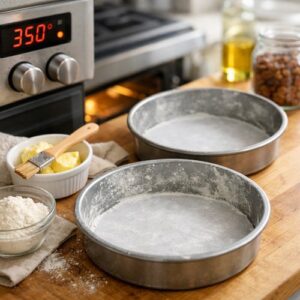
- Preheat your oven to 350°F. This is the sweet spot for pecans—hot enough to develop their natural oils and flavor, cool enough that the cake doesn't brown too quickly. Grab one 9-inch round cake pan (or two 8-inch pans if you want a thinner, faster-baking cake). Line the bottom with parchment paper and lightly grease the sides with butter or oil. For vegan versions, use coconut oil for greasing—it won't react with plant-based ingredients the same way butter might. Let your oven run for at least 10 minutes to reach full temperature. I learned from experience that oven temperature is non-negotiable for consistent results across dietary versions.
Step 2: Combine Your Dry Ingredients
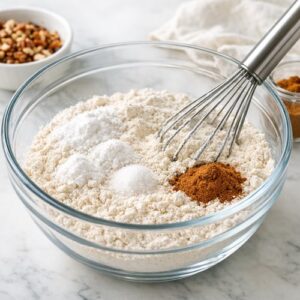
- In a large mixing bowl, whisk together your flour, baking powder, baking soda, salt, and cinnamon (if using). For traditional and gluten-free versions, this is straightforward. For keto versions, sift your almond and coconut flour mixture three times to eliminate any clumping that happens naturally with nut flours. Vegan versions use the same process as traditional. Take your time here—a thorough whisking ensures even distribution of leavening agents. This prevents dense pockets in your finished cake, which matters even more when you're working with alternative flours.
Step 3: Cream Butter and Sugars
- In a separate bowl, beat room-temperature butter with your sugars for 3-4 minutes until the mixture is light, fluffy, and noticeably pale. For keto versions using allulose or monk fruit, beat for a full 5 minutes—these sweeteners need extra aeration to incorporate properly. For vegan versions using coconut oil, reduce beating time to 2 minutes since coconut oil doesn't incorporate air the same way butter does. This creaming step is where you're building structure. The air pockets created here help the cake rise, so don't skip it or rush it. I tell my clients this is literally 4 minutes of your time that determines the texture of your finished dessert.
Step 4: Add Eggs (or Flax Eggs)
- Add your eggs one at a time, beating well after each addition. Wait until the first egg is fully incorporated before adding the second—this prevents a curdled appearance and ensures even mixing. For vegan versions, add your prepared flax eggs slowly and beat for about 1 minute between each addition. The mixture will look slightly separated, but trust the process. Add your vanilla extract and beat for another 30 seconds. Traditional, gluten-free, and dairy-free versions follow the standard egg method. Keto versions use the same process.
Step 5: Alternate Wet and Dry Ingredients
- This is a technique my grandmother always emphasized, and it matters across every dietary version. Reduce mixer speed to low. Add one-third of your dry ingredient mixture, beat until just barely combined. Add half of your buttermilk (or dairy-free alternative). Beat briefly. Add another third of dry ingredients. Add remaining buttermilk. Finally, add the last third of dry ingredients. For vegan and dairy-free versions, work quickly here—plant-based milks can separate if overmixed. For keto versions, the batter will be slightly thicker, which is correct. The entire mixing process from wet-dry alternating should take no more than 90 seconds total.

Step 6: Fold in the Pecans
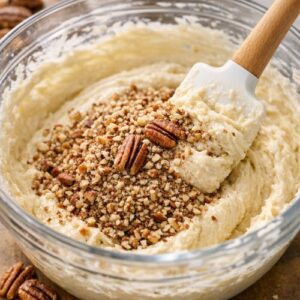
- Using a rubber spatula (not the mixer), gently fold in your finely chopped pecans. Reserve some larger pecan pieces for garnish if you'd like. The folding motion prevents deflating the air you worked so hard to incorporate. This step is identical across all dietary versions. Don't overmix here—a few small flour streaks are fine and will disappear in the oven. Overmixing develops gluten (even in gluten-free flour blends, the starch reacts the same way), making the crumb tougher.
Step 7: Bake the Cake
- Pour batter into your prepared pan and smooth the top with a spatula. Place in your preheated 350°F oven. Traditional and gluten-free cakes take 40-45 minutes. Keto cakes bake slightly faster at 38-42 minutes because there's less moisture to escape. Vegan versions take 45-50 minutes since the flax egg mixture retains slightly more moisture. The cake is done when a toothpick inserted in the center comes out with just a few moist crumbs (not wet batter, but not completely dry). The top should spring back lightly when touched, and the edges should just start pulling away from the pan. Let the cake cool in the pan for 15 minutes, then turn it out onto a wire rack to cool completely before frosting. Patience here prevents frosting from melting into warm cake. I know it's tempting to frost early—I do it too sometimes—but your structure will be better if you wait.
Step 8: Make Your Frosting
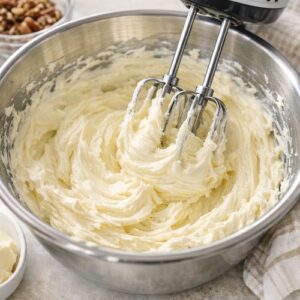
- In a clean mixing bowl, beat room-temperature cream cheese and butter (or dairy-free alternatives) together for 2-3 minutes until completely smooth and slightly fluffy. For vegan versions with cashew or coconut cream cheese, beat for a full 4 minutes as these are denser than dairy cream cheese. Add your brown sugar and vanilla extract, beating for another minute. Gradually add powdered sugar, one cup at a time, beating on low speed after each addition. Stop and scrape the bowl frequently to ensure even mixing. For keto versions, you'll need only 2-3 cups of powdered sugar; if using a keto-friendly powdered sugar alternative, add an extra tablespoon of dairy-free milk to reach the right consistency. The frosting is ready when it's spreadable but still holds peaks. If it's too thin, refrigerate for 15 minutes before spreading. If it's too thick, add a tablespoon of milk at a time until you reach the right consistency.
Step 9: Frost and Decorate
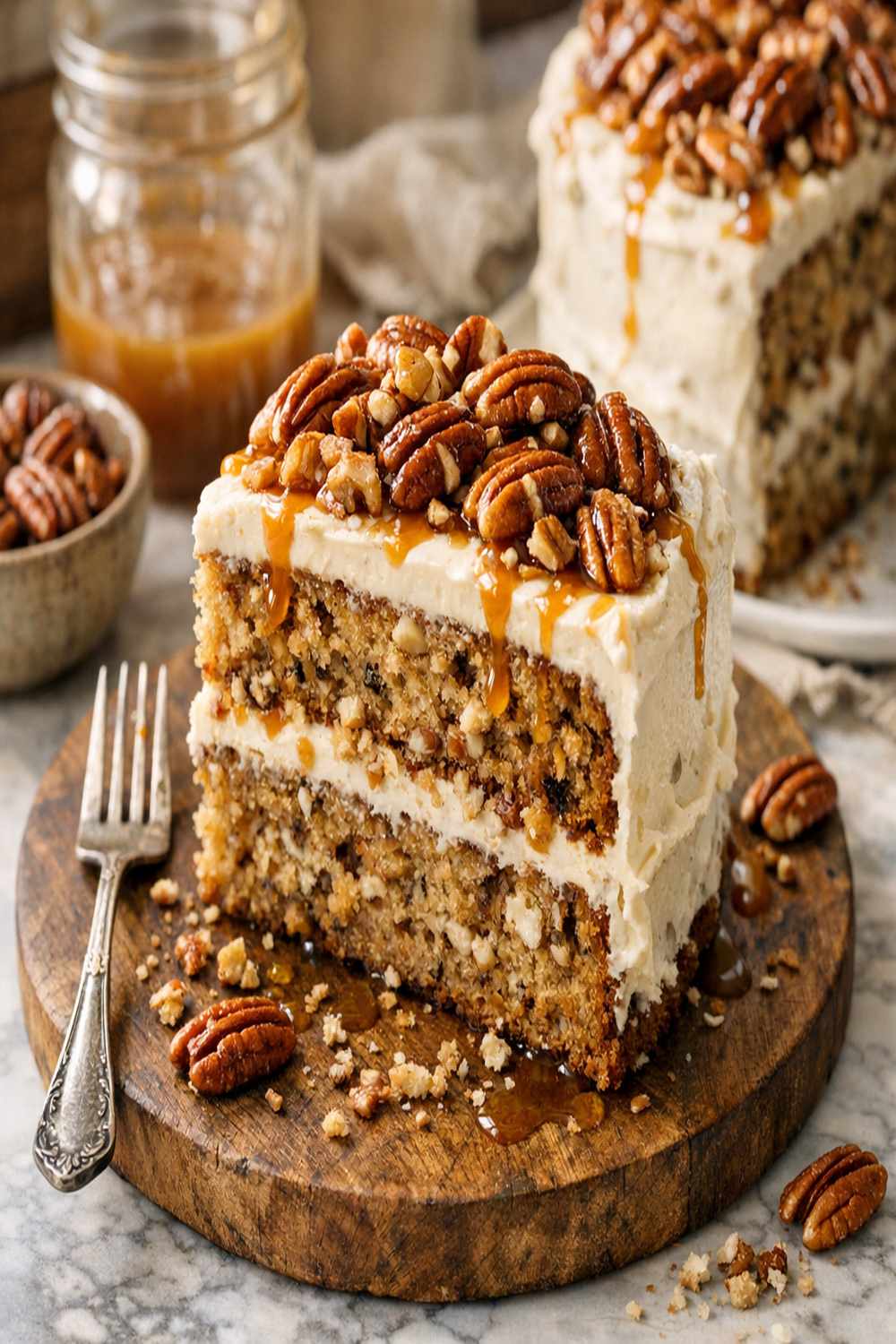
- Place your cooled cake on a serving plate or cake board. Spread a generous layer of frosting on top and around the sides. If you prefer a naked cake look, you can leave the sides frosting-free and just top it. Top with pecan halves arranged in a circle, or press finely chopped pecans around the sides for a classic finished look. Chill the frosted cake for at least 30 minutes before serving if your kitchen is warm. This helps the frosting set and makes slicing cleaner.