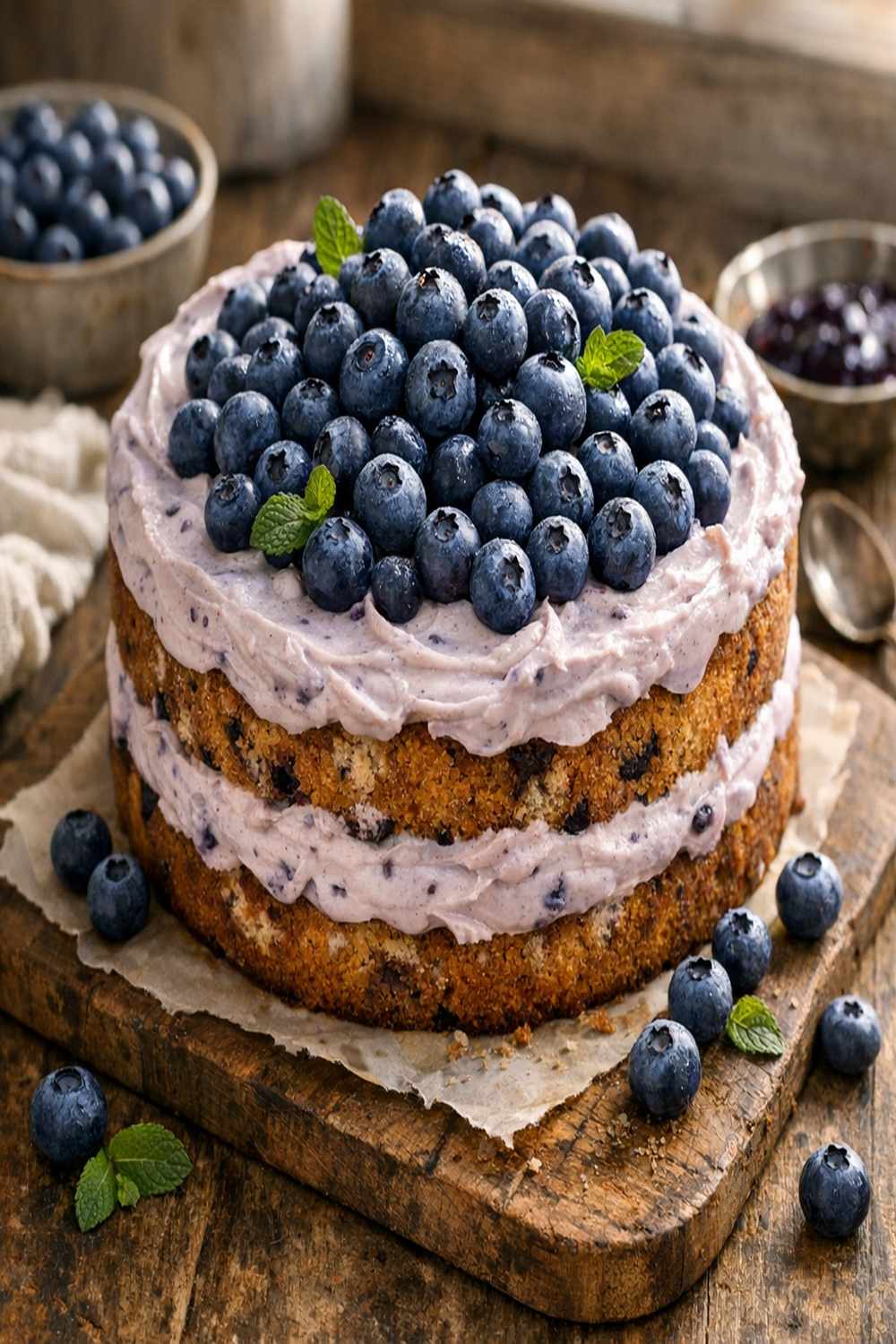

Ingredients
Method
Step 1: Prepare Your Pan and Preheat Your Oven
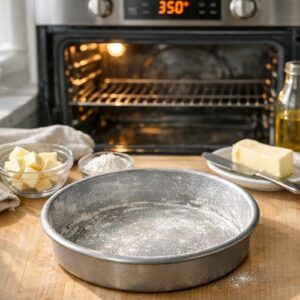
- Set your oven to 350°F and let it fully preheat—this takes about 10-12 minutes and is non-negotiable for even baking. While it's heating, take a 9-inch round or square baking pan and grease it thoroughly with butter or cooking spray, then dust lightly with flour. This costs pennies and prevents sticking far better than commercial pan spray. If you're worried about sticking, place parchment paper on the bottom—one sheet costs less than a dollar and you can reuse it.
Step 2: Cream Your Butter and Sugar (The Foundation)
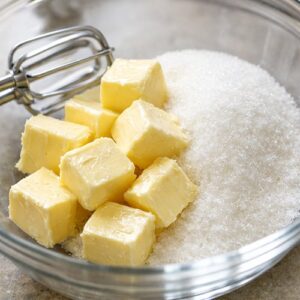
- This step builds the structure of your cake, so don't rush it. Cut your softened butter into roughly 1-inch pieces and place in a mixing bowl with ¾ cup sugar. Using an electric mixer on medium-high speed, beat for 3-4 minutes until the mixture is pale, fluffy, and increased in volume by about a third. You'll notice it transforms from dense and grainy to light and airy. This incorporates tiny air bubbles that help the cake rise—you're literally engineering texture here. This step costs nothing extra but dramatically improves your result. A handheld mixer works perfectly; you don't need a stand mixer. Stop occasionally to scrape down the bowl with a spatula so everything combines evenly.
Step 3: Add Egg Yolks, Salt, and Vanilla
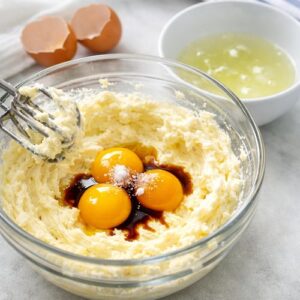
- Separate your 3 eggs, placing yolks in your butter mixture and saving the whites in a separate, completely clean bowl (any fat will prevent them from whipping properly). Add ½ teaspoon salt and 2 teaspoons vanilla extract to the yolks. Beat on medium speed for about 2 minutes until everything is creamy and well combined. The mixture should lighten slightly in color as air incorporates. This is where vanilla makes its presence known—you'll smell the difference between real and imitation here, and it matters in a cake this simple.
Step 4: Combine Dry Ingredients
- In a separate bowl, whisk together 2¼ cups flour and 2 teaspoons baking powder. Whisking them together for about 30 seconds distributes the leavening evenly, preventing dense pockets in your cake. This takes 10 seconds and costs nothing but improves results significantly. Sifting (which some recipes require) is optional for this cake—whisking does the job.
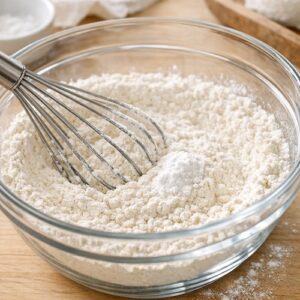
Step 5: Alternate Flour and Milk (The Critical Step)
- This is where technique matters. You're going to add the flour mixture and milk to your egg yolk mixture in alternating additions, starting and ending with flour. This prevents the batter from becoming tough or curdled. Add about one-third of the flour mixture, mix on low speed until just combined (about 20 seconds), then add half the milk, mix briefly, then repeat: another third of flour, then remaining milk, then final third of flour. After each addition, mix only until you see no white streaks of dry ingredients. Overmixing develops gluten and toughens the cake. This sounds fussy but takes maybe 2 minutes total and produces a noticeably more tender crumb. The batter should look smooth and slightly thick, like thick pancake batter.
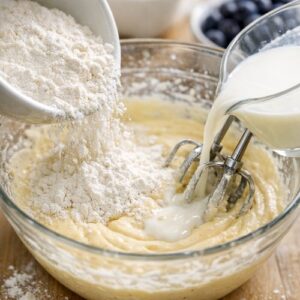
Step 6: Prepare and Fold In the Blueberries
- Toss your 2¼ cups fresh blueberries with 1½ tablespoons flour. This coating prevents berries from sinking to the bottom of the pan—the flour on their surface helps them "grip" the batter as it bakes. It's a simple trick that saves you from ending up with all the berries pooled at the base. Gently fold the floured berries into your batter using a rubber spatula, making about 15 gentle folds until they're evenly distributed but the batter isn't deflated. If using frozen blueberries, thaw them completely and drain excess liquid on paper towels first, or they'll release water and make your cake soggy.
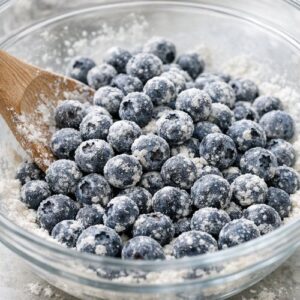
Step 7: Create the Meringue Topping (Your Secret Weapon)
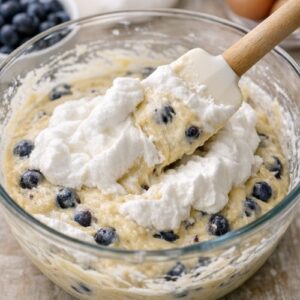
- This is where the magic happens. In your clean bowl with the 3 reserved egg whites, start beating on high speed. After about 2 minutes, you'll see soft peaks form—when you lift the beaters, the peaks flop over. This is your target. Now gradually add ⅓ cup sugar, about 1 tablespoon at a time, while continuing to beat. This takes about 3-4 minutes total. As you add sugar, the meringue transforms from foamy to glossy and stiff—the peaks should stand upright when you lift the beaters. This meringue creates incredible lift and creates a light, almost soufflé-like texture in the finished cake. It's not decoration; it's structure.
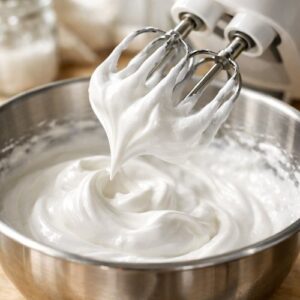
Step 8: Fold in the Meringue and Bake
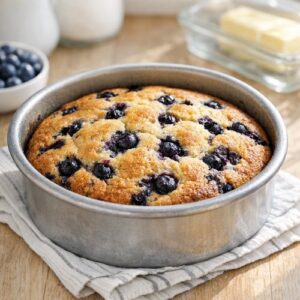
- Here's the gentle touch that separates excellent cakes from dense ones. Using a rubber spatula, gently fold the stiff meringue into your blueberry batter in three additions, rotating your bowl and scraping from the bottom as you fold. You want to maintain as much of those air bubbles as possible. The batter should be smooth and fluffy, not deflated. Pour into your prepared pan and smooth the top with your spatula. Sprinkle the remaining 1½ tablespoons sugar evenly over the top. This creates a subtle sweet crust. Bake at 350°F for 50 minutes, or until a toothpick inserted in the center comes out clean or with just a crumb or two (not wet batter). The cake should be golden brown and a toothpick should not come out with wet batter clinging to it.
Step 9: Cool Properly (This Matters More Than You'd Think)
- Let the cake cool in the pan for exactly 5 minutes. This allows the crumb to set slightly so it doesn't tear when you turn it out. After 5 minutes, run a thin knife around the edges and turn the cake out onto a cooling rack (or a plate if you don't have a rack). Cool completely before serving—about 90 minutes at room temperature. Cutting into a warm cake causes it to crumble; cooled cake cuts cleanly. If you'd like a dusting of powdered sugar, do this right before serving—it adds visual drama and a whisper of sweetness without cost.
Notes
- Buy blueberries in peak season (June through August) and freeze them yourself. Fresh blueberries cost $2-$3 per pint in summer but jump to $6-$8 in winter. Wash, dry completely on paper towels, spread on a sheet tray, freeze solid, then transfer to freezer bags. They work beautifully in this cake and cost a third of the price. You can also check the markdown section at your grocery store—slightly soft berries are perfect for baking.
- Buy eggs by the 18-count or larger, never individual dozens. The price per egg drops significantly. Store-brand large eggs are completely uniform and cost less than premium varieties.
- Splurge on real vanilla extract, but buy the largest bottle available. Real vanilla costs more per ounce than imitation, yes, but one bottle lasts through dozens of recipes. Imitation vanilla tastes chemical in delicate cakes like this one. This is a worthwhile investment.
- Stock your pantry with store-brand flour, sugar, and baking powder when they're on sale. These shelf-stable ingredients store for years. Buying them on BOGO sales means you're actually getting them at half price.
- Avoid pre-sifted flour. It costs more and you don't need it for this recipe. Spoon flour into your measuring cup and level with a knife—exactly as effective and cheaper.