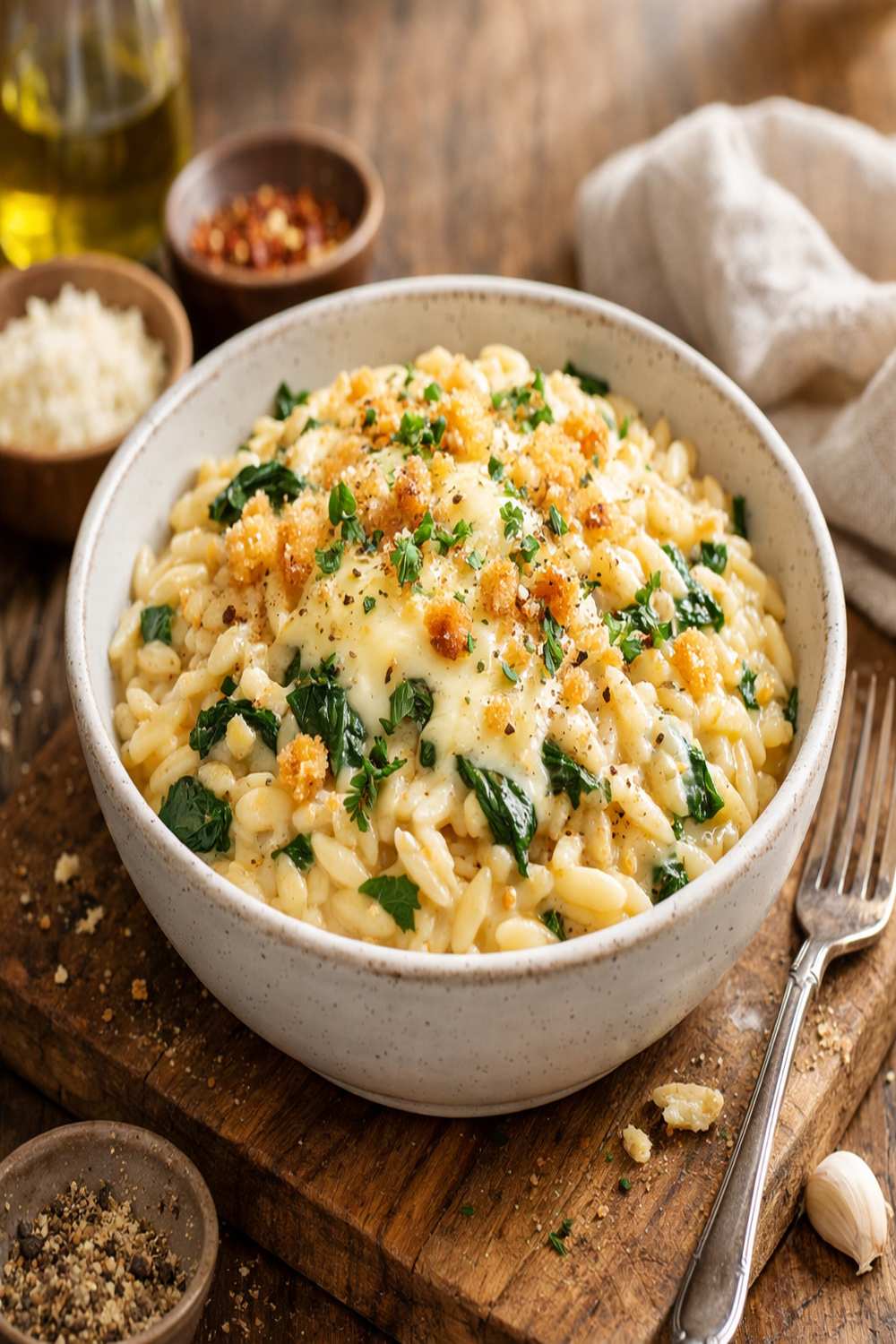

Ingredients
Method
Step 1: Build Your Flavor Foundation With the Aromatics
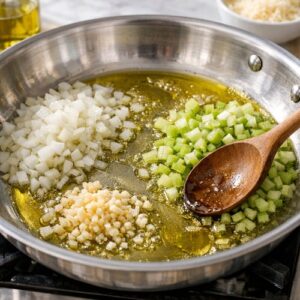
- In a large 12-inch skillet over medium heat, warm about 1½ tablespoons of your olive oil until it's fragrant and just starting to shimmer—you'll know it's ready when you can smell the richness. This is your foundation, and getting it right matters. Add your finely chopped onion to the warm oil and let it cook undisturbed for about a minute. Then stir, encouraging the onion to soften and become translucent. After 2-3 minutes, add your minced garlic and optional garlic powder. Don't let the garlic burn—you want it to become fragrant and release its oils into the oil, which should take just 30-45 seconds of stirring. If you're using frozen garlic, no problem; it thaws instantly in the heat and works just as well as fresh. This step is crucial because you're not just cooking vegetables; you're building the aromatic backbone that makes this dish taste like you've been simmering it for hours. The onion and garlic release compounds that make your taste buds sing.
Step 2: Toast Your Orzo to Unlock Hidden Depth
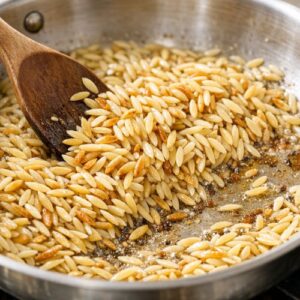
- Now comes the step that most people skip, and it's exactly why they miss out on that depth of flavor. Add your uncooked orzo directly to the pan with the onions and garlic. Stir constantly for 5-7 minutes, allowing the pasta to toast slightly in the oil. You'll notice the orzo turning from pale white to golden, and you'll smell something nutty and wonderful emerging. This isn't wasting time; this is building flavor. The toasting process helps seal the outside of the pasta slightly, which means it won't turn mushy when you add the broth. It also develops complex flavors through a process called the Maillard reaction—the same chemistry that makes bread brown and delicious. This is professional technique made simple.
Step 3: Add Your Broth and Bring to a Gentle Boil
- Pour your 4 cups of broth (whether it's homemade, store-bought, or from your freezer) into the skillet with the toasted orzo and aromatics. Give it all a good stir, making sure nothing is sticking to the bottom. Bring the mixture to a full boil over medium-high heat—you'll see it actively bubbling across the surface. Once boiling, immediately reduce your heat to medium-low. This is important: you're transitioning from a vigorous boil to a gentle simmer. Cover your skillet with a lid (even a baking sheet works in a pinch) and let it cook undisturbed for 15-20 minutes. The orzo will absorb the broth gradually, creating a creamy consistency without any cream yet. Stir occasionally—about every 5 minutes—to prevent sticking on the bottom. You'll know it's done when the liquid is almost completely absorbed and the orzo is tender but still has a slight firmness when you bite into it. That firmness is "al dente," and it's the difference between good pasta and great pasta.

Step 4: Finish With Cream and Cheese—The Transformation Complete
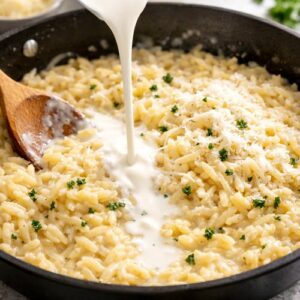
- Remove your skillet from the heat (the residual warmth is your friend here). Pour in your cream—whether it's heavy whipping cream, half-and-half, or whole milk if that's what you have. Add your freshly grated Parmesan cheese. Stir gently but thoroughly, making sure the cheese melts completely and incorporates evenly. The residual heat will melt the cheese and warm the cream without boiling, which prevents curdling. Taste your creation. This is your moment to adjust the seasoning. Add a pinch more salt if needed (remember, broths vary in sodium content), and grind fresh black pepper generously over the top. More black pepper than you think you need is the right amount—it brightens the creamy, cheesy richness beautifully.
Step 5: Garnish and Serve Immediately
- Transfer your creamy cheesy orzo to serving bowls while it's still warm. Top each portion with fresh chopped parsley (or basil, chives, or whatever fresh herb you have), an extra shower of Parmesan cheese, and a drizzle of that good olive oil you saved. The olive oil on top adds richness and helps the cheese shine. Serve immediately, while the orzo is at peak creaminess and warmth. This dish is best enjoyed fresh from the skillet, though it certainly keeps well for leftovers if you have any.
Notes
- Using pre-shredded Parmesan cheese - I know it's convenient, but those anti-caking agents prevent smooth melting and create a gritty texture. Spend two minutes grating a block of cheese fresh. Your taste buds will thank you. This is one place where quality genuinely matters.
- Skipping the toasting step with the uncooked orzo - I understand the urge to rush, but those 5-7 minutes of toasting are what separate "nice pasta" from "why does this taste like a restaurant made it?" The nutty depth comes from this step alone.
- Boiling too vigorously after adding the broth - Keep it at a gentle simmer. Aggressive boiling causes uneven cooking and can make the orzo mushy on the outside while still firm on the inside. Medium-low is your sweet spot.
- Adding the cream and cheese while the mixture is still boiling - This is how you end up with broken, curdled cream instead of a silky sauce. Remove from heat first, then add your dairy and cheese to residual warmth.